
Dog Drinking a Lot of Water? Is It Normal?
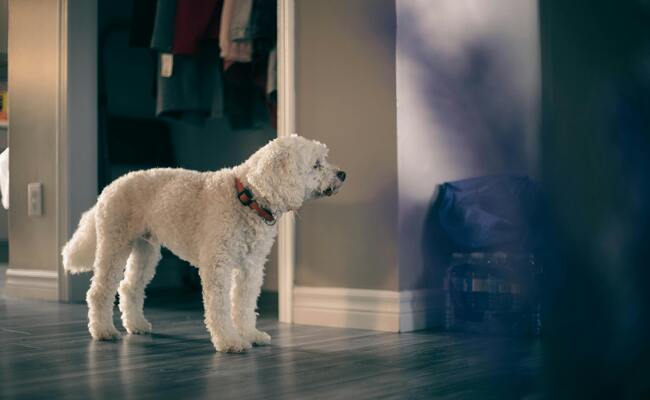
You fill the bowl. Twenty minutes later, it is empty again. A dog drinking a lot of water is one of the top reasons pet owners call their vets. Sometimes it is harmless. Sometimes it is the first clue to a hidden illness.
In this article, we will discuss why a dog drinks too much water and how to determine if it is normal. We will also explain what to do if the dog is drinking a lot of water and how to monitor it.
Key Takeaways:
- Normal water intake is about 1 ounce per pound of body weight daily
- Drinking more than 1.5 times the normal amount is considered excessive
- Never restrict water unless your vet tells you to do so
- Excessive thirst + increased urination = call your vet soon
- Early detection of medical causes can save your dog's life
Why Is My Dog Drinking a Lot of Water?
Normal causes include hot weather, increased exercise, and dietary changes. Dogs pant to cool down, losing water through evaporation. If you recently switched from wet food to dry kibble, expect increased thirst. Dry food has only 10 percent moisture versus 80 percent in canned food. Puppies, nursing mothers, and senior dogs also drink more than healthy adults.
Medical causes are more concerning and require a vet visit. Common conditions include kidney disease, diabetes mellitus, and Cushing's disease. Kidney disease prevents proper waste filtration. Diabetes causes high blood sugar, and the body flushes it out through frequent urination. Other causes include urinary tract infections, liver disease, and pyometra. Certain medications, like prednisone, also increase thirst.
How Much Water Should a Dog Drink Daily?
The general rule for normal water intake is about one ounce of water per pound of body weight each day. A 10-pound dog needs roughly 10 ounces daily (a little over one cup). A 50-pound dog needs about 50 ounces (around six cups). A 70-pound dog needs approximately eight and a half cups daily. These are general guidelines, not strict rules. Some healthy dogs drink slightly more or less, and that is perfectly fine.
Excessive thirst is medically defined as drinking more than 1.6 ounces per pound of body weight daily. For example, a 22-pound dog drinking more than 35 ounces (about 4 cups) per day is drinking excessively. When excessive drinking is paired with increased urination, it forms a classic symptom pair that veterinarians take very seriously.
The most important thing is knowing what is normal for your specific dog. A dog who usually drinks 2 cups daily, suddenly drinking 6 cups is a red flag, even if 6 cups falls within the "normal" range for their weight.
What Should You Do If Your Dog Keeps Drinking Too Much Water?
First, do not panic, but do not ignore it either. Many owners assume increased thirst is nothing serious, especially if their dog acts normal. This assumption can delay diagnosis of treatable conditions.
- The first step is to measure actual intake instead of guessing. Fill the bowl with a measured amount of water each morning. Measure what remains at night. Do this for three to five days to get an accurate average.
- Second, rule out normal causes before assuming the worst. Has the weather been unusually hot? Did you increase exercise? Did you switch from wet to dry food? Also, review any medications your dog takes. Common culprits like steroids and anti-seizure drugs frequently cause increased thirst. If a medication is the cause, do not stop giving it. Talk to your vet about whether the benefits outweigh this side effect.
- Third, if excessive thirst lasts more than 48 hours without an obvious cause, schedule a vet appointment. Before you go, collect a fresh urine sample if possible. Do not restrict your dog's water access, even if they are having accidents in the house. Restricting water can worsen underlying conditions and cause dangerous dehydration.
When to Go to the Vet for Excessive Thirst in Dogs?
Some situations require immediate veterinary attention. Seek emergency care immediately if excessive thirst is accompanied by vomiting, diarrhea, lethargy, weakness, loss of appetite, severe panting, difficulty breathing, stumbling, collapse, seizures, blood in the urine, straining to urinate, or pale, sticky gums. These combinations can indicate serious conditions like kidney failure or diabetic ketoacidosis.
Schedule a regular appointment if excessive thirst lasts more than 48 hours with no clear cause. Also, make an appointment if your dog is urinating more frequently, having accidents in the house, losing weight, drinking more at night, or if the thirst started after a new medication. Your vet will perform blood work and a urinalysis to check kidney function, blood sugar, and liver enzymes. Most conditions that cause excessive thirst are manageable with early detection, so do not delay.
How to Monitor Your Dog's Water Intake at Home?
Tracking your dog's drinking habits is simpler than most people think. Consistent monitoring helps you spot problems early before they become emergencies.
-
Use a measured water bowl: Fill your dog's bowl with a measured amount of water each morning. Use a measuring cup or mark the bowl with permanent marker lines. At night, measure how much water remains. Subtract to find the daily intake.
-
Separate bowls for multiple dogs: If you have more than one pet, provide separate water bowls in different rooms. This allows you to track each dog's individual intake accurately without guessing who drank what.
-
Record intake for one week: Write down daily water consumption for at least seven consecutive days. Note any factors that could affect thirst, such as hot weather, increased exercise, or diet changes. This establishes your dog's normal baseline.
-
Watch for sudden changes: A gradual increase over months may be harder to notice than a sudden spike. Compare weekly averages to spot trends. Any sustained increase above 1.6 ounces per pound daily warrants a vet visit.
-
Check for other signs: While monitoring water intake, also observe urination frequency. Does your dog need to go out more often? Are there accidents in the house? Is urine color or odor different? These details help your veterinarian diagnose the cause.
-
Use a security camera: Pet owners can consider the Reolink E1 Zoom security camera. This 4K 8MP camera features person, pet, and crying detection with auto tracking. The 3x optical zoom provides clear images from across the room. Place it near your dog's water bowl to check drinking habits remotely from your smartphone anytime.

PTZ Wireless Smart Home Camera
Smart, Powerful and Affordable All-Round Home Protection. 355° Pan and 50° Tilt; 4K Ultra HD, 3X Optical Zoom, Two-Way Audio, 2.4/5 GHz WiFi, with Google Assistant Integration.
FAQs
Do dogs drink a lot of water before they pass?
Yes, increased thirst can occur in a dog's final days due to organ shutdown, but this is not true for all dogs. Always consult your vet rather than assuming the worst.
Should I be concerned if my dog is drinking a lot of water?
Yes, persistent excessive thirst should be evaluated by a veterinarian to rule out serious conditions like kidney disease, diabetes, or Cushing's disease.
Why is my dog drinking so much water but acting normal?
Some medical conditions, like early kidney disease or diabetes, show only increased thirst at first. Schedule a vet visit even if your dog seems otherwise healthy.
What is considered excessive drinking for dogs?
Drinking more than 1.6 ounces of water per pound of body weight daily is considered excessive. For a 22-pound dog, that means over 4 cups per day.
Conclusion
A dog drinking a lot of water is one of those quiet signals that something may be off. Do not dismiss it as nothing. Do not panic either. Just measure, monitor, and call your vet when something feels off. Drinking 1 ounce per pound of body weight daily is normal, but it should not exceed 1.6 ounces per pound daily; it is an alarming situation. Monitor the dog's water intake, urination, and other habits, and consult a vet.
Search
Subscribe for the Latest Updates
Security insights & offers right into your inbox