
Does Renters Insurance Cover Storage Units? Full Guide (2026)
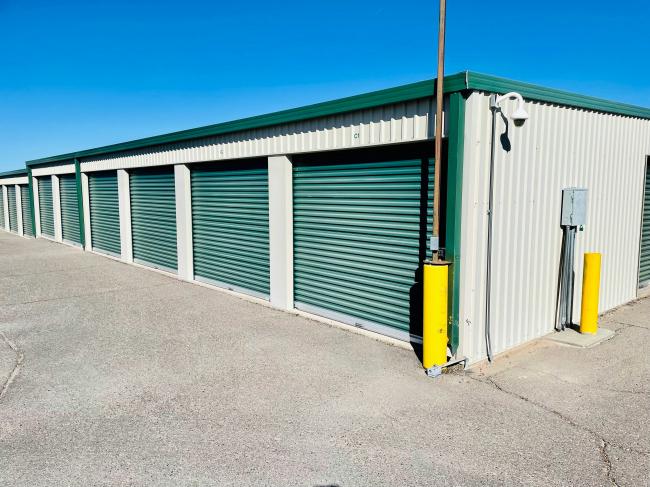
Renters insurance covers storage units in many situations according to the policy terms. The policy protects all personal items that you place in rented storage spaces. Insurance companies view the storage unit as part of covered property locations.
- Does Renters Insurance Cover Storage Units?
- Does Renters Insurance Cover Rat Damage in Storage Units?
- What Does Renters Insurance Cover in a Storage Unit?
- What Are Coverage Limits for Storage Units?
- Renters Insurance for Storage Unit By Different Companies
- How to File a Claim for Storage Unit Damage or Theft?
- Security Cameras for Storage Unit Protection and Insurance Claims Support
- FAQs
- Conclusion
Does Renters Insurance Cover Storage Units?
Yes — renters insurance can cover items stored in a storage unit, but only for covered risks like theft or fire and subject to your policy limits. You typically still pay for the storage unit itself, and coverage details vary by insurer, so it’s important to review your policy.
-
Proper coverage brings peace of mind during unexpected storage incidents.
-
You benefit from financial protection that matches your specific storage situation.
-
Understanding policy details ensures you choose the right level of coverage.
-
Storage protection works best when you document all stored items carefully.
-
Renters insurance for storage units supports your lifestyle in practical ways.
-
The coverage helps you recover quickly after a covered loss occurs.
Does Renters Insurance Cover Rat Damage in Storage Units?
No, renters insurance does not cover rat damage in storage units at all. Companies treat damage from rats and other pests as a type of gradual harm. They expect storage facility owners to handle pest control in the entire area.
-
Prevention remains the best approach to protect your stored belongings.
-
Regular inspections help you catch rodent activity before major damage occurs.
-
You choose a reputable storage facility with strong pest management practices.
-
This step reduces risks and keeps your items safe from unwanted visitors.
-
Understanding exclusions helps you plan better for long term storage needs.
What Does Renters Insurance Cover in a Storage Unit?
Renters insurance provides several forms of protection for belongings in a storage unit. You learn the details so you understand what help you receive if problems arise. The policy covers your personal property against specific named perils only.
Personal Belongings
The policy covers your everyday items inside the storage unit without issues. This includes furniture clothes books electronics and kitchen supplies that you own. You receive payment toward the cost to repair or replace those things after covered events.
-
Personal belongings protection includes items you use daily in your home.
-
You list all stored possessions to ensure accurate valuation during claims.
-
This documentation speeds up the reimbursement process significantly.
-
Everyday items gain the same level of security as items in your apartment.
Theft Protection
Thieves sometimes enter storage facilities and take items from the units. Renters insurance pays you for the value of all stolen belongings. You supply a police report as an important part of the claim process.
-
Theft coverage activates once you prove forced entry into the unit.
-
You install additional locks or alarms to strengthen your security measures.
-
This extra step often qualifies you for better insurance rates overall.
-
Prompt reporting helps investigators recover your property more effectively.
Fire and Smoke Damage
Fire can break out in a storage complex or spread from nearby areas. The insurance helps cover the cost to replace items ruined by flames or smoke. Smoke damage often affects items even when flames never reach them directly.
-
You keep important documents in fireproof containers for added safety.
-
This practice minimizes total loss during a storage facility fire event.
-
Fire protection gives you confidence when storing valuable family heirlooms.
Water Damage from Sudden Events
Sudden water problems such as a broken pipe inside the facility fall under coverage. The policy does not pay for floods from outside the building. It also excludes slow leaks that develop over many weeks.
-
You inspect pipes and seals regularly to prevent sudden water issues.
-
This maintenance reduces the chance of unexpected water damage claims.
-
Sudden water coverage protects against bursts that happen without warning.
Vandalism
People sometimes damage storage units on purpose in different ways. Renters insurance includes protection against losses from acts of vandalism. You check your specific policy because some plans add or remove certain coverages.
-
Vandalism claims require proof of intentional damage to your unit.
-
You photograph the exterior of your unit before storing valuable items.
-
This evidence strengthens your position during the claims review process.
What Are Coverage Limits for Storage Units?
Coverage limits for storage units follow the total personal property limit in your policy. Items in storage count against that overall amount usually. Some companies set a separate lower limit such as ten percent of the total.
-
You calculate the value of all stored items before selecting your coverage amount.
-
This step prevents underinsurance during a major storage loss event.
-
Understanding limits helps you avoid financial gaps in your protection plan.
-
You discuss increasing your personal property limit with your agent if needed.
Renters Insurance for Storage Unit By Different Companies
Insurance companies set their own rules for how renters insurance works with storage units. You compare plans from different providers to match your needs and budget. Each company offers unique features that suit different storage situations.
State Farm
State Farm includes coverage for personal property in storage units as part of standard renters insurance. Customers work with local agents to adjust limits and add features that fit their stored items. State Farm agents provide personalized advice for your specific storage needs.
-
You schedule a meeting to review your current policy details thoroughly.
-
This approach helps you maximize protection for valuable stored possessions.
USAA
USAA provides renters insurance with storage protection for eligible members only. The plans offer clear terms for off-site belongings and strong customer support during claims. USAA delivers excellent service to military families and their relatives.
-
You contact USAA directly to confirm your eligibility for this coverage.
-
Their support team assists you throughout the entire claims process efficiently.
Progressive
Progressive offers renters insurance that extends to storage units without extra cost. The company provides online tools that let you manage your policy and review storage coverage details easily. Progressive makes policy management simple through their digital platform.
-
You track your coverage changes directly from your mobile device anytime.
-
This convenience saves you time when handling storage insurance matters.
Lemonade
Lemonade handles renters insurance through a digital system that works fast. Their policies cover items in storage units and process related claims in a short time. Lemonade uses technology to speed up the entire claims experience.
-
You submit photos and documents through their easy mobile application.
-
This modern approach delivers quick payments after covered storage losses.
How to File a Claim for Storage Unit Damage or Theft?
You can follow a clear process to file a claim after damage or theft affects your storage unit. The steps help the insurance company review your situation and issue payment. Timely action increases your chances of receiving full compensation quickly.
Gather Evidence Right Away
You can take clear photos of the damage or empty space from theft right away. Also, you can write a complete list of all affected items with their estimated values. Evidence collection starts immediately after you discover the problem.
-
You note dates and times of all relevant events accurately.
-
This record supports your claim during the insurance review process.
Report the Problem to the Right People
You need to notify the storage facility manager as soon as you discover the issue. You can call the police to file a report if theft or vandalism occurred. Facility notification creates an official record of the incident.
-
Police reports provide important documentation for insurance adjusters.
-
You keep copies of every report you file for your records.
Contact Your Insurance Company
You have to call the claims department using the number on your policy or use the company app. You can give them your policy number and a short description of what happened. Early contact allows the company to begin their investigation promptly.
-
You answer initial questions to help start the claims process.
-
This step sets clear expectations for the timeline ahead.
Submit the Claim Forms and Documents
You need to fill out the required claim form without any delay in the process. You can send the photos item list police report and any other papers the adjuster requests. Complete documentation speeds up the approval of your claim.
-
You organize all papers in one folder for easy reference.
-
This organization prevents delays during the review period.
Cooperate with the Claims Adjuster
You need to answer questions from the adjuster and provide more information if needed during review. You can stay available during the entire review period for your claim. Cooperation builds trust with the insurance company team.
-
You respond to requests within the required time frames.
-
This behavior helps resolve your claim faster and more fairly.
Receive the Payment Decision
You will have to get the settlement offer from the company after they complete their review. You can accept the amount or discuss it if the figure seems too low. You review the offer details carefully before responding.
-
Negotiation remains possible when the initial amount appears insufficient.
-
You document any additional conversations with the adjuster.
Security Cameras for Storage Unit Protection and Insurance Claims Support
While renters insurance may cover items in a storage unit for risks like theft or fire, it’s important to remember that insurance does not prevent losses—it only reimburses them after the fact. This is where adding a security layer, such as a surveillance camera, can make a real difference in reducing risk and supporting a potential claim.
Many storage facilities already have general surveillance, but coverage is often limited to common areas rather than individual units. For additional peace of mind, renters increasingly use smart security cameras to monitor storage units, especially if they have frequent access or store high-value items.
How Security Cameras Help
A security camera can:
- Deter unauthorized access or theft attempts
- Provide time-stamped video evidence for insurance claims
- Help verify when and how damage or loss occurred
- Offer remote monitoring through mobile apps
When paired with renters insurance, video evidence can help speed up the claims process by clearly documenting incidents.
Recommended Security Cameras for Storage Monitoring
If you want reliable, easy-to-use surveillance for a storage unit, the following options from Reolink are commonly used for their clarity, remote access, and affordability:
Reolink Argus 4 Pro
A wireless, battery-powered camera that supports 4K video and motion detection alerts. It’s suitable for storage units where Wi-Fi access is available or limited setup is needed.
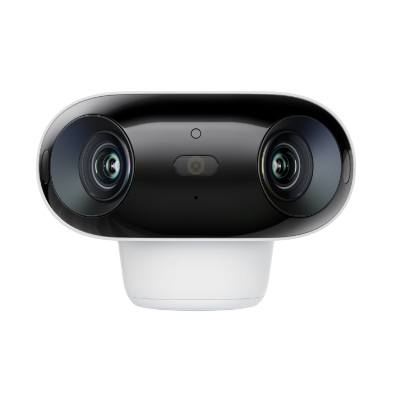
4k 180° Wire-free Color Night Vision Camera
4K UHD 180° Blindspot-free View; Color Vision Day and Night; 30% More Battery Life; Dual-band Wi-Fi 6; Smart detection.
Reolink Go PT Ultra
A 4G LTE-enabled camera that works without Wi-Fi, making it ideal for standalone storage units. It offers pan-and-tilt coverage and remote live viewing via mobile app.
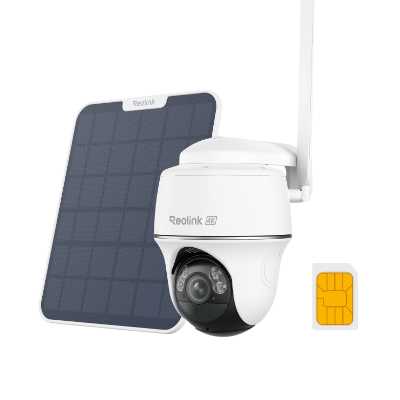
4K 8MP Wire-Free 4G LTE PT Battery Camera
4K 8MP; Smart Detection; 355° Pan & 140° Tilt; Battery/Solar Powered; Color Night Vision; Smart Real-Time Alert.
Reolink E1 Outdoor
A compact smart camera with 360° coverage, designed for monitoring larger areas with clear night vision and app-based control.
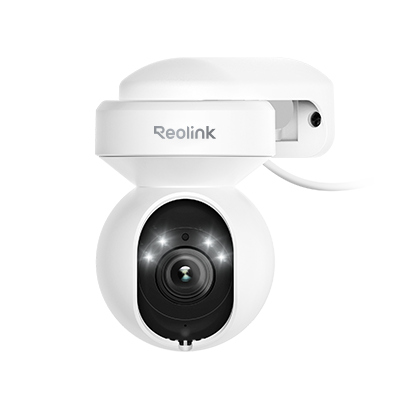
Wireless PTZ WiFi Camera with Spotlights
5MP Super HD, Smart Person/Vehicle Alerts, 355° Pan & 50° Tilt & 3X Optical Zoom, Auto Tracking, Color Night Vision, Two-Way Audio.
FAQs
Can I use my renters insurance for my storage unit?
You can use your renters insurance for your storage unit when the policy terms include off-site property. You confirm the details with your agent before you store valuable items. Off-site coverage protects your belongings in rented storage spaces.
What are three things that renters insurance typically does not cover?
Renters insurance does not cover flood damage from outside water sources at all. It leaves out damage from earthquakes in most states now. The policy also excludes losses from normal wear and tear on belongings.
What type of insurance to get for a storage unit?
You get renters insurance to protect items in a storage unit in most cases. Some renters buy extra coverage directly from the storage facility itself. You can base your choice on the total value of your stored belongings.
Conclusion
Renters insurance offers protection for belongings you keep in storage units every year. You can review your policy each year and talk to your agent about any changes. This practice keeps your coverage current and ready to help if you face loss or damage.
You need to take time to document your stored items and choose a secure facility. These actions support your financial safety over time. Annual reviews help you adjust coverage as your storage needs evolve.
Search
Subscribe for the Latest Updates
Security insights & offers right into your inbox