
Does Renters Insurance Cover Fire Damage? (2026 Guide)
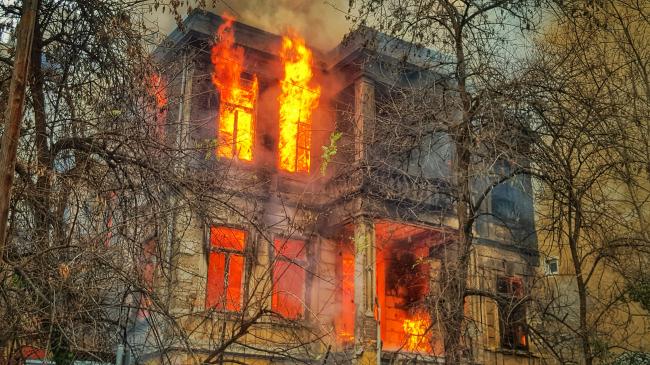
Yes, renters insurance usually covers fire damage when a covered fire damages your belongings. It can also cover extra living costs, liability claims, smoke damage, and soot damage.
Renters insurance fire damage coverage mainly protects the items that you personally own. It does not cover the building, because the landlord needs separate property insurance.
- Does Renters Insurance Cover Fire Damage?
- What Fire Damage Does Renters Insurance Cover?
- What Fire Damage Is NOT Covered?
- How Much Does Renters Insurance Pay for Fire Damage?
- How to File a Renters Insurance Claim for Fire Damage?
- Fire Prevention Tips and How to Protect Against Fire Losses
- How Security Cameras Can Help With Renters Insurance Fire Damage Claims?
- FAQs
- Conclusion
Does Renters Insurance Cover Fire Damage?
Yes, renters insurance covers fire damage in many common and accidental fire situations. A covered fire may damage clothing, furniture, electronics, bedding, dishes, or small appliances. Kitchen fires, electrical fires, and candle fires often fall under covered fire losses. The policy may help repair or replace your belongings, up to policy limits.
What Fire Damage Does Renters Insurance Cover?
Renters insurance can cover several losses after a covered fire damages your home. The exact payment depends on policy limits, deductibles, fire cause, and coverage type. Actual cash value and replacement cost coverage can lead to different claim payments.
Personal Property Coverage
Personal property coverage helps pay for belongings damaged or destroyed by a covered fire. Covered items may include clothing, furniture, laptops, phones, televisions, bedding, dishes, and decor. It may also cover small appliances and other household items you personally own.
For example, a fire may destroy your sofa, mattress, and work computer at home. Your insurer may pay to repair or replace those items within policy limits. You usually need proof of ownership, value, damage, and purchase details for items.
Additional Living Expenses (ALE)
Additional living expenses coverage helps when fire damage makes your rented home unsafe. It can pay extra costs while you live somewhere else during needed repairs. This coverage usually does not pay normal rent unless your policy says so. It mainly covers costs that go beyond your usual daily spending after displacement.
Common ALE costs include hotels, short-term rentals, meals, laundry, pet boarding, and travel. It may also cover added transportation when you must travel farther than usual. You should keep receipts because insurers usually require proof for these added costs.
-
ALE has limits, so your policy may set a clear dollar limit too.
-
Some policies also set a time limit for this type of coverage after loss.
Liability Protection
Liability protection helps when you accidentally cause a fire that harms other people. It can cover damage to another person's property after an accidental apartment fire. It may also cover medical bills, settlements, and legal defense costs after claims.
-
Liability coverage does not protect you when you cause a fire on purpose.
-
It may also exclude some business-related losses, illegal acts, and special claims under terms.
Smoke and Soot Damage
Renters insurance often covers smoke and soot damage from a covered apartment fire. Smoke can damage clothing, curtains, furniture, electronics, walls, carpets, and stored items badly. This damage can happen even when flames never touch those personal belongings directly.
-
Take photos of smoke and soot damage before you throw damaged items away.
-
Your insurer may ask to inspect items or review cleaning cost estimates first.
What Fire Damage Is NOT Covered?
Renters insurance does not cover every fire loss or every related expense you face. Policy exclusions and special limits can reduce payment or block payment completely after review. You should understand these limits before you need to file a fire claim.
Intentional Damage or Arson
Renters insurance does not cover fire damage that you cause on purpose intentionally. If you intentionally start a fire, the insurer can deny the claim completely. This includes fires set to your belongings, rental unit, or another person's property.
Arson may also lead to criminal charges under state and local laws afterward. Insurance protects sudden and accidental losses, not planned or dishonest fire damage by renters.
High-Value Items Above Limits
Renters insurance may cover costly items, but special limits often apply to them. These items can include jewelry, watches, art, collectibles, cameras, musical instruments, and gear. A policy may have $30,000 in personal property coverage for general fire losses.
Yet it may cover jewelry only up to a much smaller amount overall. If fire destroys items above those limits, full payment may not happen later.
-
You can ask your insurer about scheduled personal property coverage for costly items.
-
This add-on can give higher limits for listed belongings and valuable personal property.
Lack of Maintenance
Some fire claims may face problems when poor maintenance plays a major role. Unsafe use or ignored hazards may also lead to a closer claim review. The result depends on the facts, policy wording, and cause of the fire.
For example, someone may ignore unsafe wiring or overload outlets after clear warnings. Someone may also keep using damaged heating equipment after clear warning signs appear. In those cases, the insurer may review the claim more closely before payment.
-
Renters should report unsafe building conditions to the landlord in writing promptly and clearly.
-
They should also keep copies of emails, letters, reports, and repair requests safely.
How Much Does Renters Insurance Pay for Fire Damage?
Renters insurance pays based on limits, deductible, coverage type, and item value records. If your property limit is $25,000, that limit controls the claim amount paid. If your deductible is $500, the insurer subtracts it from covered claim payment.
Actual cash value coverage pays the used value after age and normal wear. Replacement cost coverage usually pays more because it reflects new similar items today.
Some insurers first pay actual cash value before you replace the damaged item. Then they may pay the remaining amount after you provide proof of replacement.
How to File a Renters Insurance Claim for Fire Damage?
You should file a fire damage claim as soon as you safely can. Fast action helps protect your claim and allows quicker damage review by adjusters.
-
First, make sure everyone is safe and call emergency services when needed immediately.
-
Next, contact your landlord and report the fire damage to the rental unit.
-
Then call your insurer or file through its app or website online quickly.
-
Take photos and videos of damaged items, smoke damage, and affected rooms clearly.
-
Make a list of damaged belongings with values and purchase dates included clearly.
-
Save receipts for hotels, meals, clothing, laundry, and other extra living costs too.
-
Do not throw away damaged items until your insurer allows disposal in writing.
-
Ask the claims adjuster what documents they need for the fire damage claim.
-
Review the settlement offer carefully before accepting any claim payment from your insurer.
-
Keep copies of every email, receipt, photo, video, and claim document safely afterward.
Fire Prevention Tips and How to Protect Against Fire Losses
Fire prevention can reduce fire risk and help protect your personal property better. Renters should also prepare for a claim before any fire happens unexpectedly later.
-
Test smoke alarms often, and report broken alarms to your landlord right away.
-
Never leave cooking food unattended, even for a very short time at home.
-
Keep candles away from curtains, bedding, paper, furniture, and other flammable household items.
-
Do not overload outlets, extension cords, power strips, or wall plugs ever again.
-
Replace damaged cords, and stop using hot or sparking devices immediately at home.
-
Keep space heaters away from bedding, rugs, furniture, and loose fabric at all times.
-
Store matches and lighters away from children and other unsafe areas securely indoors.
-
Keep a fire extinguisher in the kitchen if your lease allows it there.
How Security Cameras Can Help With Renters Insurance Fire Damage Claims?
While renters insurance may cover fire damage to your personal belongings, documenting losses is key to a smooth and successful claim process. This is where a security camera system can be especially useful.
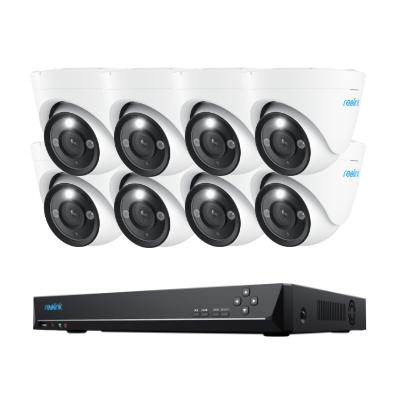
12MP PoE Security System with Color Night Vision
12MP Ultra HD, Person/Vehicle Detection, Power over Ethernet, 16-Channel NVR.
A security camera can provide video evidence of your property before and during a fire incident, helping you verify what items were inside your home and their condition prior to damage. This can support your insurance claim and reduce disputes over lost or damaged belongings.
In some cases, outdoor or indoor security cameras may also capture the moment a fire starts or show how it spread, which can be helpful when determining the cause of the incident.

PTZ Wireless Smart Home Camera
Smart, Powerful and Affordable All-Round Home Protection. 355° Pan and 50° Tilt; 4K Ultra HD, 3X Optical Zoom, Two-Way Audio, 2.4/5 GHz WiFi, with Google Assistant Integration.
Why security cameras matter for renters insurance claims:
- Provide visual proof of personal property before damage
- Help document the timeline of a fire incident
- Support faster and more accurate insurance claims
- Reduce the risk of disputes with insurers
For renters, combining renters insurance with a home security camera system offers an added layer of protection—not only for security but also for peace of mind during emergencies like fire damage.
FAQs
How Does Renters Insurance Work With a Fire?
Renters insurance helps pay for covered losses after fire damages your personal belongings. It may also pay extra living costs when your rental unit becomes unsafe. Liability coverage may help if you accidentally damage another person's property by fire.
What Are Three Things That Renters Insurance Typically Does Not Cover?
Renters insurance typically does not cover the building structure after a fire loss. It also does not cover intentional fire damage or high-value items above limits. Some losses may also fall under specific policy exclusions or claim limits listed.
What Kind of Fire Is Not Covered by Insurance?
A fire you start on purpose is not covered by renters insurance ever. A claim may also be denied for fraud, illegal acts, or excluded causes. The policy wording explains which fire losses the insurer can refuse after review.
Conclusion
Renters insurance usually covers fire damage to belongings, extra living costs, and liability. It may also cover smoke and soot damage from a covered apartment fire. It does not cover the building itself, intentional damage, or every costly item.
Before a fire happens, review your limits, deductible, coverage type, and policy exclusions. A clear home inventory and safe habits can help after fire damage occurs. The right renters insurance can also make recovery easier after serious fire loss.
Search
Subscribe for the Latest Updates
Security insights & offers right into your inbox