
Does It Snow In Australia? When and Where to Find
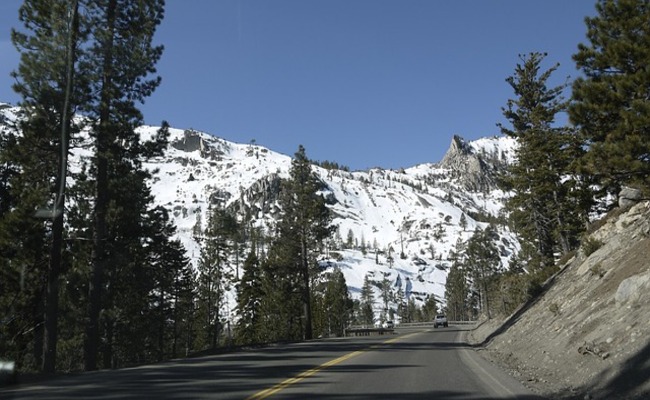
Yes, Australia experiences snow in the Alpine and mountainous regions. Snow falls in winter, but the coverage varies due to different weather conditions. If you are planning to see the snow, you should know where it snows in Australia.
This article highlights the top snowy destinations in Australia, helping travelers find the best place for hiking, skiing, snow runs, and other activities as per their plan.
Does It Snow In Australia? When To See?
Yes, it does snow in Australia, but only in limited locations for a specific period of time. The snow season occurs during the Australian Winters from June to September when the temperature drops in high altitude regions. Heavy Snow usually appears in the Australian Alps and in the highlands of Tasmania.
The areas with high altitudes receive snow every year during the Winter season. However, this snowfall is not constant in low-lying areas, cities, or coastal regions of the country. Even in the alpine regions, snow falls every year, but the thickness, coverage, and duration vary according to the weather conditions.
Where Does It Snow In Australia?
1) Mount Hotham
Mount Hotham is located in Victoria's Alpine National Park, between New South Wales and the Melbourne border. Its deep snow and steep slope make it popular as the "Powder Capital of Australia." This resort especially attracts the advanced snowboarders and skiers for the challenging runs, while offering snowshoe trails for peaceful surroundings.
2) Kosciszko National Park
Kosciuszko National Park across southern New South Wales offers a raw winter landscape when snow settles across its highlands. This park is famous because of the country's highest peak, Mount Kosciuszko. In winter, this park reshapes itself with thick snow and becomes a peaceful cross-country skiing and photography place.
3) Blue Mountains
Located West of Sydney, the Blue Mountains experience heavy snow only once in a while, making winter visits memorable. However, the occasional Winter snow transforms the mountains into a mist-filled and quiet landscape. Travelers enjoy the crisp hikes and scenic viewpoints at the Blue Mountains instead of skiing or other snow sports.
4) Mount Wallington
Mount Wallington, located outside Hobart in Tasmania, is also famous for catching heavy winter snow. In winter, the peak of the mountain is covered with snow while the lower city streets remain clear, offering visitors a dramatic scenic view for photography. Interestingly, Mount Wallington is known for sudden weather shifts, making each visit feel completely different.
5) Corin Forest Mountain Resort
Corin Forest Mountain Resort is located near Canberra in the ACT, famous for its fun-filled winter outings. This place is perfect for families or travelers who wish to explore non-skiing and beginner-friendly activities. Winter in this resort brings snow play zones, toboggan runs, and other simple guided games for first-time visitors.
6) Bluff Knoll
Bluff Knoll is located in Western Australia in the Stirling Range National Park. It is the highest peak in the area and one of the rare spots in the states to see winter snow. These mountains offer challenging but rewarding hiking on rocky trails. In winter, the snow covers the mountain and wildlife animals like kangaroos or birds, offering a panoramic view against the white background.
Tips For Planning A Snow Trip In Australia
- Schedule your trip between late June and August, as these months offer the most reliable and consistent snowfall in New South Wales, Tasmania, and Victoria.
- Plan and book your accommodation earlier, as the snow months are the busiest travel months. Hotels, lodges, and ski resorts frequently fill up weeks ahead.
- Regularly track the current snow forecasts and reports, so you can target the destinations with high snow coverage.
- Pre-purchase the ski passes and activities tickets online to enjoy discounts and avoid standing in lengthy lines.
- Learn the rules for driving in snow-prone regions, especially the need and use of snow chains where enforced.
- Prefer thermal layers instead of heavy clothing, as they provide better insulation and comfort during the fluctuating mountain temperature.
- Choose destinations with easy slopes and beginner-supportive activities, as many alpine areas can be steep and difficult for first-time visitors.
- Borrow or rent the snow gear locally, as it is required for a short time. Purchasing high-quality gear for a single trip can be very expensive.
Travel Safety Tips In Australia
- Share your travel plan in advance with any of your friends or family members, especially when travelling to mountainous or rural areas where mobile connectivity can be unreliable.
- Pay attention to wildlife animal alerts. Wild animals like kangaroos and wombats tend to cross the road during dawn, dusk, and nighttime.
- Make sure to memorize the emergency numbers while traveling. For instance, 000 is the Australian emergency number that connects you to police, fire, and ambulance services.
- Regularly monitor weather or bushfire alerts. Sudden changes in conditions can pose unexpected safety risks and disrupt the travel plan.
- Always prefer suitable footwear designed for hiking or walking in mountainous regions. At such places, uneven surfaces are very common, especially after rain or snow.
- Keep physical and digital copies of your important documents. Having duplicate copies of the passport, ID, and issuance paper can reduce stress and save time if an unexpected situation arises.
- Select a trusted security camera like the Trackmix PoE to keep an eye on your property during travel. It's a 4K PTZ security camera that offers 24/7 reliable performance.
FAQs
1: Does It Snow In Australian Cities?
Snowfall is extremely rare in Australian cities like Melbourne, Sydney, and Brisbane because these cities have very low elevations and mild climates. However, snowfall remains consistent in the Alpine or mountainous regions during the Australian Winter season.
2: How Cold Is Australia In the Winter?
The Australian Winter season varies greatly depending on the location. In Australia, the winter season is cool to cold in the South and mild in the North. The average temperature in the Southern cities ranges between 10°C and 15°C during the daytime, with cold nights. While in Queensland and Northern territories, the temperature remains mild and dry between 20°C and 25°C.
3: Which Part Of Australia Does Snow?
The Southern and Alpine regions in Australia receive snow every year. The Alpine region in New South Wales and Victoria is the home of ski resorts because it receives the most reliable snowfall every year. Tasmania also receives the winter snow in higher elevations, whereas the low-lying or coastal regions remain snow-free.
Conclusion
Careful trip planning is the key when visiting snowy regions. You should know where it snows in Australia and if it suits your needs based on your activities and skill level. For instance, experienced skiers will love to go to Mount Hothama, while beginners will enjoy the most at places like Corin Forest Mountain Resort. Pre-planning and choosing the right location guarantees a safe trip while helping you to avoid too much or too little snow coverage.
Search
Subscribe for the Latest Updates
Security insights & offers right into your inbox