
Do LED Lights Get Hot? Heat Generation Explained
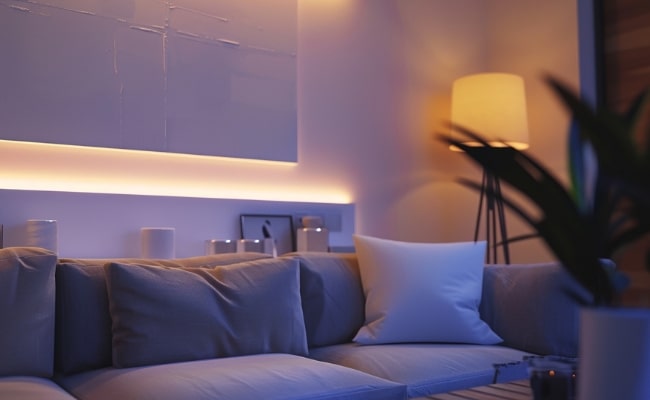
Many people wonder whether LED lights get hot. While significantly cooler than traditional bulbs, LEDs still generate some heat during operation.
In this article, we will explore how hot LED lights get. We will explain the heat generation process and practical cooling solutions.
Do LED Lights Get Hot?
Yes, LED lights do get hot, but they are much cooler compared to traditional incandescent or halogen bulbs.
- Standard household LEDs: Typically operate between 30°C and 60°C (86°F–140°F).
- High-power or commercial LEDs: Can reach up to 80°C (176°F) in the heat sink area.
- LED chips themselves: Usually feel only mildly warm, but heat sinks and drivers can become quite hot.
Why Do LED Lights Get Hot?
The fundamental reason LED lights get hot stems from the laws of physics, no energy conversion process is 100% efficient. Even with their high efficacy, LEDs still produce some waste heat that must be managed. The semiconductor materials themselves have electrical resistance that generates heat when current flows through them.
Several design factors contribute to heat buildup:
- Junction temperature: The tiny semiconductor chips have a limited surface area to dissipate heat
- Driver inefficiencies: Power conversion always creates some waste heat
- Enclosure design: Poor ventilation traps heat around components
- Material choices: Low-quality thermal interface materials hinder heat transfer
- Operating conditions: High ambient temperatures reduce cooling effectiveness
High-power LEDs used in commercial lighting or specialty applications face greater thermal challenges. These may incorporate active cooling solutions like small fans or liquid cooling systems to maintain safe operating temperatures during continuous use.
LED Lights Getting Too Hot? Causes and Risks
LED lights can get too hot if heat is not properly managed, which may reduce performance, shorten lifespan, or even create safety risks.
What Causes LED Lights to Overheat?
- High Wattage or Brightness Settings
- Higher output LEDs generate more heat.
- Using bulbs that exceed fixture limits can lead to overheating.
- Poor Heat Dissipation
- Low-quality or poorly designed fixtures may lack effective heat sinks.
- Enclosed fixtures can trap heat and raise temperatures quickly.
- Inadequate Ventilation
- Limited airflow prevents heat from escaping.
- Common in recessed lighting or tightly sealed fixtures.
- High Ambient Temperature
- Hot environments (e.g., outdoors in summer or near ceilings) increase operating temperature.
- Low-Quality Components
- Cheap LED chips or drivers are less efficient and generate more excess heat.
- Long Continuous Use
- Keeping lights on for extended periods can cause heat buildup over time.
What Are the Risks of Overheating LED Lights?
- Reduced Lifespan: Excess heat can significantly shorten the life of LED components.
- Lower Performance: Brightness may decrease, and light quality can degrade.
- Color Shifts: Overheating can cause the light color to change over time.
- Component Damage: Drivers and internal circuits may fail prematurely.
- Safety Concerns: In extreme cases, overheating can increase the risk of electrical issues.
How to Reduce Heat from LED Lights?
1. Select quality products
Effective thermal management begins with selecting quality LED products featuring:
- Large, finned aluminum heat sinks
- High-efficiency drivers (90 %+ efficiency)
- Thermal interface materials
- Adequate spacing between LEDs in arrays
- Properly rated components for the intended environment
2. Install properly
Installation considerations for reducing heat include:
- Avoid using enclosed fixtures unless specifically rated for it
- Providing adequate air circulation around fixtures
- Using dimmers to reduce power when full brightness isn't needed
- Installing LED strip lights on aluminum channels
- Keeping operating environments as cool as possible
- Following manufacturer guidelines for maximum operating hours
3. Add necessary protections
For existing LED fixtures running too hot, consider:
- Adding supplemental heat sinks
- Improving ventilation around fixtures
- Reducing power input if possible
- Replacing low-quality drivers with more efficient models
- Adding small cooling fans for high-power applications
4. Regular maintenance
Regular maintenance, like cleaning dust from heat sinks and ensuring proper electrical connections, also helps maintain optimal thermal performance over time. Monitoring temperatures with infrared thermometers can identify potential issues before they affect performance or safety.
Security Camera System with LED Lights
Modern security systems demonstrate how LED technology can deliver powerful illumination while managing heat effectively. Two standout examples are the Reolink Argus PT Ultra and Argus Eco Ultra.
Argus PT Ultra
Argus PT Ultra is an energy-efficient battery/solar Wi-Fi security camera system. The camera features efficient LED spotlights that deliver vivid color night vision while minimizing heat output. The precisely calibrated LEDs generate just enough illumination without excessive warmth, protected by advanced thermal management.
The camera offers a 360-degree view through pan and tilt motion. It records exceptional details in 4K (8MP) without leaving any blind spots. At night, it uses dual night vision to capture clear videos.
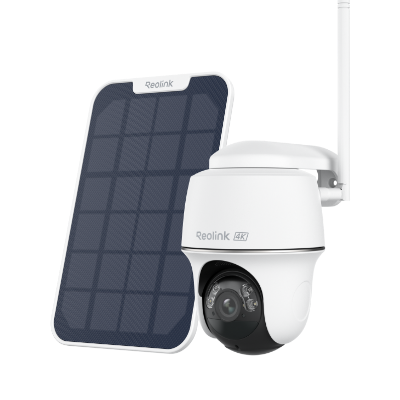
4k 100% Wire-Free PT Camera
4K 8MP Ultra HD; 5GHz/2.4GHz WiFi; Rechargeable Battery & Solar Powered; 355° Pan & 140° Tilt; IP65 Certified Weatherproof; Clear Night Vision; 2-Way Audio; 122° Wide Viewing Angle.
Reolink Duo 3 PoE
If you’re looking for a high-end panoramic security camera, the Reolink Duo 3 PoE stands out as one of the most advanced options for home and business surveillance. The Reolink Duo 3 PoE is one of the best wide-angle security cameras with spotlights available today. It combines ultra-high resolution, full 180° coverage, and smart AI detection, making it perfect for users who want maximum visibility with fewer cameras.
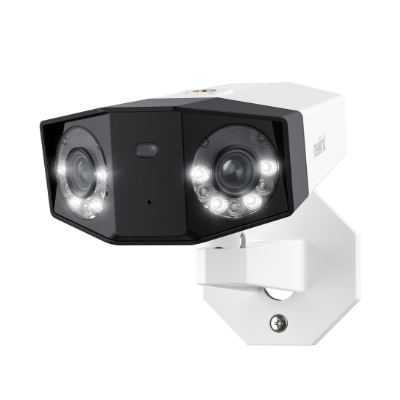
Groundbreaking 16MP Dual-Lens PoE Camera
16MP UHD, Dual-Lens, Motion Track, 180° Wide Viewing Angle, Power over Ethernet, Color Night Vision.
FAQs
1. Is it safe to leave LED lights on all night?
Yes, LED lights are safe for extended use if properly ventilated. They generate minimal heat compared to traditional bulbs.
2. Do LEDs get hot enough to start a fire?
Rarely. Most LED lights stay below combustion temperatures, but faulty wiring or poor-quality units can pose risks.
3. Should LED lights be hot to the touch?
Warmth is normal, but excessive heat indicates poor heat dissipation or overdriving of the LEDs. You should not touch the heat sink as it is hot when the LED is on.
4. Do LED strip lights or Christmas lights get hot?
LED strip lights and Christmas LEDs stay relatively cool, though dense installations may require heat management.
5. Do LED lights get hot enough to melt plastic?
Standard LED lights usually don't get hot enough to melt plastic. However, high-power LEDs in confined spaces might soften nearby plastic over time.
Conclusion
LED lights do get hot, but significantly less than traditional bulbs. Understanding how they generate and dissipate heat allows for smarter usage in homes and security systems. With proper heat management through quality fixtures, adequate ventilation, and moderate operation, LEDs provide efficient, long-lasting illumination without significant thermal concerns.
Search
Subscribe for the Latest Updates
Security insights & offers right into your inbox