
Coldest Place in the UK: Your Guide to Winter’s Coldest Spots
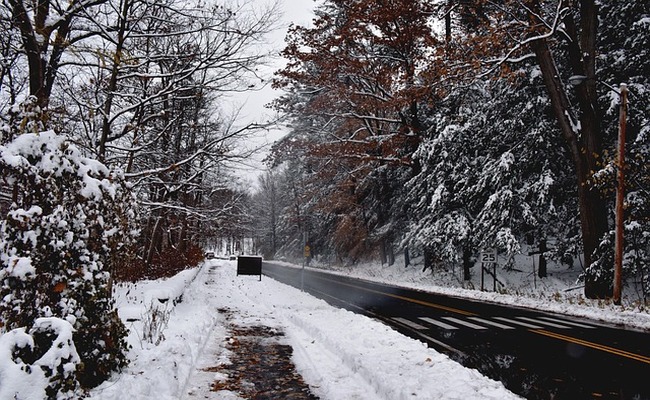
When winter's grip tightens in the UK, one question captures the imagination: where is the coldest place in the UK? The answer lies in the geography of mountain peaks, remote glens, and northern moors, where temperatures plunge to extremes unseen in the bustling south.
In this article, we will share the coldest places in the UK. Using authoritative Met Office data, we will reveal the top places where the temperature goes extremely low and share the secrets behind their bone-chilling records.
Top 10 Coldest Places in the UK
Determining the UK's coldest spots involves analysing long-term temperature minima and historic extremes from official weather stations.
Braemar, Aberdeenshire
This picturesque Highland village is infamous in meteorological history for recording the UK's joint-lowest temperature of -27.2°C. Nestled within the Cairngorms National Park, its location in a deep valley, or "frost hollow," allows cold, dense air to drain and pool efficiently on clear, calm winter nights, creating the perfect conditions for record-breaking lows.
Altnaharra, Sutherland
Sharing the historic -27.2°C record, this remote settlement in the far north of Scotland is a perennial contender. Its profound inland location, distant from the moderating influence of the sea and surrounded by snow-covered mountains, ensures it regularly reports the lowest temperatures in the country during cold snaps.
Cairngorm Mountain (Summit)
As the UK's second-highest peak, the Cairngorm summit exists in a different climatic world. With an altitude exceeding 1,200 metres, it experiences a genuine Arctic climate where temperatures routinely plunge below -20°C and are compounded by ferocious winds, making it the coldest location by annual average temperature.
Aviemore, Cairngorms
The popular tourist town of Aviemore acts as the bustling gateway to the frozen Spey Valley. It endures long, crisp winters with significant snowfall and extended periods where the mercury remains below zero, serving as a reliable basecamp for experiencing the Cairngorms' deep winter chill.
Lochaber, Highlands
The dramatic region encompassing Fort William and Glen Coe is sculpted by ancient glaciers. Its signature deep, U-shaped glens act as perfect natural traps. On still, clear nights, cold air sinks relentlessly into these valleys, creating intense, localized frost pockets that can be dramatically colder than nearby slopes.
Kielder Forest, Northumberland
This vast, man-made forest is England's undisputed cold pole. Geographically isolated in Northumberland and far from the warmth of any coast, its open landscape cools rapidly under clear, starry skies, allowing it to frequently challenge Scottish locations for the UK's lowest nightly temperature.
Redesdale, Northumberland
The rural Met Office station at Redesdale is a consistent star in England's cold weather reports. Its position in the open, upland countryside of Northumberland provides ideal conditions for sharp, radiative cooling, regularly yielding some of the nation's lowest overnight minimums.
Benson, Oxfordshire
Proving that extreme cold isn't solely a northern trait, Benson is a classic and potent "frost hollow." Its specific topography funnels and collects cold drainage air, enabling this southern village to often record lower temperatures than places hundreds of miles further north.
Shap, Cumbria
The village of Shap sits exposed on the high passes of the Pennines. Its considerable altitude and complete lack of shelter make it a magnet for biting Arctic winds, earning it notoriety for brutal wind chills and frequent, disruptive snowfall that blankets the trans-Pennine route.
Spadeadam, Cumbria
Home to a sprawling moorland testing range, Spadeadam's landscape in the Cumbrian borders is open, elevated, and exposed. It experiences a more continental-style climate with notably harsh winters, where temperatures can drop sharply, and cold conditions feel prolonged and intense.
Source: UK Climate Extremes historical station data
Why Are These Places So Cold in the UK?
Three geographical conspirators create the UK's iceboxes. The first are altitude and inland location. Higher ground is colder, losing roughly 1°C per 100 metres. Places far from the sea lack its thermal buffer, allowing land to heat and cool rapidly. This combination in spots like the Cairngorms and Kielder creates a low thermal base that plummets after sunset.
The second factor is topography and air drainage. Valleys and hollows act as natural reservoirs for cold, dense air. On clear, calm nights, this air slides down slopes and pools, a process that can make a valley floor 10°C colder than a nearby hilltop, explaining the records in Braemar and Benson.
Northern latitude and exposure to Arctic winds complete the trifecta, ensuring these areas are first to receive freezing air masses.
Source: Royal Geographical Society and Met Office educational resources
Coldest Month in the UK
Statistically, January is the UK's coldest month on average. This is when the sun is at its weakest, nights are longest, and the country is most susceptible to sustained invasions of polar air. Average temperatures across all regions reach their annual nadir, and frosts are most widespread and persistent throughout this period.
However, the absolute lowest temperatures often occur in February or early March. By late winter, the land has lost any residual warmth from the previous summer. When a high-pressure system brings clear, calm skies, the lack of cloud cover allows heat to radiate unimpeded into space. This creates the perfect setup for the record-breaking lows seen in Braemar and Altnaharra.
Bonus: Cold Winter Security Camera Recommendation
For selecting the right camera for severe weather conditions, you first need to consider the local temperature. According to that, you need to select a camera that can operate in that temperature range.
For exceptional reliability and performance, a PoE camera is the best choice. It can work 24/7 without any effect of temperature. You can also go with battery-powered cameras, but make sure they have long-lasting batteries that can work in extreme cold temperatures.
Altas PT Ultra is an excellent option for the UK's cold weather. It's a battery-powered camera that works in -10°C~55°C (14°F~131°F) and offers a 500-day battery life. It is IP65-rated, which means it is completely weatherproof to work in the rain and snow. It is solar-powered, so it automatically charges with a solar panel. It offers incredible features, including ColorX night vision, 360⁰ automatic tracking, and Wi-Fi 6 support.
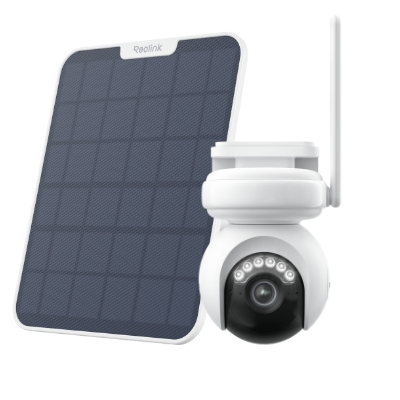
Industry-leading 4K Continuous Recording Battery Camera
4K UHD Continuous Recording; ColorX Night Vision; Pan & Tilt; Automatic Tracking; All Recordings Stored Locally.
FAQs
What is the coldest part of the UK?
The Scottish Highlands, specifically the villages of Braemar and Altnaharra, are the coldest, both having recorded the UK's lowest temperature of -27.2°C.
Which part of the UK has snowfall?
Snow is most frequent and heaviest in northern Scotland, the Pennines, and the Welsh mountains. Coastal and southern areas see less frequent, but not impossible, snowfall.
Does the UK have cold winters?
UK winters are generally mild and wet compared to continental climates. However, they can feel piercingly cold due to dampness, and are punctuated by severe cold spells with significant frost and snow.
Is York colder than Leeds?
Typically, Leeds is slightly colder due to its more inland and elevated position in the Pennine foothills, compared to York's more sheltered location in the Vale of York.
Conclusion
The UK experiences extreme cold in various regions due to its geography. We have shared the top places where the temperature as low as -27°C is recorded. We have also shared the reasons why these areas experience extreme temperatures. Along with the Met Office data, you will get a better idea of how cold these places are.
Search
Subscribe for the Latest Updates
Security insights & offers right into your inbox