
Android vs iOS Security: Which Platform Protects Your Data Better?
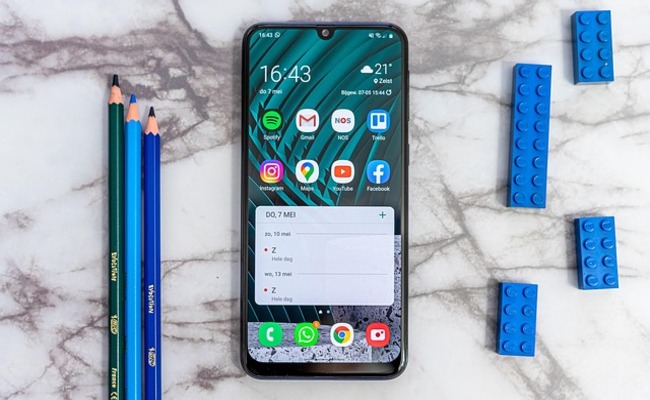
Your phone holds banking details, private conversations, personal photos, and work documents. Therefore, users need to ensure utmost security to prevent privacy breaches and data leakage.
In this article, we will discuss Android vs iOS security. We will compare both platforms and explain how secure they are. We will explain the reasons for their security status and share tips to keep your phone data secure.
Android vs iOS: Highlights of Them
Highlights of iOS Security
iOS security begins with Apple's holistic approach, integrating hardware, software, and services. The company controls every aspect of the user experience. This vertical integration creates security advantages that competitors struggle to match.
Here are the key highlights that define Apple's security posture.
Secure Enclave Hardware Protection: A dedicated coprocessor handles encryption and biometric data. This hardware remains isolated from the main processor. Even if iOS gets compromised, Secure Enclave stays protected. Your face and fingerprint data never leave this secure zone.
Strict App Store Review Process: Every app undergoes human review before reaching users. Apple's guidelines reject malware, spyware, and privacy-violating apps. This walled garden approach blocks most threats before installation. Developers must follow rules or face removal.
Rapid Universal Updates: Updates reach all supported devices at the same time worldwide. No carrier delays or manufacturer hold-ups exist. Security patches protect hundreds of millions within days. This ensures vulnerabilities get fixed before widespread exploitation.
App Tracking Transparency: Apps must ask permission before tracking you across other apps. This feature puts users in control. You decide which apps can follow your digital footprint. Millions have opted out, protecting their privacy.
End-to-End iMessage Encryption: Messages stay encrypted from sender to receiver. Not even Apple holds the keys to decrypt them. This protects conversations from interception. Law enforcement cannot access message content even with warrants.
Highlights of Android Security
Android security takes a democratized approach, emphasizing user choice and control. Modern Android offers robust protection for billions of users.
Google Play Protect AI Scanning: Machine learning scans billions of apps daily for malware behavior. This runs during installation and continues afterward. Suspicious apps get flagged or removed. The system improves as it learns from new threats.
Granular Permission Controls: Grant access exactly how and when you want. Choose "allow only while using the app" for location. Give camera access once for a specific photo. Revoke permissions from apps you no longer trust.
Google Play System Updates: Critical security components update through Google Play. This separates security patches from full OS upgrades. Users receive protection months faster. Even phones stuck on older Android versions get security improvements.
Find My Device Network: Locate lost phones even when offline using a crowd-sourced network. Remote lock and wipe protect data if the phone disappears. Factory reset protection prevents thieves from reselling devices. The network helps millions recover lost devices.
Verified Boot Process: Android checks system integrity every time your phone starts. Tampered software gets detected and blocked. This prevents malware from persisting through reboots. The boot chain remains cryptographically verified at every stage.
iOS vs Android Security: Key Comparison
The iOS vs Android security comparison reveals major differences in approach and execution. Apple's curated App Store rejects thousands of malicious apps before they reach users. Google's open approach allows greater flexibility but increases risk exposure. Studies show malware appears up to 50 times more frequently on Android, depending on research methodology.
Update distribution creates another critical security gap. Apple controls both hardware and software, enabling instant updates worldwide. Even five-year-old iPhones receive the latest security patches. Android's fragmented ecosystem depends on manufacturers and carriers. Flagship phones may wait months for updates while budget devices often receive none.
Hardware security has evolved on both platforms. Apple's Secure Enclave pioneered dedicated security coprocessor technology. Google's Titan M2 matches these capabilities on Pixel devices. However, Android's hardware security varies across manufacturers. This inconsistency means "Android security" depends on which specific phone you buy.
How to Keep Your Phone Secure When Using the Two Systems?
Your habits determine your security more than your platform choice.
- Update compliance remains the most important factor protecting modern smartphones. Enable automatic updates on both iOS and Android.
- Install security patches when they become available. Many exploits target vulnerabilities with patches already available. Users who delay updates remain exposed to known threats.
- App installation discipline separates secure users from compromised ones. Download apps from the official App Store or Google Play Store. Resist the temptation to sideload "free" premium apps from websites.
- Read permission requests before installing anything. Question why a flashlight app needs access to contacts. Remove apps you no longer use.
- Authentication practices determine whether lost phones become security disasters. Use biometric locks combined with strong passcodes. Avoid simple patterns or four-digit codes.
- Enable two-factor authentication on all important accounts. Use password managers to generate and store unique credentials. Consider physical security keys for protecting critical accounts.
Bonus: Security Cameras Compatible with iOS and Android Platforms
Modern security cameras integrate with both major mobile platforms. Whether you use iOS or Android, quality security cameras work with your device.
Trackflex Floodlight Wi-Fi
The Reolink Trackflex Floodlight Wi-Fi is a 4K dual-lens Wi-Fi 6 security camera. You can see two views: a full 4K wide view to capture a wider area and a close-up view with 6X hybrid zoom capability. With its pan-and-tilt motion, it automatically tracks the motion of objects and sends real-time alerts.
It has a Local AI Video Search that lets you easily find the desired event. The 3000-lumen floodlight illuminates a wide area and lets you adjust brightness and color temperature. It offers 24/7 reliable recording and smooth live feed.
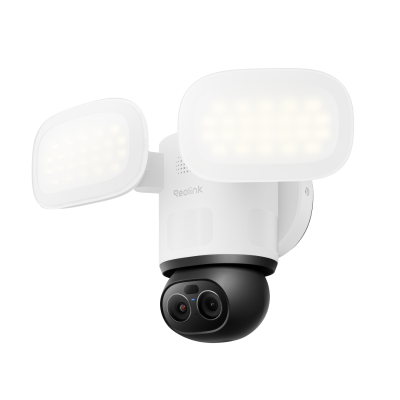
Smart 4K 360° Coverage Wi-Fi Floodlight Security Camera
Local AI Video Search, 4K 8MP Ultra HD, 360° Coverage View, 6X Hybrid Zoom, Dual-Color Floodlight.
FAQs
Is iOS more secure than Android?
iOS generally offers stronger baseline security due to Apple's controlled ecosystem. The closed app store and universal updates protect users against the most common threats.
Which phone is the safest against hackers?
Google Pixel phones with the Titan M2 security chip and iPhones with Secure Enclave rank among the safest. Both receive regular updates and include dedicated hardware security.
Who is more secure, Samsung or Apple?
Apple maintains a slight edge due to faster, more consistent security updates. However, Samsung's flagship devices with Knox offer protection comparable to that of iPhones.
Conclusion
iOS protects through careful curation and ecosystem control. Android protects through transparency and user choice. Both platforms securely serve billions of users when users practice good habits. Your personal discipline matters more than platform choice. Update religiously, download carefully, and think before clicking. We have shared some safety tips to help optimize your device's security.
Search
Subscribe for the Latest Updates
Security insights & offers right into your inbox