


























































































































































Why Does My Cat Lick Me? What It Really Means
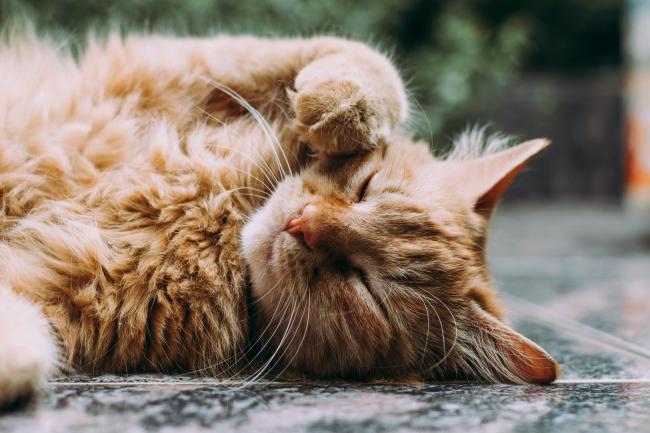
Most cat owners tend to question themselves why is my cat licking me and what is the meaning of cat licking. People also ask themselves why do cats lick you when it occurs to such a great extent.
Cats lick to express affection, groom, get attention, smell, feel comfortable, relieve stress and even just to taste. Depending on timing, body language and the situation you find yourself in generally defines the meaning.
Why Does My Cat Lick Me?
The behavior of cats can be understood better based on everyday habits and patterns of communication. One of these behaviors with meaning is licking; the message may seem easy but it still has a meaning.
Affection and bonding
What it means
The love and attachment to a lowly individual nowadays is one of the causes. Cats tend to groom fellow cats whom they are sure of, particularly their close companions that are living near them.
How it shows
You may find your cat treating you like family today when he/she licks you. This action can demonstrate complacency, trust and feeling of close intimacy nowadays.
Signs to look for
Whenever your cat licks, and remains calm, then that tends to indicate good emotions. The safety of today is often indicated by a low-blinking soft body, purring, calm posture.
Grooming behavior
Natural instinct
Cats spend a large part of each day grooming their own bodies today. Licking helps them clean fur and keep everything smooth and in place today.
Why they lick you
Some cats extend that grooming behavior to people they live with closely today. Your cat may lick your hand, arm, or face during that routine today.
What it does NOT mean
This does not mean your cat thinks you are dirty or unclean today. It usually means grooming is one natural way cats interact with others today.
Marking you with scent
Why scent matters
Cats depend heavily on scent to understand surroundings and feel more secure today. They use scent to read spaces, people, objects, and daily changes nearby today.
What licking does
When your cat licks you, scent may be left behind on skin today. Your cat may also mix your scent with its own familiar scent today.
Emotional meaning
That process can help your cat feel settled, safe, and more comfortable today. In simple terms, your cat may see you as part of safety today. That is why licking often appears after cuddling or resting together quietly today.
Seeking attention
Learned behavior
Some cats learn quickly that licking produces a reaction from their owners. You may speak, pet, or move closer when the licking starts suddenly today.
Reinforcement over time
Over time, your cat may connect licking with attention and interaction itself.
When it happens
If licking happens while you are busy, attention may be the goal today. This often happens when you use your phone or stop engaging directly today.
Comfort or stress relief
Self-soothing behavior
Licking can also help a cat calm down during tense situations sometimes. Some cats lick themselves, blankets, or people when comfort is badly needed.
Why it works
In that case, licking works like a habit that brings soothing relief.
When to pay attention
If your cat licks you after visitors arrive, stress may matter too. The behavior may stay harmless, but frequent stress licking needs closer attention.
Taste or skin residue
Simple explanation
Sometimes the reason is simple and connected to taste on your skin.
What attracts cats
Your skin may taste salty from sweat, food, soap, or lotion residue. A cat may find that taste interesting and start licking repeatedly there.
Common triggers
If licking happens after cooking, exercise, or skincare, taste may explain it.
Why Does My Cat Lick Me then Bite Me?
When a cat licks and then bites, the bite is often mild. It usually works as a signal instead of true aggression or anger. In many cases, grooming or affection starts first, then overstimulation follows next. Some cats have limits for touch, closeness, and ongoing interaction with people.
Why Does My Cat Lick Specific Areas?
Quick explanation
Cats do not always lick random places without a reason or pattern. They often choose areas with strong scent, easy access, or familiar texture.
How to understand it
The chosen area can give useful clues about what your cat feels. That is why meaning may change between your face, hands, fingers, and hair.
Why does my cat lick my face?
Why the face is targeted
Your face carries strong scent and stays close during cuddling or resting. It is also easy to reach when you are lying still nearby. Your cat may also focus there because the area feels warm nearby.
What it means
If your cat licks your face, trust and closeness are likely there. Some cats lick the face as a grooming gesture toward loved people.
Instinct behind it
Mother cats groom kittens around the head and face very often naturally. Because of that, face licking may reflect care and social bonding clearly.
Why does my cat lick my hands or fingers?
Why hands attract licking
Hands and fingers often smell like food, skin oils, lotion, and objects. Your cat may lick them because those smells and tastes seem interesting.
Behavioral reason
Cats also interact with human hands more than other body parts overall. Hands pet them, feed them, and take part in play often daily.
What it means in context
If your cat licks your fingers during calm moments, affection is likely. If it happens near meals, your hands may signal food instead there.
Why does my cat lick my hair?
What attracts cats to hair
Hair can attract cats because it carries strong personal scent and texture. That texture may feel similar to fur and invite grooming behavior naturally.
Grooming instinct
Some cats lick hair as if they are helping clean it gently. They may seem to arrange it the way they groom fur normally.
Other possible factors
Hair products may also matter if the smell draws your cat closer. A liked shampoo or conditioner can attract interest, but grooming remains likeliest..
Is It Safe to Let My Cat Lick Me?
In most cases, occasional licking is safe for healthy adults and cats. A few licks on unbroken skin usually do not cause problems there.
What to avoid
- Still, you should not allow licking on cuts or broken skin directly.
- You should also avoid licking near your mouth to lower germ spread.
Hygiene tips
If licking happens often, washing your skin afterward is a good idea.
Who should be more careful
More care is needed if you have allergies, skin issues, or weakness.
Possible skin effects
A cat’s rough tongue can also irritate sensitive skin with repeated licking.
When Should You Be Concerned If Cats Lick You?
Concern is reasonable when licking becomes excessive, sudden, or hard to stop. That pattern may point to stress, boredom, anxiety, or growing compulsion issues. You should also notice hair loss, skin changes, appetite changes, hiding, or aggression.
Concern also makes sense when licking ends with hard or repeated bites. It also matters if the behavior seems linked to pain or restlessness. A major behavior change should not be ignored without closer attention now. When uncertainty remains, a veterinarian can rule out medical or stress causes.
How to Stop Your Cat from Licking You?
If licking happens only sometimes, stopping it may not be necessary then. But if it feels uncomfortable or happens too often, guide behavior gently. Punishment should be avoided because it can create stress and worsen licking.
-
Move attention toward a toy when frequent licking starts during interaction periods. This gives your cat another outlet for energy, focus, and attention daily.
-
End the interaction calmly when licking becomes too much for comfort. Gently move away or place your cat beside you without showing anger. Consistent calm responses teach that licking will not always extend contact further.
-
Reward other calm behavior whenever your cat sits nearby without licking. Give praise, petting, or treats so another habit becomes more rewarding.
-
Keep a steady routine for meals, play, rest, and daily contact. A regular routine can lower stress and reduce comfort-seeking licking behavior.
-
Watch for triggers such as petting, stress, hunger, or skin scents. Once the trigger is known, the behavior becomes easier to manage. You can install an indoor camera to watch your cat from anywhere.
-
Ask a veterinarian if the licking suddenly becomes stronger or persistent. A health problem or stress issue may be causing the change there.

PTZ Wireless Smart Home Camera
Smart, Powerful and Affordable All-Round Home Protection. 355° Pan and 50° Tilt; 4K Ultra HD, 3X Optical Zoom, Two-Way Audio, 2.4/5 GHz WiFi, with Google Assistant Integration.
FAQs
Are cats happy if they lick you?
Often, yes, because licking can show trust, comfort, affection, and security. Still, licking alone does not always mean happiness in every case today. Some cats lick because they want attention or need comfort instead there.
How do I say sorry to my cat?
Give your cat space, speak calmly, and let your cat approach. Offer gentle interaction, a favorite toy, or a treat when appropriate. Respecting your cat’s comfort is usually the best response after tension.
What is "I love you" in cat language?
In cat behavior, love often appears as slow blinking and head rubbing. It can also appear through purring, sitting nearby, and relaxed posture. You can return that feeling by staying calm, kind, and consistent always.
Conclusion
Still wondering why is my cat licking me, think about context. The solution is generally either affection, grooming, scent, comfort, attention or stress. Context is also important when individuals pose the question why do cats lick you. Licking is a natural activity of cats, which they use to engage with people they trust.
Do you observe a schedule in the home licking behavior of your cat? Share your ideas and experiences having read the article and its arguments.
Search
Subscribe for the Latest Updates
Security insights & offers right into your inbox