
Why Are Flock Cameras Controversial? Privacy and Safety Concerns Explained
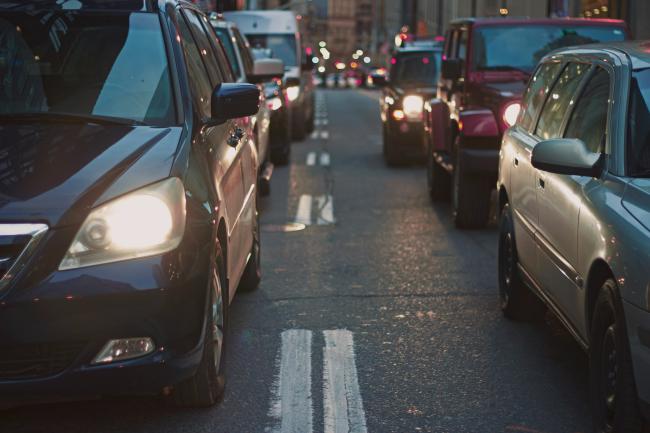
Flock cameras are automated license plate reader (ALPR) cameras that capture vehicle and plate information, usually along roads and other publicly visible areas. They are controversial because large networks can create searchable records of where vehicles were seen. Police cite their value in investigations, while critics raise concerns about privacy, data sharing, warrants, errors, and oversight.
- Why Are Flock Cameras Controversial?
- Why Are Some Cities Removing or Rejecting Flock Cameras?
- Why Do Police Departments Use Flock Cameras?
- What Has Flock Done to Address Privacy Concerns?
- Flock Cameras: Public Safety vs Privacy
- Flock Camera vs Home Security Camera: Why the Privacy Debate Is Different?
- FAQs
- Conclusion
Why Are Flock Cameras Controversial?
The debate centers on how these cameras collect, search, store, and share vehicle data.
1. Privacy and Mass Surveillance Concerns
Flock uses automatic license plate reader technology, which police often call ALPR systems. Cameras record plate images, vehicle images, visible features, dates, times, and exact locations.
Flock says its ALPR cameras do not use facial recognition or collect biometric data. Critics say repeated observations can reveal work, medical, religious, protest, and relationship trips.
Flock says searches must support approved public safety purposes and follow agency rules.
2. Data Sharing Between Law Enforcement Agencies
Who Can Access Flock Camera Data?
Flock says approved users with assigned roles can access law enforcement camera records. Each search links to one user account, while supervisors can review activity logs. Local agencies control access settings and choose which partners may receive shared data.
Can Police Departments Share Flock Data With Other Agencies?
Agencies may share records when rules allow, which can widen access across jurisdictions.
Does ICE Have Access to Flock Cameras?
Flock says ICE does not have direct access to its cameras or data by default and that federal data sharing is disabled unless the agency controlling the data enables it. However, critics have raised concerns about indirect access when state or local law enforcement agencies share or search ALPR data on behalf of federal authorities.
3. Concerns About Warrantless Searches
Do Police Need a Warrant to Search Flock Cameras?
There is no single nationwide rule requiring police to obtain a warrant for every Flock or ALPR database search. Whether a warrant is required can depend on the jurisdiction, the scope and duration of location tracking, applicable state law, and the circumstances of the investigation. Courts continue to consider how the Fourth Amendment applies to large ALPR databases.
Are Flock Cameras a Fourth Amendment Violation?
Courts have not established that all use of Flock cameras violates the Fourth Amendment. The legal debate instead focuses on when searching large collections of vehicle-location records becomes a Fourth Amendment “search,” particularly when records reveal a person's movements over time. Outcomes can depend on the scope of surveillance, jurisdiction, and facts of the case.
This remains an active legal question as courts review large ALPR camera networks. A federal district court ruled for Norfolk, Virginia, during January 2026 federal litigation. The plaintiffs appealed, and the Fourth Circuit case remained open through September 2026. The appeal examines whether broad vehicle location searches can raise Fourth Amendment concerns.
4. Accuracy and False Matches
Can Flock Cameras Misread License Plates?
Federal guidance says license plate readers can misread plates or identify wrong vehicles. Glare, dirt, camera angles, plate designs, and similar characters can affect camera readings.
Can an ALPR Match Lead Police to the Wrong Vehicle?
A wrong match can cause harm when officers treat automated results as proof. The process moves from camera observation to automated match, lead, then human verification. Flock says officers should visually confirm each plate before acting on an alert.
Is a Flock Camera Alert Proof That a Vehicle Is Involved in a Crime?
No. An ALPR alert should be treated as an investigative lead, not proof that a vehicle or its occupants committed a crime. Plate reads can be incomplete or incorrect, so officers should verify the plate and vehicle before taking enforcement action.
5. Misuse and Unauthorized Searches
Can Police Officers Misuse Flock Cameras?
Users may search vehicles improperly, and reported cases have increased demands for stronger oversight.
How Are Flock Searches Audited?
Flock says every search records the user's identity together with a time stamp. Flock said required Audit Assistance would cover law enforcement customers by December 2026. It also announced required case codes and proactive lockouts when activity shows warnings.
6. Data Retention and Security Concerns
How Long Does Flock Keep License Plate Data?
Flock changed its recommended default retention period from 30 days to 7 days. Existing customers may keep other approved periods under their own local agency policies. Evidence Mode can preserve selected records tied to active cases beyond normal deletion.
What Happens to Flock Data After It Is Deleted?
According to Flock, ordinary ALPR data is automatically and permanently deleted after the applicable retention period unless it has been preserved under an authorized exception, such as Evidence Mode, a legal hold, or another applicable requirement.
Could Flock Camera Data Be Hacked or Leaked?
Like any networked database, an ALPR system faces cybersecurity and unauthorized-access risks. Flock says it uses encryption, multi-factor authentication, access controls, security reviews, and other safeguards to protect customer data. Shorter retention periods can also reduce the amount of historical data exposed if an incident occurs.
Why Are Some Cities Removing or Rejecting Flock Cameras?
Some U.S. communities have removed, deactivated, or rejected Flock cameras over concerns about privacy, data sharing, government oversight, and how vehicle-location records may be accessed or used. Newsweek reported in 2026 that resistance had expanded across numerous cities and counties, although the reasons and actions varied by jurisdiction.
For example:
These cases show that the controversy is not limited to whether ALPR cameras can help police investigate crimes.
At the same time, decisions are not uniform nationwide. Some jurisdictions continue using Flock cameras because law enforcement agencies say they help locate stolen vehicles, identify investigative leads, and find missing people. The broader debate is therefore about whether those public-safety benefits justify the privacy and oversight risks of networked vehicle tracking, rather than simply whether the cameras are useful.
Why Do Police Departments Use Flock Cameras?
Police departments use Flock cameras because vehicle records can support several common investigations.
-
Finding Stolen Vehicles: Officers can receive alerts when plates match stolen vehicles or approved wanted lists.
-
Investigating Crimes: Investigators can search records by plates, locations, times, and visible vehicle features today. These searches may identify vehicles linked with burglary, assault, theft, or other cases.
-
Locating Missing or Wanted Vehicles: Alerts may help find vehicles linked with missing people, warrants, or urgent cases.
-
Faster Vehicle Searches Across Multiple Locations: Connected networks let investigators search several areas without checking separate camera systems individually.
What Has Flock Done to Address Privacy Concerns?
In August 2026, Flock announced several changes intended to answer growing privacy concerns. They included 7-day retention, Evidence Mode, required case codes, and Audit Assistance. Flock also announced proactive lockouts, stronger sharing controls, transparency tools, and multi-factor authentication.
Flock announced these changes in August 2026, with some requirements scheduled to reach all law-enforcement customers by the end of 2026.
Privacy groups argue these steps do not solve concerns about large searchable networks. Flock says shorter storage, local control, search logs, and monitoring can reduce misuse.
Flock Cameras: Public Safety vs Privacy
Flock Camera vs Home Security Camera: Why the Privacy Debate Is Different?
Both flock and CCTV serve for surveillance needs, but their purpose, location, and data use often differ.
A home security camera is generally designed to monitor a specific property rather than build a searchable network of vehicle movements across public roads. With systems such as Reolink, footage can also be stored locally on supported microSD cards, NVRs, or Home Hubs, giving the owner direct control over their property-security recordings.
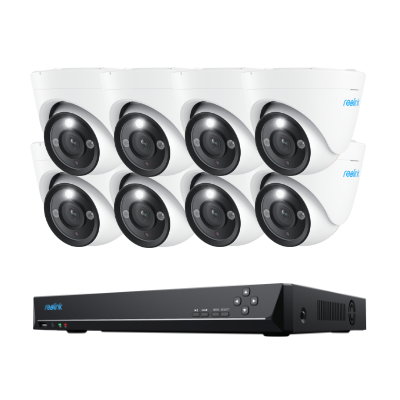
12MP PoE Security System with Color Night Vision
12MP Ultra HD, Person/Vehicle Detection, Power over Ethernet, 16-Channel NVR.
FAQs
Common questions address privacy, legality, face recording, and vehicle tracking across camera networks.
Are Flock Cameras an Invasion of Privacy?
That is disputed. Critics argue that large ALPR networks can reveal vehicle movements even when drivers are not suspected of crimes. Flock argues that short retention periods, local data control, access restrictions, audit logs, and other safeguards limit privacy risks.
Are Flock Cameras Legal?
Flock and other ALPR cameras are permitted in many U.S. jurisdictions, but rules governing collection, retention, sharing, and police searches vary by state and locality. Court challenges over how constitutional privacy protections apply to large ALPR networks are continuing.
Do Flock Cameras Record Your Face?
Flock says its ALPR cameras do not use facial recognition or collect biometric data. Their primary purpose is to capture vehicle and license-plate information.
Do Flock Cameras Track Every Car?
A Flock camera can capture passing vehicles within its field of view, not just vehicles suspected of crimes. Each detection is an individual observation, but multiple observations can potentially show where the same vehicle appeared over time.
Conclusion
Flock cameras remain controversial because safety benefits can expose ordinary drivers' travel records. Police can use records for stolen vehicles, missing people, and other investigative leads. Debates therefore cover retention, sharing, warrants, errors, security, public approval, and strong oversight.
Search
Subscribe for the Latest Updates
Security insights & offers right into your inbox