
What Is a Bomb Cyclone Storm and Why Is It So Dangerous?
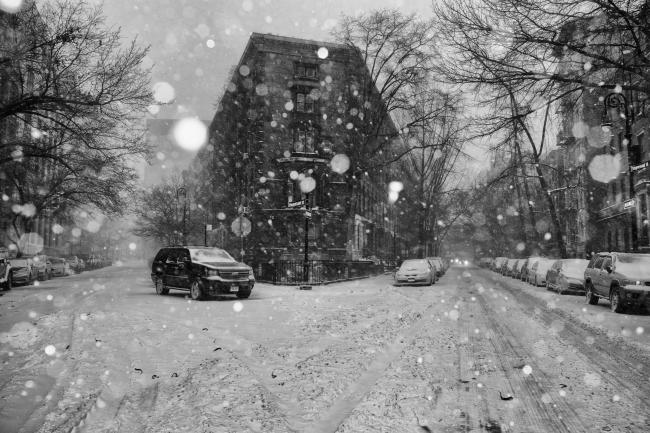
A bomb cyclone winter storm is created when the atmosphere of a normal mid-latitude low-pressure system decreases by at least 24 millibars within a 24-hour period. A sudden fall is known as bombogenesis to meteorologists. The one step transforms a mere low into a rapidly rotating mechanism, which moves wind, snow, and seawater over massive zones.
You will know how the storm begins, why it causes numerous risks, what location it attacks, and how your home is to be prepared until the next news storm hits.
What Is a Bomb Cyclone Storm?
A bomb cyclone is a low-pressure system that becomes extremely strong within a very short period of time. As pressure decreases, air will rush towards the centre, increase, and rotate. The rotation creates force to the wind in an outward direction, and the ascending air condenses and precipitates a lot of rain or snow. During the winter season, cold ground air mixes with the moist air and thus, the storm not only deposits heavy snow but also covers the ground with ice and smashes coasts with huge waves.
Why Is a Bomb Cyclone Winter Storm Dangerous?
A calm winter dawn can turn wild by dusk when a bomb cyclone explodes in strength. The quick change leaves little time to shift travel plans or check your house. Four main hazards need your full attention.
Extreme Wind
The gradient of pressure is so sharp that it draws in the air and accelerates it. Strong winds have speeds of up to 70 miles/hour on open water and on land. The wind tears off shingles, trees, and miscellaneous articles. Truckers tip or roll over bridges, and drivers can shut down long bridges until the winds subside.
Rapid Snowfall and Blizzard Conditions
The damp air rises, condenses, and becomes snow. Road signs and guardrails can be covered by two to three inch an hour rates. The wind blows away the flakes on the sides, and roads are covered with white sheets. Drivers waste ways, get stuck in the drifts, and get frostbitten if they get out of their cars.
Coastal Flooding and Storm Surge
When the pressure crash happens near shore, wind piles ocean water onto beaches and bays. High tides rise even higher, and waves break over dunes and seawalls. Salt water floods streets and basements, ruins cars, and weakens buildings.
Power Outages and Infrastructure Strain
In case of a pressure crash, the ocean water is heaped on beaches and bays by the wind. The high tides are even higher, and dunes and seawalls are breached by the waves. Salt water drowns the streets and basements, destroys the cars, and undermines the buildings.
Where and When Do Bomb Cyclones Hit?
Bombogenesis needs a sharp clash between cold land air and warmer water air. This setup appears along oceans and large lakes from late fall through early spring, because water stays mild while land cools fast.
United States
One common track starts in the Gulf of Alaska, slides along the Pacific Northwest, dips over the Rockies, and reforms on the central Plains. A second track starts near the Southeast coast and races up the Atlantic seaboard, becoming famous nor’easters. Peak months run from December through March.
Canada
Atlantic Canada often sees lows born near Cape Hatteras charge north and deepen. Hudson Bay and the Labrador Sea also host bomb cyclones each fall, before the water freezes, when Arctic air meets open water.
Europe
There are bomb cyclones that intensify over the North Atlantic over Western Europe. Ireland and the United Kingdom are the first to be struck, and gales, heavy rain, or snow occur in Norway, northern France, and some parts of Spain. A majority of them come in October to March.
How to Prepare Your Home for a Winter Storm Bomb Cyclone?
A bomb cyclone has the capacity to rotate during the night. When there are warnings by forecasters that there will be a low that will go deep quickly, then begin your checklist immediately. All you want to do is to stay warm, stay dry, stay outside, and survive three days without electricity in the grid.
-
Seal doors and windows – Install frames with weather strips, or removable caulk. It is tightly sealed and will keep you warm, and it will not strain your furnace.
-
Insulate exposed pipes – Slide foam-sleeves over crawl space lines and around exterior walls. Keep sink doors open in order to allow warm air to contact pipes.
-
Trim trees and secure loose items – Prune shabby limbs around roofs and power wires. Secure tie-down grills, trash cans, and lawn chairs in such a way that they cannot be blown off in case of a wind.
-
Service generators and store fuel – Check your unit, change the oil, and have fresh gasoline or propane in special cans and ensure they are well away from living quarters.
-
Build a 72-hour kit – Assemble one gallon of water per person per day, prepared and ready to eat food, flashlights, batteries, blankets, baby requirements, and all the medicines.
-
Check or install security cameras – Ensure your home security cameras are working and connected. Outdoor cameras can monitor property while you shelter indoors, providing peace of mind and protection during extreme weather.
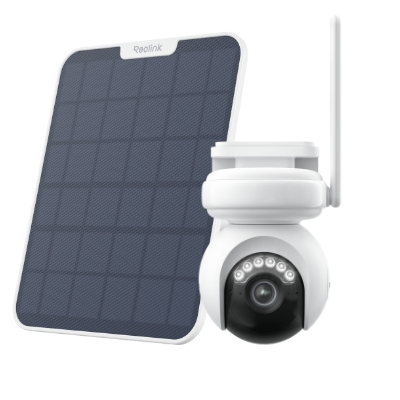
Industry-leading 4K Continuous Recording Battery Camera
4K UHD Continuous Recording; ColorX Night Vision; Pan & Tilt; Automatic Tracking; All Recordings Stored Locally.
Bomb Cyclone vs. Hurricane: What's the Difference?
The two storms are similar in that they cause heavy winds and floods. Being aware of these details will make you read predictions and take action.
-
Fuel Source – Bomb cyclones draw on the collision of warm and cold air; hurricanes draw on warm ocean water and rising and moist air.
-
Core Structure – A bomb cyclone has the cold air at its centre and follows fronts; a hurricane at its centre has a warm eye and an eyewall.
-
Season and Latitude – Bomb cyclones are best found in mid-latitudes in the fall and spring, whereas hurricanes are best found at the lower latitudes in the late spring and fall.
-
Precipitation Type – Precipitation may be in the form of snow, sleet, ice, and rain; precipitation by the hurricane may be in the form of warm and heavy rain.
-
Shape and Size – Bomb cyclones may cover half the continent, whereas the hurricanes remain smaller, but their eyewall gathers the strongest winds.
FAQs
Where is the bomb cyclone going to hit?
Satellites, radar, and computer models are used to monitor every storm that is tracked by weather offices, which update maps regularly throughout the day. They place watches as many as forty-eight hours beforehand. The North East coast, the Northwest coast, and the upper Midwest are located on similar tracks, but any slight track alteration may result in the location of the worst wind or snow.
How rare is a bomb cyclone?
The lows rapidly intensify on multiple occasions every cold season in the North Atlantic and the North Pacific. Not many of them can maintain full strength during the journey across the land, but the few ones are covered by the headline due to the combination of wind, snow, and surge.
What states are most affected by bomb cyclones?
Nor'easters found in Maine, Massachusetts, New York, and New Jersey qualify as a bomb cyclone. On the West Coast, Washington, Oregon, and Northern California, Pacific bombs are fought. The plains of Nebraska, the Dakotas, and Minnesota are attacked by high wind-driven snow when the lows burst out in warm air of the Gulf, in its Northward flight.
Conclusion
Bomb cyclones develop rapidly, extend extensive distances, and combine dangers that may paralyze normal life. Unquivocal facts, regular preparation of the home, and keenness to weather warnings provide the families with the advantage they require to be safe. Winter is all trial, but equal to it is proper planning today so that an unexpected storm tomorrow is not transformed into a prolonged crisis.
Search
Subscribe for the Latest Updates
Security insights & offers right into your inbox