
What Does a Home Warranty Cover? A Complete Guide 2026

Many homeowners ask what does a home warranty cover and what is covered under a home warranty. This guide looks at the facts for 2026 and helps you see these plans clearly.
What Is a Home Warranty?
A home warranty acts as a service contract. It pays for repairs or replacements of major home systems and appliances. Homeowners purchase these plans to guard against big bills when things break from regular use. Companies sell them for a yearly cost, often between $300 and $600. The agreement runs for one year, and you can renew it each time. Unlike homeowners' insurance that deals with harm from fires or storms, a home warranty deals with normal wear and tear.

Reolink Spring Sale - Step Into Spring, Step Into Security!
Reolink Spring Sale is here! Grab top deals on security cameras, doorbells, and systems to keep your home safe this season.
What Does a Home Warranty Cover?
To understand what a home warranty covers, look first at the usual items in most plans. These agreements differ by company, but they have some common safeguards. What is covered in home warranty often means key parts of your house that keep everything working well. Read on to learn about the main groups in full.
Major Appliances
Most home warranties include important kitchen and laundry appliances. Refrigerators get protection if the compressor stops or the ice maker fails. Dishwashers receive help for broken pumps or bad heating parts. Ovens and stoves get aid for issues with burners, control boards, or wires. Washing machines and dryers qualify for fixes on motors, belts, or timers. These plans help when machines wear out from daily use and save you from paying the full price to replace them. Check the agreement for limits, as some top out at $1,500 for each item.
Heating and Cooling Systems
Heating, ventilation, and air conditioning units form a large part of home warranty protection. Furnaces get repairs for bad blowers, heat exchangers, or starting systems. Air conditioners receive aid for compressor problems, leaks in coolant, or fan motor failures. Ductwork at times gets covered if it leaks or blocks from regular wear. Heat pumps often join the list, with help for valves, coils, or electric parts. In areas with extreme weather, this safeguard matters a lot because new systems can cost a lot of money. Plans often restrict coverage to units below a set age or in fine shape when you sign up.
Plumbing Systems
Plumbing protection deals with pipes, faucets, and fittings inside the house. Leaks in water pipes often get fixed, even those hidden in walls. Toilets receive help for blocks, bad flappers, or tank troubles. Water heaters get coverage for heating parts, controls, or leaks in tanks for both electric and gas types. Garbage disposals fit here, too, with repairs for stuck blades or motor issues. Sewer lines sometimes get some protection up to a set length from the home. This warranty section stops small troubles from becoming big floods or clogs that harm floors and walls.
Electrical Systems
Electrical protection includes wires, outlets, and switches all over the home. Circuit breakers and panels often get fixed if they fail due to heavy use. Ceiling fans receive aid for motor problems or bad wires. Doorbells and garage door openers get help for working parts like gears or sensors. Built-in lights at times qualify, but not bulbs or fancy details. This safeguard centers on safety because bad electrical work can cause fires or shocks. Companies set boundaries, often leaving out full home rewiring or changes to follow new rules.
Other Common Items
Some plans protect less common things like built-in microwaves, trash compactors, or central vacuum systems. Pool and spa gear might qualify as extras, such as heaters, pumps, and filters. Well pumps and septic setups often show up in plans for country homes. Services to change locks offer a small but handy perk after you move in. These additions let you pick what fits your house best.
What Does a Home Warranty Not Cover?
Home warranties give good protection, but they have firm boundaries. Learning these gaps sets real hopes and stops shocks during requests for help. What a home warranty leaves out includes many building and outside parts. Companies skip these to hold down prices and stick to machine breakdowns. See the common missing areas below.
Structural Components
Home warranties pass over foundations, walls, roofs, and floors. Cracks in concrete bases from settling stay out. Roof drips or damaged shingles do not qualify. Windows and doors get little help, only if working parts like hinges break, but not for glass or frames. Big home fixes from age or weather remain your job.
Pre-Existing Conditions
Problems that exist before the warranty begins do not get covered. If a machine shows failure signs during a check, the plan turns down the request. Rust, wear from acid, or poor upkeep often count as already there. Companies need proof that issues started after the plan kicked in.
Natural Disasters and Accidents
Harm from floods, earthquakes, or storms stays out. Breaks from accidents, like dropping a machine, do not qualify. Bug problems or mold from leaks get left out. These belong with homeowners' insurance.
Cosmetic Issues
Looks-only troubles, such as marks on machines or worn paint, do not get help. Dents in fridge doors or chips in counters stay uncovered. The plan looks at how things work, not how they appear.
Other Exclusions
Breaks of rules or updates to match new standards often get turned down. Dangerous items like asbestos cleanup do not qualify. Regular upkeep, like changing filters or cleaning, stays your task. Extras might add some items, but core plans hold true to machine failures.
How Does a Home Warranty Work?
Seeing how a home warranty runs makes it simple to use when you need it. These plans use a clear path from buying to fixing claims. Companies take the steps to give fast help. Learn the way it works below.
Purchasing the Plan
You begin by picking a company and plan type. Look at choices online or with helpers. Pay the yearly cost and any extras. Protection starts after a wait time, often 30 days.
Filing a Claim
When something breaks, call the company by phone or app. Tell them about the trouble in detail. They send a worker from their group.
Service Visit
The worker comes to your home to check the problem. You pay a visit fee, usually $75 to $125. They tell the company what they find.
Repair or Replacement
If okayed, the company pays for the fix costs after your fee. For new items, they give a similar model. Turn-downs occur if gaps apply.
Renewal
At the end of the year, renew or change companies. Some give lower prices to steady buyers.
Does a Home Warranty Cover Security Cameras?
No, most home warranties do not cover security cameras. These count as gadgets, not big systems or machines. Some plans add choices for home tech, but basic protection leaves them out. Security cameras can help document incidents with video footage, which can be useful when filing an insurance claim.
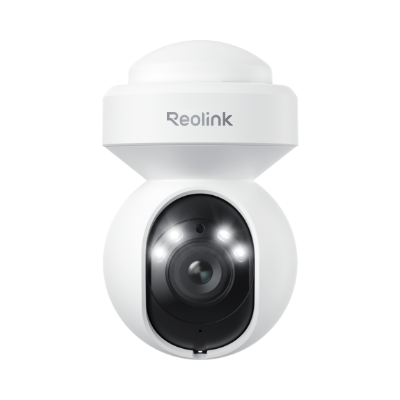
4K WiFi PTZ Camera with Auto-Tracking
4K 8MP Super HD, Smart Person/Vehicle Alerts, 355° Pan & 50° Tilt & 3X Optical Zoom, Auto Tracking, Color Night Vision.
FAQs
What is usually covered under a home warranty?
Home warranties usually protect major appliances such as refrigerators, dishwashers, and ovens. They also deal with systems like heating and cooling, plumbing, and electrical setups. The focus stays on failures from everyday use. You can add options for things like pools or wells. Check the agreement each time for exact details and caps on costs. This way, you know what to expect and avoid surprises.
What are the cons of a home warranty?
Cons of a home warranty include fees for each service call, which can build up over time. Limits on coverage cap how much the plan pays per item. Requests get turned down for issues that were there before or for things not included. You face a wait period before protection starts. Workers from the company network might not always do great work, which can cause upset. Think about these points before you buy.
What does Dave Ramsey say about home warranties?
Dave Ramsey tells most people to skip home warranties. He points out that they can cost more money than they save in the long run. He suggests building a fund for emergencies instead. You might think about them only for old homes with big repair needs. Always look into companies well to stay away from bad deals. His advice aims to help you handle money wisely.
Conclusion
This guide went over what a home warranty covers, from appliances and systems to what is not. What is covered under a home warranty centers on machine breakdowns, while building issues do not fit. Knowing how it works lets you see if it suits you. Tell us your views on home warranties in the comments.
Search
Subscribe for the Latest Updates
Security insights & offers right into your inbox