
Soft White vs Warm White: Which is Best for You?
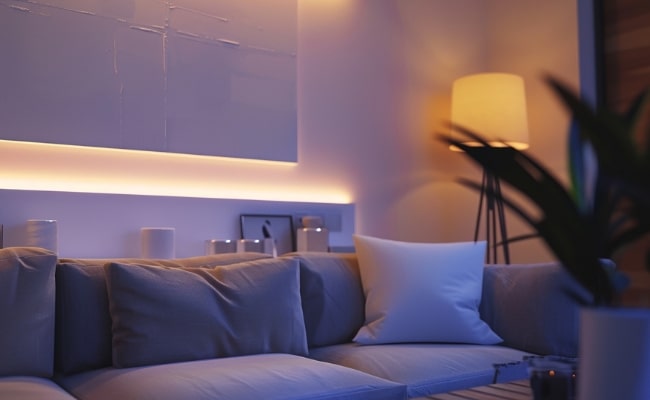
Choosing the right lighting for your home can be tricky, especially when deciding between soft white vs warm white bulbs. Both options create a cozy ambiance, but they differ in color temperature, brightness, and the mood they set in each room. In this guide, we’ll break down the differences, explain the best uses for each type of light, and help you pick the perfect tone for your living spaces.
Soft White vs. Warm White: Brief Overview
Soft white light vs warm white are both general-purpose lighting options, suitable for a variety of applications. Soft white vs warm white light bulbs differ mainly in terms of light color, brightness, ambiance, energy efficiency, and available LED options.
What is a soft white light?
Soft white light bulbs typically range from 2,700 to 3,000 Kelvin, producing a warm, soft yellow glow that is both comfortable and inviting. They offer a balanced light—warm yet bright enough for everyday use—creating a cozy, traditional, and homelike atmosphere. This makes them ideal for ambient lighting in bedrooms, living rooms, hallways, and even bathrooms where a relaxing, non-harsh light is preferred.
What is a warm white light?
Warm white bulbs typically range from 3,000 to 4,000 Kelvin and produce a warm yellow-white glow with a slightly reddish tone. Compared to soft white, they appear a bit brighter while still maintaining a warm feel. This makes them ideal for both functional and atmospheric lighting, suitable for spaces like kitchens, bathrooms, hallways, dining rooms, and restaurants where a balance of visibility and ambiance is important.
Difference Between Kelvins and Watt in soft white vs warm white bulbs
Kelvin (K) and watt (W) measure two different aspects of a light bulb—its appearance and its energy use.
Kelvin refers to the color temperature of the light, not the actual heat of the bulb. It determines how warm or cool the light appears. Bulbs with a Kelvin rating of 2000K–2600K produce a warm white glow, while those in the 2700K–3000K range emit a soft white light. Generally, as the Kelvin value increases, the light appears cooler and brighter.
Watt, on the other hand, measures how much energy a bulb consumes. A higher wattage means more electricity usage. However, energy consumption also depends on the bulb type. For example, LED bulbs are much more energy-efficient, providing the same brightness as traditional bulbs while using significantly less power.
Soft White vs. Warm White: What's the Difference?
Soft white bulbs emit a warmer, more yellow glow (around 2700K–3000K), creating a cozy, relaxing, and intimate mood. In contrast, warm white bulbs are slightly brighter with a less yellow tone (around 3000K–3500K), producing a cheerful, inviting, and energetic ambiance. Following are details:
Color Temperature
Soft white bulbs (around 2700K–3000K) produce a slightly less yellow, balanced warm light, while warm white bulbs (around 2700K–3500K) lean more toward a yellow, cozier tone. Lower color temperatures feel warmer and more intimate, while higher ones appear more neutral and clear.
Atmosphere
Soft white lighting creates a brighter, cleaner environment suitable for tasks like reading or working. Warm white lighting delivers a softer, yellowish glow that enhances relaxation, making it ideal for living rooms, bedrooms, and dining areas.
Perceived Brightness
At similar wattages, soft white bulbs often appear slightly brighter due to higher lumen output, making them better for functional lighting. Warm white bulbs feel dimmer and softer, prioritizing ambiance over illumination intensity.
Comparison Table between Soft White vs Warm White:
For a quick visualization, check out the comparison table below:
Warm White vs. Soft White: Where to Use? How to Choose?
The soft white vs warm white light bulbs can be used across multiple settings like offices, living rooms, kitchens, etc. However, the best use of these bulbs is based on the place. Here are some guidelines on the best applications for soft white light bulbs vs warm white bulbs:
Where to use warm white light bulbs
Warm white light enhances the coziness and ambiance which is why they work well in the above rooms. The inviting glow encourages relaxation.
- Living rooms
- Bedrooms
- Dining rooms
- Restaurants
- Entryways
- SPA and wellness areas
Where to use soft white light bulbs
Soft white bulbs are a better match for work areas or rooms where bright, neutral light is preferred. The whiter tone has an energizing effect suited for tasks and chores.
- Offices
- Laundry rooms
- Kitchens
- Bathrooms
- Workshops & garages
- Hallways & staircases
How to Choose between Them?
Here are some tips on deciding between warm white vs soft:
- Consider the primary use of the room. Soft white works well for kitchens, bathrooms, and work areas that need lots of light. A warm white ambiance is preferred for cozy spaces like dining rooms.
- Take color temperature into account. Warm white 2700K bulbs provide a cozier effect. Soft white 3000K bulbs give brighter, cooler light.
- Think about room size. For large open concept rooms, soft white throws light further reducing shadows. For contained smaller rooms, warm white adds ambiance.
- Combine warm & soft white. Use warm white for main ceiling lights to create ambiance. Add soft white task lighting as needed.
- Evaluate personal preference. Do you prefer relaxing vs. energizing effects? Cooler vs. warmer tones? This helps determine personal tastes.
- Assess LED options if upgrading from traditional bulbs. Both warm white and soft white LED lights are available to save energy.
Warm White vs. Soft White Lights: Which is Better for Security Cameras?
When installing security cameras, warm white floodlight bulbs are the better option to provide more natural light. Soft white bulbs tend to produce glare and overexposure issues on cameras. The crisper cool light blows out images. Warm white 3000K floodlights enhance color accuracy and contrast optimizing surveillance footage. Some Reolink floodlight cameras come with adjustable lighting, so you can easily choose the color temperature that suits your needs.

4K 180° Ultra-Wide Wired Floodlight Security Camera
3000-Lumen Dimmable Lighting, Adjustable Color Temperature, Local AI Video Search, Local Storage, Dual-Band Wi-Fi 6.
For a more flexible and wire-free setup, the Reolink Solar Floodlight Cam is a great option, combining smart adjustable lighting with reliable solar power for efficient outdoor security.
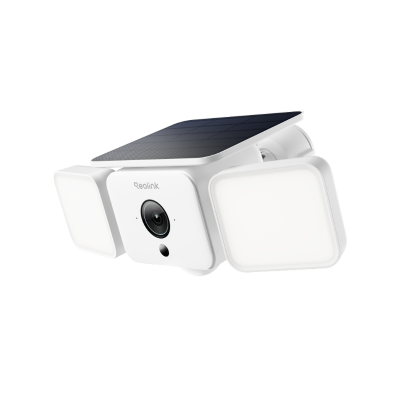
Smart 2K Solar Floodlight Security Camera
150° Ultra-Wide View, 2K 4MP HD Resolution, AI-Based Adaptive Floodlight, Endless Power with Reolink SolarEase™.
FAQs
Which is better, soft white or warm white?
It depends on the room and the mood you want. Soft white (2700K–3000K) creates a warmer, cozier, and relaxing atmosphere, ideal for bedrooms and living rooms. Warm White (3000K–3500K) is slightly brighter and more energetic, great for kitchens, bathrooms, and workspaces.
Is soft white or daylight better for bathrooms?
Daylight (around 5000K–6500K) is typically the best choice for bathroom vanities, as it delivers bright, crisp lighting that’s ideal for tasks like shaving and applying makeup. Soft White (around 2700K–3000K) works better for creating a warm, relaxing, spa-like ambiance. If you want a balance between clarity and comfort, consider using Bright White lighting in the 3000K–4000K range for a more versatile setup.
Is soft white the same as warm white?
Although they sit close on the Kelvin scale and both produce a yellowish-white tone, there are subtle differences between them. Soft white light gives off a slightly gentler, more diffused glow compared to warm white. While it’s perfectly fine to mix these bulbs throughout your home, using the same type within a single room will create a more consistent and cohesive look.
Conclusion
In the end, choosing between soft white and warm white comes down to the atmosphere and visual clarity you want to achieve. Soft white lighting can work well in spaces where a neutral, balanced glow is preferred, but it may introduce glare or reduce contrast in camera footage. Warm white lighting, on the other hand, offers a softer, more natural tone that enhances color accuracy,
Search
Subscribe for the Latest Updates
Security insights & offers right into your inbox