
How to Secure Sliding Glass Door: 2026 Full Guide
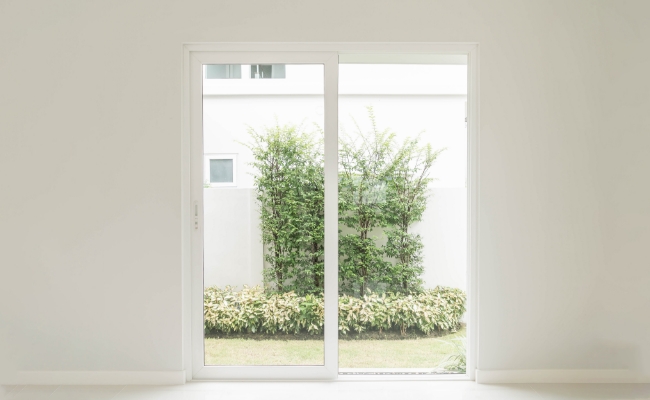
Sliding glass doors provide natural light and convenient access to patios and gardens, but their basic latches, exposed tracks, and large glass panels can also make them vulnerable entry points. Intruders may try to force the lock, lift the door from its track, or break the glass to gain access.
To secure a sliding glass door, combine physical protection—such as a stronger lock, security bar, anti-lift device, and security film—with sensors, lighting, and security cameras. This guide explains the most effective ways to protect your sliding door, whether you are a homeowner or renter.
Why Are Sliding Glass Doors Vulnerable to Break-Ins?
Sliding glass doors can be less secure than traditional entry doors because they often combine large glass panels, basic latches, exposed tracks, and locations with limited visibility. Understanding these weak points can help you choose the right security measures.
Large Glass Panels Can Be Broken
Unlike solid wood or metal doors, sliding door locks contain large areas of glass. If the glass is broken, someone may be able to reach the interior latch and unlock the door. Security film or reinforced glass can help hold shattered glass together and delay entry.
Basic Latches May Be Easier to Force
Many sliding glass doors use simple hook or latch locks rather than strong deadbolts. Worn, loose, or misaligned hardware may provide even less protection, especially when the original lock is the door’s only security measure.
Some Doors Can Be Lifted Off the Track
Older or poorly fitted sliding doors may be lifted or shifted within their tracks. A locked latch alone may not prevent this, which is why anti-lift devices, security pins, or track screws can provide additional protection.
Patio Doors Are Often Less Visible
Sliding doors are commonly installed at the back or side of a home, where activity may be harder for neighbors or passersby to notice. Poor lighting, fences, landscaping, and limited camera coverage can make these entrances more attractive targets.
9 Effective Ways to Secure Sliding Glass Doors
A sliding glass door can be a major entry point for light and fresh air, but its structural weak points make it a frequent target for intruders. Securing it requires a layered defense: strengthening physical hardware, reducing visibility from the outside, and adding active electronic monitoring.
Follow these 9 tips to turn your sliding patio door into a secure entryway.
1. Inspect and Reinforce the Existing Latch
Factory-installed hook latches on sliding doors are notoriously flimsy and can wear down or loosen over time.
Routinely check that the latch engages firmly into the strike plate without wiggling. Tighten any loose screws, adjust misaligned hardware, and replace worn strike plates with heavy-duty metal alternatives secured with 3-inch screws.
2. Install a Secondary Sliding Door Lock
Relying on a single factory latch is rarely enough. A secondary lock creates a backup mechanical barrier that prevents the door from sliding open even if the main lock is bypassed.
Mount a foot-operated step lock at the bottom corner of the door or a top-mounted slide bolt. These force an intruder to deal with two separate locking mechanisms at different heights.
3. Add a Security Bar
A security bar (or "charm bar") sits directly inside the door track, physically stopping the sliding panel from opening—even if all mechanical locks are completely picked or broken.
Place an adjustable security bar or heavy-duty wood/metal dowel in the bottom track. For cleaner daily operation, install a fold-down hinged security arm mounted at waist height on the door frame.
4. Prevent the Door from Being Lifted
Intruders often try to lift sliding panels upward inside the upper track to pop the door off its rollers and remove it entirely from the frame.
Install anti-lift blocks or track screws along the top channel. Adjust them so the door glides smoothly, but leaving insufficient vertical clearance for the door to be lifted out. You can also drill a hole through the overlapping door frames and insert a hardened steel security pin.
5. Apply Security Film
Standard patio door glass breaks easily upon impact, allowing an intruder to reach in and flip the interior thumb latch.
Apply heavy-duty clear security window film (typically 8 to 14 mil thick) over the inner surface of the glass pane. If the glass breaks, the film holds the shattered fragments tightly together, creating a tough tear-resistant barrier that delays entry.
6. Add Blinds or Privacy Film
If an intruder can look inside, they can easily scope out valuables, layout, and interior lock positions.
Keep window coverings closed when the patio isn't in use, especially at night. You can also apply one-way mirror privacy film or frost tint to let natural sunlight in during the day while blocking the view from the outside.
7. Install Door and Glass-Break Sensors
Pairing your door with an alarm system ensures an immediate alert if physical security is breached.
Place a magnetic entry contact sensor to detect when the door opens. Pair it with an acoustic glass-break sensor positioned nearby, which listens specifically for the sound frequency of shattering glass.
8. Monitor the Door with a Security Camera
Because sliding doors are usually at the rear or side of a home, continuous visual monitoring provides both a strong deterrent and real-time alerts.
Mount a weatherproof outdoor security camera pointed directly at the patio entry. Choose a model featuring smart AI detection (to identify people and minimize false alerts) and dual-way audio or a built-in siren.
9. Add Motion-Activated Lighting
Burglars count on dark shadows to work on locks or force glass quietly. Removing dark spots eliminates their cover.
Install motion-activated floodlights above or near the patio area. Bright, sudden illumination usually causes an intruder to abort the attempt immediately.
Best Sliding Door Security Tips for Different Groups
Security solutions are not one-size-fits-all. A homeowner can drill holes for heavy-duty deadbolts, whereas a renter needs drill-free, non-permanent options that preserve their security deposit.
Match your living situation below to find your ideal security strategy:
Best for Renters
Non-damaging, zero-drill physical barriers and portable tech that leave no trace upon move-out.
-
Removable Security Bar & Privacy Film. Place an adjustable tension bar or sliding security pole in the bottom track to block entry mechanically without drilling single holes into the frame. Apply static-cling window privacy film (no adhesive required) to block views from neighboring units.
-
Smart Security: Pair the door with a wire-free, battery-powered security camera or a stand-alone, adhesive-mounted magnetic door sensor. These can be removed in seconds when your lease ends.
Best for Homeowners
Comprehensive physical reinforcement paired with permanent, layered smart security.
-
Heavy-Duty Hardware & Structural Upgrades. Install permanent secondary deadbolts or foot-operated step locks, and attach anti-lift blocks inside the upper track channel. Upgrade the glass pane with heavy-duty 12-mil impact security film or switch to laminated security glass.
-
Smart Security: Surround the entry with hardwired motion-activated floodlights and an outdoor security camera integrated with local storage (e.g., microSD or NVR) and active deterrence features like built-in spotlights and sirens.
Best for Apartments
Privacy compliance, compact footprints, and private balcony monitoring.
-
Balcony Defense & Privacy Protection. Ground-floor and low-balcony apartments are frequent targets. Use compact anti-lift pins along with a discreet track bar. Keep indoor blinds closed and use acoustic glass-break sensors near the patio frame to alert you without cluttering narrow spaces.
-
Smart Security: Position a compact camera facing outward onto your private patio or balcony area, ensuring the lens angle complies with HOA or apartment guidelines regarding common walkway privacy.
Where Should You Place a Camera for a Sliding Glass Door?
1. Optimal Camera Placement
For maximum coverage, install your camera outdoors and position it off-center to monitor both the sliding door and the approach path.
-
Mounting Height: Install the camera between 6.5 and 10 feet off the ground. This keeps the unit out of easy reach to prevent tampering while preserving a low enough angle to capture facial features.
-
3/4 Angled Point: Avoid pointing the camera straight at the door. Mount it at a slight offset angle so people move side-to-side across the frame. Side-to-side motion triggers motion sensors much more reliably than someone walking directly toward the lens.
-
Lower Two-Thirds Rule: Tilt the camera downward so the door and patio fall within the lower two-thirds of the frame—the region where motion sensitivity is sharpest.
2. Placement Checklist
3. Why Avoid Indoor Placement Behind Glass?
Mounting an indoor camera to shoot through a glass door causes significant video issues:
Night-vision Infrared (IR) LEDs bounce off double-pane glass, creating a severe glare that blinds the lens and obscures footage. Daytime interior light reflections also degrade image clarity and interfere with accurate motion detection.
If you prefer indoor protection near a glass door, pair the setup with a dedicated glass-break sensor rather than pointing an indoor camera directly through the glass.
3 Best Security Camera for a Sliding Glass Door
Depending on your outdoor layout and wiring access, selecting the right camera style ensures complete coverage without blind spots along your back entryway.
1. Dual-Lens Cameras (Best for Wide Patios)
Dual-lens models use two synchronized sensors to stitch together a seamless 180° horizontal field of view.
Captures the sliding glass door, patio furniture, and side pathways in a single feed without the warping distortion of fisheye lenses.
- Top Reolink Pick: Reolink Duo 3 PoE — Delivers a ultra-wide 180° panoramic view in 16MP resolution, making it easy to monitor an entire deck or patio line from a single mounting point.
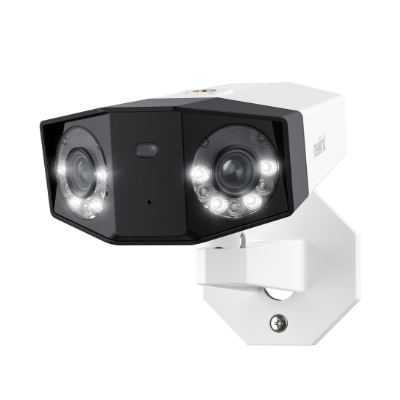
Groundbreaking 16MP Dual-Lens PoE Camera
16MP UHD, Dual-Lens, Motion Track, 180° Wide Viewing Angle, Power over Ethernet, Color Night Vision.
2. Pan-Tilt-Zoom / PTZ Cameras (Best for Large Backyards)
PTZ cameras feature motorized rotation and dual lenses—a wide-angle lens for broad oversight and a telephoto lens for auto-tracking.
Perfect when your patio connects to a large yard. When motion is detected near the sliding door, the camera automatically pans and zooms in on the target as they cross the perimeter.
- Top Reolink Pick: Reolink OMVI 3i PoE — Automatically pans 355° and tilts 90°, displaying both a full-view overview and a zoomed-in tracking view side-by-side on your phone.
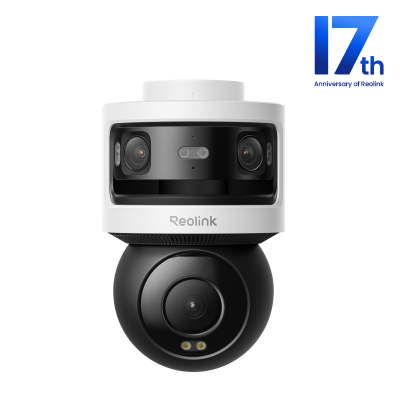
All-in-one Triple-Lens 180° Panoramic Pan-Tilt Security Camera
10MP Dual-Lens 180° View, 4K 360° Full Coverage, SyncTrack with auto framing & auto tracking, Local Storage (No Monthly Fees), Local AI Video Search.
3. Solar & Battery Cameras (Best for Flexible, Wire-Free Installation)
Battery-powered models eliminate the need to run Ethernet or high-voltage power cables through exterior walls or soffits.
Mounts easily onto wooden posts, fence lines, or eaves near the sliding door. Adding an optional compact solar panel keeps the battery continuously charged year-round.
- Top Reolink Pick: Reolink Argus PT Ultra — A 100% wire-free 4K pan-tilt camera paired with a solar panel, offering flexible positioning wherever your patio lighting and view angles are best.
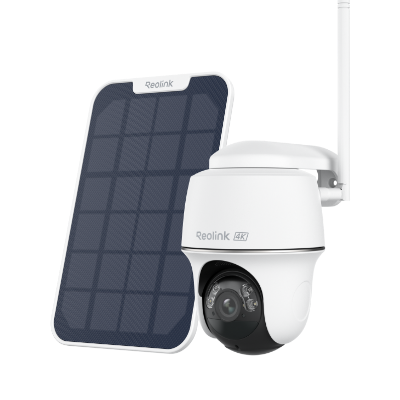
4k 100% Wire-Free PT Camera
4K 8MP Ultra HD; 5GHz/2.4GHz WiFi; Rechargeable Battery & Solar Powered; 355° Pan & 140° Tilt; IP65 Certified Weatherproof; Clear Night Vision; 2-Way Audio; 122° Wide Viewing Angle.
Sliding Door Security Checklist
- Test the existing latch
- Clean and inspect the track
- Add a secondary lock
- Block the track
- Install anti-lift protection
- Cover the glass at night
- Set up alerts and recording
- Review the setup regularly
FAQs
What holds a sliding glass door in place?
A sliding glass door is held in place by its top and bottom tracks. Rollers beneath the movable panel support its weight and guide it along the bottom track, while the upper track keeps the door upright. The frame, latch, and stationary panel provide additional stability.
Do sliding door security bars work?
Yes. A properly fitted sliding door security bar prevents the movable panel from sliding open, even if the lock is forced or picked. For better protection, combine the bar with an anti-lift device so the door cannot be lifted out of its track.
What does a sliding glass door sit on?
A sliding glass door typically sits on adjustable rollers installed along its bottom edge. These rollers travel inside a metal bottom track, allowing the heavy glass panel to open and close smoothly.
Conclusion
Securing your sliding glass door is vital to home safety and protection. By implementing the right security measures, you can greatly reduce the risk of unauthorized access and potential break-ins.
Remember that no single security measure is foolproof, so combining multiple methods for comprehensive protection is often a wise strategy. Regular maintenance and periodic security assessments can also help ensure that your sliding glass door remains a strong barrier against intruders.
If you like this article and find it helpful, share it with your friends. Got something to say about sliding door security? Make sure you leave a comment below!
Search
Subscribe for the Latest Updates
Security insights & offers right into your inbox