
Reolink RLC-823A Review: Features, Performance & Real-World Test
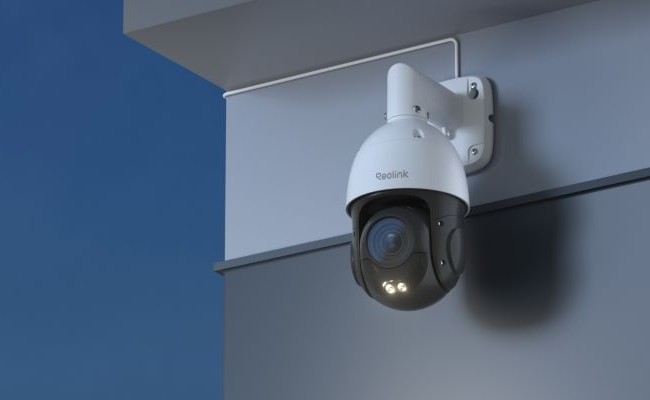
The RLC-823A line brings pan-tilt-zoom flexibility and 4K clarity to wired surveillance. This review explains the camera pair’s hardware, software, and daily use in clear steps. It compares the regular 5X model with the 16X variant so that buyers can choose the right fit without guesswork.
Introduction to Reolink RLC-823A
First, let us set the stage. Many homes and small firms now need wide coverage, active alerts, and strong pictures day or night. Reolink answers that needs with two sibling cameras that share a name but differ in zoom power and tracking speed. Knowing their core parts helps the rest of the test make sense.
Overview of RLC-823A
The standard RLC-823A uses an 8-megapixel sensor that streams true 4K video. You can pan 360° horizontally, tilt 90° vertically, and zoom optically up to 5×. Built-in spotlights turn on when the camera detects motion, so the scene stays in color even after dusk. A microphone and speaker allow two-way talk, while on-device intelligence sorts persons, cars, and pets into separate alert types.
The Reolink RLC-823A has been discontinued, and you can choose the RLC-823S1 or RLC-823S2 as alternatives.
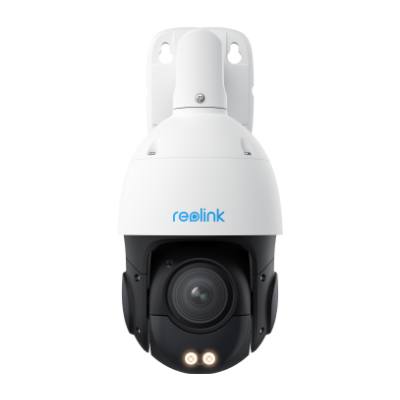
Smart 4K PTZ PoE Security Camera with 16X Optical Zoom
16X Optical Zoom, 360° Coverage in 4K UHD, Auto Tracking, Color Night Vision.
Overview of RLC-823A 16X
The RLC-823A 16× follows the same housing and 4K lens base yet boosts optical zoom to an impressive 16×. High-speed motors sweep faster, and auto tracking locks onto subjects as they move. This PTZ security camera extra reach lets installers mount the unit higher or farther from the action while still seeing fine detail on plates or faces.
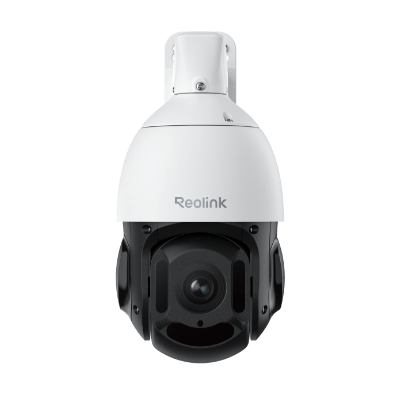
Smart 4K PTZ PoE Camera with 16X Zoom
4K 8MP Ultra HD; Person/Vehicle Detection; 16X Optical Zoom; Pan & Tilt; Two-Way Audio; 260ft IR Night Vision; Instant Alert; Live View; Power over Ethernet
Installation and Setup
Smooth first-time use starts with a clear setup route. I performed each step with the free Reolink phone app and a single Ethernet cable that supplies both data and power through PoE. The routine felt alike on both models, so newcomers will not face two learning curves.
RLC-823A
Open the app, tap the plus sign, and scan the QR code on the camera’s base. If the lighting is low, the app toggles the phone torch. Should scanning fail, type the 16-digit UID instead. Create a strong password, choose a room name, and wait a few seconds while the unit finishes. Live video appears right after, and the lens parks at the home position.
RLC-823A 16X
The 16× model repeats the steps above: add, scan, light if needed, manual UID as backup, password, name, and finish. The only extra note is to fix the bracket firmly because the longer zoom magnifies the shake. Once locked, the image pops up in the app in the same clear flow.
Real-World Performance and Test
Lab charts rarely reveal how a camera copes with wind, headlight glare, and busy yards. We mounted both units on the same pole, sent PoE from the same switch, and watched through the same phone for one month. This section breaks down the key points we saw.
Resolution
Both cameras record at 3840 × 2160 and 25 fps. The picture shows clean edges on bricks and car logos at default zoom. When we pulled the 5× lens to full reach, the view kept sharp lines, though slight noise crept in at night. The 16× version kept text crisp even at 40 feet, which the 5× could not match.
Night Vision
Spotlights switch on once motion starts after sunset, giving full-color frames to about 40 feet on the 5× and a bit farther on the 16× due to its tighter field of view. If you prefer covert work, disable the lights; in that case, infrared LEDs give clear, grey images with balanced exposure.
Coverage
With the lens parked at wide angle, both units cover roughly 105° horizontally. Pan rotation makes dead zones vanish. Tilt lets the sensor look from straight down to the horizon, so wall or soffit installs both work. The 16× zoom narrows the angle to grab distant spots, yet the motors still pan smoothly.
Auto-Tracking
The basic 5× model follows motion if you tap the follow toggle, but it returns to the start point slowly to avoid dizzy video. The 16× model moves quickly and clings to a person as long as the contrast stays good. We walked across a driveway, and the frame stuck with us until we lost sight.
Smart Features
Person, vehicle, and animal sorting cut false alarms. Our test yard has waving trees; the camera ignored them and pushed alerts only when a real object moved. You can schedule detection windows and set separate push sounds for each class, which helped me know what happened without opening the app.
Reolink App
The software lists live feeds in a grid, supports playback by timeline, and lets users pinch to zoom even during live view. PTZ controls sit at the bottom; a short swipe or four arrow buttons move the lens. Recordings save to an SD card or Reolink NVR and export in plain MP4 format with one tap.
RLC-823A vs. RLC-823A 16X: What’s the Difference?
Before you pick, weigh the features that separate the two siblings. A short list sheds light on the trade-offs.
- Optical zoom: 5× on the base model suits small yards. 16× on the higher tier reaches balconies across the street, keeping fine print visible.
- Motor speed: The 16× pan and tilt gears spin about twice as fast, so it can follow a running pet. The 5× feels steady but slower.
- Auto tracking logic: Both track, yet the 16× keeps the subject framed during bigger shifts thanks to its faster gears and tighter angle.
- Price: The 16× costs roughly one-third more, reflecting the stronger lens group.
- Mount stress: Extra glass adds weight. The 16× bracket must sit on solid brick or metal, while the 5× can hang from wood fascia without flex.
- Spotlight spread: Wider beam on the 5× lights, more ground close to the pole. The 16× beam stays narrow and bright directly ahead.
RLC-823A vs. RLC-823A 16X: Pros and Cons
When features overlap, a balanced sheet of gains and limits sorts them out. Let’s take a look at the common advantages and disadvantages of each camera:
RLC-823A: Pros
- Lower entry cost than the 16× sibling
- Wider spotlight flood for near-field color at night
- Lighter body eases soffit mounting
- 5× zoom keeps stable framing even on breezy poles
RLC-823A: Cons
- Slower auto-tracking may miss quick runners
- Narrower autofocus range shows softness beyond full zoom in low light
RLC-823A 16X: Pros
- Long 16× zoom captures distant detail
- Fast motors follow motion briskly
- Tight framing raises spotlight intensity on the target
- Same PoE wiring despite higher optics
RLC-823A 16X: Cons
- Higher price tag
- A heavier shell needs a sturdy mount
- A narrow beam may leave edges dim when zoomed out
Verdict: Which RLC-823A to Choose?
Choose the regular RLC-823A if your yard, storefront, or porch sits within 30 to 40 feet of the camera and you value a wide color flood at night on a modest budget. Pick the RLC-823A 16× when you must read fine detail far away, track fast objects, or plan to mount on a second-story wall. Both share the same app, alert types, and 4K base, so your decision rests on zoom reach and mount strength. Either way, PoE wiring and well-designed software make daily use smooth.
Search
Subscribe for the Latest Updates
Security insights & offers right into your inbox