
Phrogging Meaning: What It Is and Why It’s Dangerous
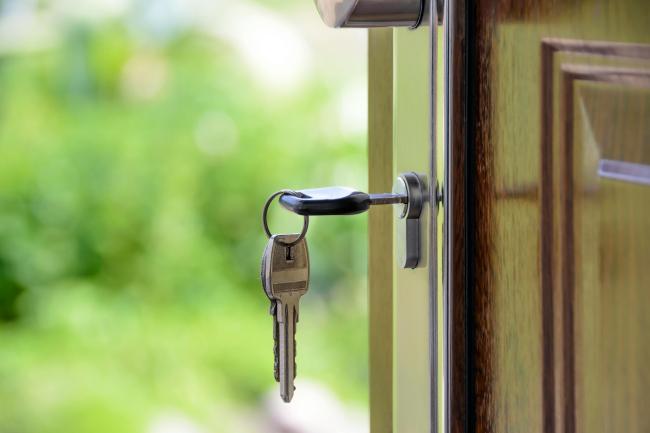
People secure doors, have alarms, and they think these act as a deterrent to unwanted visitors. Nonetheless, there is a background danger called phrogging that may overcome almost any standardized obstacle. The term seems fun at a glance, but the widespread concept has dangerous implications in terms of safety, privacy, and property.
In the following sections, we discuss the phrogging meaning, why it occurs, warning signals, legal facts, and give simple guidelines that can be implemented to ensure that the intruder does not make a private house their personal hideout.
What Is Phrogging?
Phrogging happens when an individual sneakily resides in a house inhabited by the owner, unaware of his/her presence. The secretive visitor can even slumber in an attic, a crawlspace, a closet, or even under a bed as the rightful occupants continue with their ordinary existence. Contrary to burglary, the intruder desires to have a long stay and not a fast robbery. As compared to squatting, the person selects a place that is already used by another person daily.
The name “phrogging” plays on the idea of a frog that “leaps” from place to place, staying long enough to feed or rest before moving on. Understanding the meaning of phrogging begins with this central fact: it is a deliberate, covert occupation that places residents in direct danger.
Key Aspects of Phrogging
- Stealth living: The intruder studies the homeowners’ habits, picks low-traffic zones, and restricts movement to hours when residents leave or sleep.
- Resource siphoning: Phroggers consume food, water, electricity, and personal items while trying to keep signs of use minimal.
- Psychological motive: Some seek thrills; others want shelter without payment; a few crave control over unknowing victims.
- Short-term or long-term stays: A few nights, weeks, or even months can pass before discovery.
- Digital clues: Modern phroggers may log into smart speakers or Wi-Fi to track routines or disable alerts.
Warning Signs of Phrogging in Your Home
- Items change position even after careful placement.
- Food disappears faster than expected, or wrappers appear in odd spots.
- Strange odors or body heat pockets linger in seldom-used rooms.
- Abrupt spikes in utility bills suggest unseen usage.
- Family members hear soft footsteps, doors closing, or taps draining at strange hours.
- Pets bark or stare at vents, ceilings, or behind walls with unusual focus.
- Personal data—mail, banking statements, or passwords—goes missing.
Is Phrogging Real?
Yes. Although there are a few cases, they have been documented in various states during the past 20 years. Homeowners who find strangers in their attic crawlspaces and basements are reported in the news. Others who caught the burglar on cameras, others who were in the process of renovating, found improvised bedding. The incidents prove that phrogging is not very common, but real damage is caused as intruders are usually armed with knives or other weapons and construct their ways out of the house. This awareness that phrogging occurs in real neighborhoods makes it important that one is vigilant.
Is Phrogging Illegal?
All states consider uninvited entry and secret residence as crimes. Some of the popular ones are criminal trespass, burglary, breaking and entering, theft of utilities, and intrusion of privacy. Different penalties are fines, which are large, as well as imprisonment, which lasts many years, depending on the intent, the goods stolen, and also the violence evidenced. Phrogging is considered worse than pure trespass by law enforcement due to its threat to personal safety in the sanctuary of a home. Courts do not go easy; the intention to conceal will exacerbate misconduct.
How to Protect Your Home from Phrogging?
Every day life usually makes people busy; however, it is important to construct a safe routine. Minor lapses in consciousness enable a hacker to sneak in unnoticed. Those gaps are temporarily closed by careful planning, which ensures that the frogging house target does not develop before it forms. The steps below provide understandable risk reduction actions at no high cost.
Secure All Entry Points
Lock all the doors and windows, such as the basement hatches and attic vents, even when they go on errands during the day. Solid deadbolts should be used in lieu of weak latches. Fit window pins that prevent the motion of the sash. When constructors make fresh openings in a pipe or cable, cover them with steel netting and caulk.
Install a Security Camera System
Visible cameras and systems deter secret dwellers because they fear recorded proof. Choose models that send phone alerts upon motion detection. Place lenses toward the back entrances, garages, and interior hallways that lead to storage spaces. Review footage weekly, not only after alarms.

4K 8-Channel PoE Security System
4 pcs 4K Ultra HD Security Cameras; 2TB HDD 8-Channel NVR for 24/7 Recording; Person/Vehicle Detection; Plug & Play; 2 Network Solutions.
Use Smart Lighting and Sound
Program indoor lights and radios to switch on at varied times. The random pattern suggests constant presence, making stealth harder. Smart plugs cost little and work with voice assistants or phone apps.
Conduct Regular Walk-Throughs
Check under the step ladders, under the stairs, under the house, under the large appliances, and closets at least once a month. Search bedding, food wrappers, clothing, or homemade tools. Make storage rooms easy to navigate such that new items are easily spotted.
Mind Spare Keys and Garage Openers
Do not conceal one of the keys under a flower pot or a mat. Rather than leave something behind with a responsible neighbor. Store car remote control keys in the house as opposed to the cars left in open areas at night.
What to Do If You Suspect Phrogging in Your Home?
Panic often clouds judgment; clear steps restore control. If odd events repeat and doubts grow, treat the situation as a possible threat. The following actions guide you from first suspicion to full resolution.
- Leave the premises calmly: Exit with family members and pets, then move to a safe place such as a neighbor’s porch or a locked car.
- Call law enforcement: Dial 911 and report possible intruder activity. Provide the exact address and describe the evidence you noticed.
- Do not confront the suspect: Hidden residents may carry weapons or react unpredictably. Wait for trained officers.
- Preserve evidence: Avoid touching moved items, footprints, or disturbed entry points. Officers will need untouched scenes to build a case.
- Notify neighbors: A quick text or door knock alerts them to watch their own property and aids police search patterns.
FAQs
How do you know if someone is phrogging?
Look for missing food, moved items, and unexplained noises. Check utility bills for sudden increases. Search hidden areas for bedding or trash. Monitor security footage. If signs repeat, treat the clues as serious and call the police rather than investigate alone.
What is the difference between phrogging and squatting?
Phrogging involves living secretly in an occupied home, hiding from residents. Squatting means openly staying in a vacant property, often while claiming some right to remain. Phroggers avoid discovery, while squatters may post signs or change locks to signal presence.
Conclusion
Phrogging presents a hidden but genuine threat that places personal safety, privacy, and finances at risk. We defined the phrogging meaning, outlined warning signs, examined legal facts, and offered practical steps that guard against unwanted dwellers. Share your thoughts below and tell us which tip you plan to use first; the exchange of experiences may keep another household safe.
Search
Subscribe for the Latest Updates
Security insights & offers right into your inbox