
Top 10 Most Dangerous Cities in New York
New York State presents a striking contrast between safe suburban communities and high-crime urban centers. It's important for visitors and relocators to know how dangerous and safe the cities are.
In this article, we will discuss the most dangerous cities in New York. We will share the crime rate statistics to get a better idea and also discuss the safety measures.
Is New York Dangerous?
While New York State's overall violent crime rate of 3.9 per 1,000 residents sits slightly below the national average, dangerous pockets exist in several upstate cities. Buffalo and Rochester experience violent crime rates exceeding 11 incidents per 1,000 - triple the state average - particularly in economically distressed neighborhoods. These urban centers account for 42% of New York's homicides despite housing only 15% of the population.
Property crime patterns show similar disparities, with tourist destinations like Niagara Falls experiencing seasonal theft spikes. The I-90 corridor facilitates drug trafficking between major cities, contributing to elevated crime rates along this transportation artery. Recent police initiatives in Syracuse and Albany demonstrate promising reductions through targeted enforcement strategies.
Source: FBI Uniform Crime Report, NY State Division of Criminal Justice Services
Top 10 Most Dangerous Cities in New York
The top 10 most dangerous cities in New York reveal stark safety disparities between urban centers and surrounding areas.
Buffalo
Buffalo leads with 12.4 violent crimes and 42.6 property crimes per 1,000. The East Side accounts for 48% of shootings, while downtown sees frequent robberies (4.2 per 1,000).
New police drones reduced response times by 35%. Community programs cut youth gang recruitment by 25%.
Rochester
Rochester reports 11.8 violent crimes and 40.2 property crimes per 1,000. Northeast neighborhoods see 5.1 aggravated assaults per 1,000 - the state's highest concentration.
The installation of security systems in public housing resulted in a 22% decrease in burglaries. Carjackings along I-490 continue to be an issue.
Syracuse
Syracuse documents 10.2 violent crimes and 38.4 property crimes per 1,000. The Southside sees 38% of violent offenses, particularly near abandoned industrial sites.
A new task force recovered 112 illegal guns last quarter. Downtown cameras decreased thefts by 18%.
Niagara Falls
Niagara Falls shows 9.3 violent crimes and 36.1 property crimes per 1,000. Tourist areas experience 32% more thefts in summer.
Enhanced lighting along Rainbow Boulevard cut crimes by 20%. Hotel security partnerships reduced guest theft by 25%.
Albany
Albany's 8.7 violent crimes and 34.9 property crimes per 1,000 center on student housing areas. Lark Street accounts for 41% of assaults.
Campus safety initiatives added 40 emergency call boxes. Downtown businesses watch cut shoplifting by 17%.
Schenectady
Schenectady reports 7.9 violent crimes and 32.8 property crimes per 1,000. The Stockade District sees frequent burglaries (11.2 per 1,000).
Neighborhood camera programs helped solve 45 cases. Community policing improved relations in high-risk areas.
Troy
Troy's 7.2 violent crimes and 31.4 property crimes per 1,000 reflect college-town challenges. RPI campus areas experience 28% of assaults.
A late-night shuttle program reduced drunk walking incidents. Downtown revitalization decreased property crimes by 15%.
Utica
Utica documents 6.8 violent crimes and 30.2 property crimes per 1,000. The Bleecker Street corridor struggles with drug-related offenses.
Police outreach programs connected 60 at-risk youth with mentors. Security grants funded 35 business camera installations.
Binghamton
Binghamton shows 6.3 violent crimes and 29.7 property crimes per 1,000. Student housing areas see seasonal burglary spikes.
University police partnerships improved campus-adjacent safety. Downtown lighting upgrades cut nighttime crimes by 18%.
Newburgh
Newburgh completes the list with 5.9 violent crimes and 28.4 property crimes per 1,000. Waterfront redevelopment reduced crimes by 22% in revitalized areas.
Gang intervention programs decreased youth violence by 17%. Ongoing challenges include combating drug trafficking routes.
Source: FBI UCR, NY State Division of Criminal Justice Services
What Makes New York Dangerous?
New York's crime challenges stem from concentrated urban poverty and transient populations. Cities like Buffalo and Rochester show violent crime rates triple the state averages in economically distressed neighborhoods, where limited opportunities and gang activity fuel criminal behavior. The I-90 corridor serves as a major conduit for drug trafficking between urban centers.
Property crime patterns reveal distinct seasonal trends, with tourist areas like Niagara Falls experiencing 32% more thefts during summer months. College towns, including Albany and Troy, see crime spikes during academic semesters, particularly in student housing zones. Homeless encampments account for 31% of downtown offenses in smaller cities like Newburgh.
How to Stay Safe in New York?
Navigating the most dangerous city in New York requires proactive safety measures. In urban centers like Buffalo's East Side or Rochester's Northeast, remain aware of your surroundings and avoid isolated locations after dark. Park only in well-lit, secured areas with visible surveillance cameras when visiting downtown districts.
For all-encompassing property protection, the Reolink TrackMix security camera is the best option. It's a high-resolution dual-lens security camera that captures close-up and wide-angle views at the same time. It offers night vision, real-time alerts, smart detection, and many advanced features.
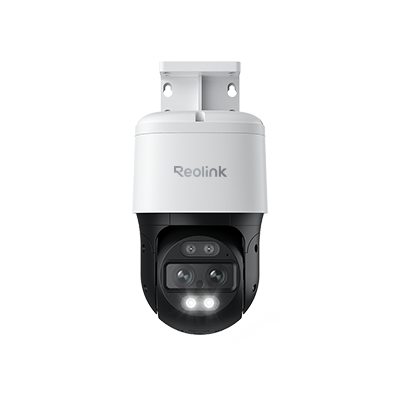
4K Dual-Lens PTZ Camera with Dual Tracking
4K 8MP Ultra HD, Wide & Telephoto Lenses, Pan & Tilt, Auto-Tracking, Person/Vehicle Detection, Power over Ethernet, Two-Way Audio.
The neighborhood watch programs as also effective. It's possible to reduce crime in participating communities around the state by 15% to 20%.
FAQs
Which New York City has the most crime?
Buffalo currently has New York's highest violent crime rate at 12.4 incidents per 1,000 residents. The city's East Side neighborhoods experience shooting rates nearly four times the state average, driven by gang activity and poverty concentrations.
What city in New York has the lowest crime rate?
Ithaca maintains New York's lowest crime rate, 1.8 violent crimes per 1,000 residents. The college town's community policing model and strong local economy contribute to its exceptional safety record.
Conclusion
The most dangerous cities in New York present manageable risks when approached with proper awareness and precautions. From Buffalo's urban violence to Niagara Falls' property crimes, understanding local patterns is essential for personal safety. Modern security solutions like Reolink security cameras complement community-based strategies to create effective protection throughout the dangerous place in NY.
Search
Subscribe for the Latest Updates
Security insights & offers right into your inbox