
Most Dangerous Cities in Kansas: Crime Hotspots Revealed
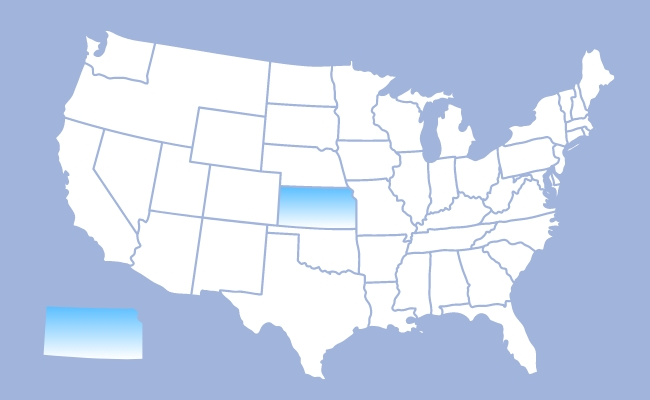
Have you ever wondered where crime hits hardest in the Sunflower State? While Kansas is famous for wide-open skies and friendly towns, some communities face higher levels of violence and theft than others. In this guide, we break down the most dangerous cities in Kansas and explain why these areas sit at the top of recent crime charts.
We will look at clear numbers, share trends, and offer simple safety tips. By the end, you will know which places law enforcement labels as the worst places to live in Kansas if your top goal is personal safety.
Where Does Kansas City Rank in the Most Dangerous Cities?
Kansas City, Kansas, often gets mistaken for its larger Missouri neighbor when people talk about crime. In reality, the Kansas side does not break into the top ten most dangerous cities statewide.
Recent FBI-based data show a violent-crime rate of about 5 incidents per 1,000 residents, roughly 500 per 100,000 people. That figure puts Kansas City outside the top twenty on statewide violence charts and far below leaders like Wichita and Topeka.
10 Most Dangerous Cities in Kansas
Before we dive in, keep two points in mind. First, the rankings come from the latest FBI Uniform Crime Reporting (UCR) release filtered by AreaVibes. Second, only cities with 5,000 or more residents are included, which explains why a few small but troubled towns do not appear. Now, let’s take a look at the most dangerous cities in Kansas:
1. Wichita
Wichita tops the list with 1,132 violent crimes per 100,000 residents—164 percent above the state average. Assault is the biggest concern (930 cases), followed by robbery (105) and rape (88). Ten homicides also appeared in the most recent annual count. Property crime is equally worrying at 5,865 incidents per 100,000. High poverty, gang activity, and busy nightlife districts fuel many offenses. While downtown renewal projects aim to lower risk, locals still face a 1-in-88 chance of becoming a victim of violence each year, making Wichita the toughest large city in Kansas.
2. Topeka
The state capital records 966 violent crimes per 100,000 residents, roughly 125 percent above the Kansas norm. Aggravated assault and domestic disputes drive much of the violence. Residents have a 1-in-104 chance of suffering a violent offense. Property crime sits near 5,053 per 100,000, so break-ins and car thefts are common. Although community policing and neighborhood-watch groups have grown, Topeka remains one of the worst places to live in Kansas for people who rank safety above all else.
3. Parsons
Home to fewer than 10,000 people, Parsons posts a striking 959 violent crimes per 100,000—123 percent higher than the state average. That equals 2.63 violent incidents per day in a very small population. Property offenses top 5,141 per 100,000. Limited job options, aging housing, and drug-trafficking routes contribute to the problem. For now, residents hold a 1-in-104 chance of violent victimization—worse odds than in many larger metro areas.
4. Iola
Iola records 759 violent crimes per 100,000 residents—77 percent above the state mean. Assault accounts for most cases (463), while robbery and rape also appear more often than in comparable towns. Though no murders were logged last year, property theft remains high at 4,388 incidents per 100,000. Economic stress and a shrinking workforce leave many youth vulnerable to gang recruitment, keeping Iola in the danger column.
5. Junction City
This Army-adjacent community posts 739 violent crimes per 100,000, about 72 percent higher than average. Assault dominates, followed by burglary and vehicle theft. Residents face a 1-in-135 chance of violence each year. Property crime stands at 3,793 per 100,000. Officials link many offenses to transient populations and the tight rental market near Fort Riley, though city leaders are funding more patrols and youth programs.
6. Chanute
Chanute sees 719 violent crimes per 100,000 residents, 67 percent above the state figure. With a population near 9,000, that equates to 1.97 violent crimes each day. Assault is common; rape and robbery also appear. Total crime reaches 3,441 per 100,000. Economic decline, aging infrastructure, and substance abuse issues keep Chanute high on the danger scale despite ongoing revitalization grants.
7. Newton
Newton’s violent-crime rate hits 716 per 100,000—again 67 percent above the Kansas average. Assault leads (557 cases), with 137 reported rapes and five homicides adding to the toll. Property crime is lower than in other top-ten cities at 2,704 per 100,000, yet locals still hold a 1-in-140 chance of violent victimization. The city is focusing on mental health outreach to curb repeat assaults.
8. Leavenworth
Known for its federal prison, Leavenworth registers 690 violent crimes per 100,000—61 percent over the state benchmark. Assault (544) and rape (70) drive the count, while homicides (5) remain rare. Property crime clocks in at 3,019 per 100,000. Military traffic from Fort Leavenworth expands the daytime population, straining police resources. The city recently rolled out license-plate cameras to deter car theft.
9. Independence
Independence tallies 633 violent crimes per 100,000, plus a steep 5,048 property crimes per 100,000. Residents carry a 1-in-158 chance of violent harm. Economic hardship and limited social services play a role, prompting local nonprofits to launch job-training drives aimed at cutting theft and assault rates in the coming years.
10. Coffeyville
Rounding out the list, Coffeyville posts 614 violent crimes per 100,000, 43 percent above the state mean. Assault (486) and rape (81) dominate, though no murders were logged recently. Property crime sits at 3,729 per 100,000. The city struggles with high vacancy rates and low household income, factors that often correlate with theft and vandalism. Community revitalization plans center on downtown redevelopment and youth engagement.
How We Ranked the Most Dangerous City in Kansas?
Our worst places to live in Kansas ranking relies on three basic, transparent steps:
- Data Source – We used the latest FBI Uniform Crime Reporting (UCR) numbers as compiled by AreaVibes. Only officially reported offenses count; estimates or social-media posts do not.
- City Size Filter – We included Kansas cities with at least 5,000 residents so that small towns with outlier events would not skew results.
- Violent-Crime Weight – The focus rests on violent incidents per 100,000 people (murder, rape, robbery, aggravated assault). Property crime, poverty rates, and policing levels add context but do not change the order unless two cities tie on violent-crime rates.
Crime Trends in Kansas
Statewide numbers tell a mixed story. The Kansas Bureau of Investigation notes that violent crime fell 3.7 percent from 2022 to 2023, dropping to 4.5 incidents per 1,000 residents. Murder and robbery saw modest declines, while rape reports fell 12.6 percent.
At the same time, property crime climbed 2.6 percent, driven by a 4.8 percent spike in motor-vehicle theft. Overall crime index totals moved from 26.7 to 27 offenses per 1,000 people. The KBI points out that property crimes often go unreported, so the real figure may be higher. Police leaders in Wichita and Kansas City warn that auto-theft rings have grown more sophisticated, using key-fob cloning and fast resale channels across state lines.
How to Stay Safe in the Most Dangerous Towns in Kansas?
Follow these steps and encourage neighbors to do the same; collective action lowers risk faster than solo efforts.
- Know the Hot Zones – Check local police heat maps before renting or traveling.
- Light Your Property – Bright porch lights and motion sensors cut nighttime break-ins.
- Lock Cars and Remove Valuables – Most Kansas towns report vehicle theft as their fastest-growing crime.
- Join a Neighborhood Watch – Even small groups that share tips through apps or text threads deter burglars.
- Secure Guns Properly – Stolen firearms fuel assaults; use locking safes.
- Avoid Late-Night Gas Stations Alone – Robberies often target isolated pumps after midnight.
- Report Suspicious Activity Right Away – Quick calls help police find patterns and step up patrols.
Installing security cameras is a great way to boost your home’s safety. Explore Reolink cameras for added peace of mind.

4K Dual-Lens PTZ Camera with Dual Tracking
4K 8MP Ultra HD, Wide & Telephoto Lenses, Pan & Tilt, Auto-Tracking, Person/Vehicle Detection, Power over Ethernet, Two-Way Audio.
FAQs
What is the safest city in Kansas?
Recent statewide rankings name Andover, Prairie Village, and Leawood among the safest, each posting violent-crime rates below 1 incident per 1,000 residents. These suburbs invest heavily in community policing and benefit from strong household incomes, which often correspond to lower theft and assault numbers.
Which 10 cities have the highest crime rate?
The current list is: Wichita, Topeka, Parsons, Iola, Junction City, Chanute, Newton, Leavenworth, Independence, and Coffeyville—ranked by violent-crime rate per 100,000 residents. These places together form the core “most dangerous cities in Kansas” and should be approached with added caution.
What areas to avoid in Kansas City?
On the Kansas side, neighborhoods near the central-city corridor—especially east of I-635—see higher robbery and car-theft counts. On the Missouri side, sections along Prospect Avenue and Independence Avenue report the most shootings. Always review the latest police blotter before making plans.
Conclusion
Kansas remains a welcoming state, but crime risk is far from even. Wichita, Topeka, and a handful of smaller towns carry the heaviest burden, making them the worst places to live in Kansas if personal safety ranks first. Violent crime is trending down statewide, yet property offenses—especially car theft—are ticking up.
Knowing the facts helps you stay alert, plan smart moves, and push leaders for change. Have insights about crime in your Kansas town? Share your thoughts with us in the comment section
Search
Subscribe for the Latest Updates
Security insights & offers right into your inbox