
Most Dangerous Animal in the World: The Real #1 Killer
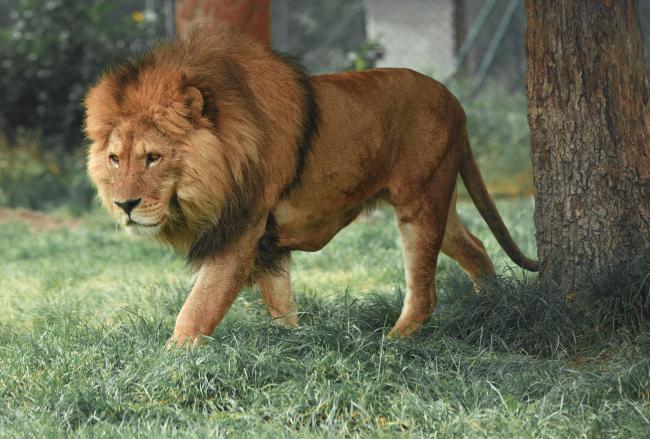
When they hear of the deadliest animal in the world, people tend to think about such big predators as sharks or lions. But the reality turns to something much lesser. This small animal kills many more people annually. In this article, the author examines the true danger of an animal. It discloses the actual number one murderer among them as well.
What Is the Most Dangerous Animal in the World?
The mosquito is considered to be the most dangerous animal in the world. It transmits such diseases as malaria, dengue fever, and Zika virus. Hundreds of thousands are killed by these diseases every year. Large animals strike human beings head-on. But through their bites, the mosquitoes damage human beings by spreading diseases.
10 Most Dangerous Animals in the World
There are numerous animals that pose threats to human beings. There are those that cause more death and injuries than others. To a large extent, it is their behavior, venom, or ability to transmit diseases. In this section, the author focuses on the top 10 most dangerous animals on Earth.
1. Mosquito
Mosquitoes come first in the list as they are vectors of fatal illnesses. Mosquitoes that are female bite humans in order to obtain their eggs. In the process, they transmit parasites or viruses. The death toll due to malaria is more than 400,000 each year. These deaths mostly occur in tropical regions. The breeding of these insects is in standing water. Hence, high outbreaks occur in areas with inadequate drainage. Where they have access to them, people defend themselves with nets, repellents, and vaccines. In the absence of management, the population of mosquitoes increases rapidly. They bring diseases in their path.
2. Snake
The reason why snakes are ranked second as dangerous animals is due to their biting nature, which is venomous. Such species as the inland taipan or black mamba provide toxins. These toxins prevent the heart from beating or bring about bleeding. Rural Asian and African farmers are usually exposed to snakes in the fields. This results in death of thousands annually. There are a number of types of antivenom. However, remote locations have limited access for people. Threats tend to make snakes bite. Therefore, people put on boots in order to reduce risks by not going into tall grass.
3. Dog
Dogs are also ranked high as they spread rabies through bites. In developing countries, the greatest threat would be posed by the stray dogs. The virus attacks the brain. Almost untreated, it almost always kills. Rabies kills more than 59000 people annually. The children are the most exposed. Dog vaccination programs also assist in the control. However, owners should have pets on a leash also. First aid prevents fatalities. The disease does not establish itself because of shots.
4. Tsetse Fly
Sleeping sickness is transmitted in Africa by the tsetse flies. Parasites are injected into them with bites. These malaria parasites infest the nervous system. They result in confusion, sleeping difficulties, and death if they are not treated. Approximately 10,000 cases occur annually. The rural communities are the most affected by rivers. Meanwhile, control is comprised of traps and insecticides. They reduce fly numbers. Individuals of the afflicted regions put on protective attire. During the day, they do not go to bushy areas because flies are active.
5. Assassin Bug
Chagas disease is transmitted by assassin bugs. The condition destroys the digestive system and heart over time. The bugs bite at night. They defecate near the wound. This enables parasites to get into the body. Latin Americans live with millions of people having this illness. It also kills one in every 10,000 people annually. The houses that have walls with cracks appeal to these bugs. So individuals close buildings to avoid access. Treatment can be done through early detection by blood tests. Drugs kill the parasites.
6. Freshwater Snail
Parasites are found in the freshwater snails. It is a schistosomiasis brought about by these parasites. The disease afflicts the liver and the bladder. Individuals are infected through swimming in polluted water. Penetration of larvae occurs at that point. This is experienced by more than 200 million globally. Thousands die each year. Control implies treating water sources. Societies learn how to shun unfriendly lakes or rivers. Infections can be cured with medications provided that a physician discovers them in time.
7. Ascaris Roundworm
Ascaris roundworms infect the intestines. People ingest eggs from contaminated soil or food. The worms cause malnutrition and blockages. This leads to death in severe cases. Children in areas with poor sanitation face the most danger. Over a billion infections happen globally. Simple hygiene, like handwashing, prevents spread. People cook food well, too. Deworming pills clear the parasites in an effective way.
8. Tapeworm
Tapeworms enter the body through undercooked meat. They grow in the gut. The worms steal nutrients. In rare cases, larvae move to the brain. They cause cysts and seizures. Thousands die from complications each year. Regions with poor meat inspection see more cases. People cook meat thoroughly to kill the eggs. Good hygiene stops the cycle. Doctors use drugs to expel the worms.
9. Crocodile
Crocodiles attack humans near the water's edge. They use powerful jaws. Species like the Nile crocodile kill hundreds in Africa each year. They drag victims underwater. Crocodiles lurk in rivers and lakes. They ambush prey. Fences and warning signs help in populated areas. But people must stay alert. They avoid swimming in known habitats.
10. Hippopotamus
Hippos charge on land or in water when they feel threatened. They use their massive teeth. In Africa, hippos cause more deaths than many predators. They often overturn boats. Their territorial nature makes them hard to predict. People keep a distance from groups. They use guides in wildlife areas to avoid meetings.
1st Most Dangerous Animal in the World by Continent
Danger levels change by location. Different animals live in specific climates and lands. This part checks the top dangerous animal for each major continent.
Africa: Hippopotamus
In Africa, the hippopotamus claims the spot as the most dangerous. These large herbivores spend days in water. They graze at night. But they attack boats or people who get too close. Their speed on land surprises many. Bites crush bones. Rivers like the Nile host large groups. So locals build barriers. They use spotlights for safety.
Asia: Snake
Snakes take the lead in Asia. High numbers of people live there. Venomous species like cobras add to the risk. Bites happen in farms and villages. Rural spots have limited medical help. Education on first aid cuts deaths. Antivenom distribution helps, too.
Australia: Box Jellyfish
The box jellyfish rules as Australia's top danger. Its potent venom stops the heart. Swimmers in northern waters face stings from tentacles. This causes pain and death. Vinegar makes the venom harmless. Nets on beaches give protection.
Europe: Wolf
Wolves in Europe create risks through rare attacks. Rabies from infected ones adds danger. Forest areas see fights with livestock. This leads to human meetings. Management includes tracking collars. Workers move wolves to cut threats.
North America: Bear
Bears stand out in North America. Grizzlies maul hikers who surprise them. Food storage rules in parks stop attraction. Bear spray offers defense. Most attacks come from protecting cubs.
South America: Jaguar
Jaguars in South America ambush prey. They use strong bites to the skull. Cutting down forests brings them closer to humans. This increases fights. Conservation efforts protect homes. They reduce conflicts.
Antarctica: Leopard Seal
Leopard seals in Antarctica hunt penguins. But they attack divers or boats. Their sharp teeth and speed in water make them strong. Researchers use cages for underwater work. This keeps them safe.
How Scientists Define the “Most Dangerous” Animal?
Experts look past size or strength when they rank animal dangers. They think about factors like death rates and disease spread. This section outlines key points scientists use.
-
Number of Human Deaths: Scientists count yearly deaths from attacks or diseases. Mosquitoes lead because they kill over a million people each year through illnesses like malaria.
-
Ability to Spread Diseases: Animals that carry germs rank higher. Insects like flies send parasites. These affect large groups without direct touch.
-
Aggressiveness Toward Humans: Creatures that attack without reason score high. Hippos charge often. This makes them more dangerous than calm animals.
-
Venom or Toxin Strength: The power of poisons matters. Snakes with fast venom cause quick deaths if untreated.
-
Habitat Overlap with Humans: Animals in crowded areas create greater risks. Dogs live near people. This increases rabies cases.
How to Secure Your Home from the World’s Most Dangerous Animals?
Protection begins at home. Simple steps block entry for risky creatures. This part shares tips to keep dangerous animals out. We detail how it works for better safety.
-
Seal Cracks and Gaps: Check walls and doors for openings. Insects or snakes enter there. Use caulk or mesh to close them. This stops bugs like assassin bugs from nesting inside.
-
Use Insect Screens: Install screens on windows and vents. They block mosquitoes and flies. Air flows through. This cuts disease risks.
-
Remove Standing Water: Clear puddles or containers that hold water. This stops mosquito breeding. It lowers the chances of water parasites.
-
Store Food Properly: Keep trash and food in sealed bins. This keeps away rodents or dogs that carry diseases. It maintains a clean space.
-
Install Fences: Build strong barriers around yards. They keep out larger animals like crocodiles in bad areas. This adds defense.
FAQs
What is the #1 most dangerous animal in the world?
The mosquito holds the title as the #1 most dangerous animal in the world. It spreads diseases such as malaria and dengue. These kill over 600,000 people each year. Bites happen mainly at dusk. Control involves getting rid of breeding sites. Vaccines and nets offer protection in high-risk zones. People in tropical areas face the biggest threats from these insects.
What are the top 5 predators?
The top 5 predators include lions. Lions hunt in packs for large prey. Tigers come next. They use stealth in forests. Great white sharks ambush seals in oceans. Polar bears stalk seals on ice. Orcas coordinate to take down whales. Each one adapts to its place for survival. These animals show strong hunting skills in their homes.
What animal has only 100 left?
The Amur leopard has only about 100 left in the wild. Habitat loss and poaching threaten this cat in Russia and China. Conservation includes protected reserves. Anti-poaching patrols help too. Breeding programs in zoos aim to boost numbers. They plan for future release. Efforts focus on saving this rare animal from dying out.
Conclusion
This article covered the deadliest animal in the world. It started with the mosquito as the real number one killer. We listed the top 10 dangerous animals. We broke down threats by continent. We explained scientific points. We shared home safety tips. What do you think about these rankings? Share your opinions below.
Search
Subscribe for the Latest Updates
Security insights & offers right into your inbox