
Incandescent vs LED: What’s the Difference?
Many people choose between incandescent light bulbs and LED lights for their homes or offices. This article examines the incandescent light bulb vs LED. It helps you see what makes them different. You will read about their basic features, main differences, and other details. This information lets you decide better.
LED vs. Incandescent: Understanding the Basics
First, you should learn what each bulb type is and how it operates. Both incandescent bulbs and LED bulbs create light. But they use different methods. This section covers the basics. It shows the base of their differences.
What is a LED light bulb?
An LED light bulb means Light Emitting Diode. It has a small chip. Materials in the chip make light when electricity goes through them. The chip is the diode. It lights up without much heat. The process starts when you flip the switch. Current flows into the diode. Electrons move inside the diode. They release energy as light. Special semiconductors in the diode allow this.
What is an incandescent bulb?
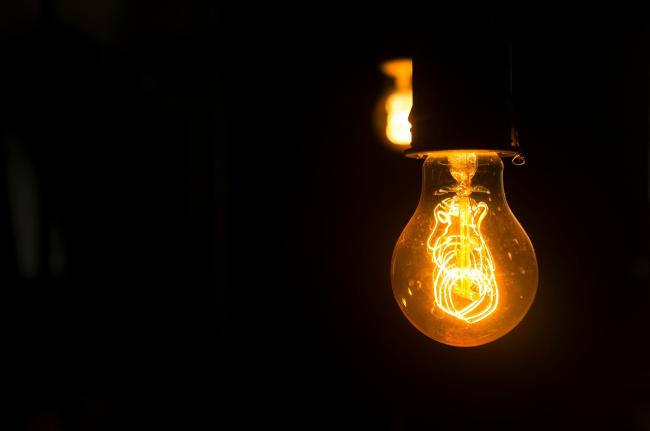
An incandescent bulb is the old-style light bulb. Many people knew it from childhood. It heats a thin wire inside. The wire glows and makes light. People call the wire a filament. Tungsten often forms it. You turn on the light. Electricity runs through the filament. It gets very hot. The heat makes the filament send out light. This lights the bulb.
Incandescent vs LED: Key Differences
You now know the basics. Next, see how incandescent bulbs differ from LED bulbs in big ways. These differences guide your bulb choice. Main differences cover brightness, light quality, lifespan, efficiency, cost, and effects on the environment. Each area matters for daily use and value over time. Incandescent bulb vs LED talks often call LEDs more current. But both fit some spots.
Brightness
Brightness shows how much light comes from a bulb. People measure it in lumens. Incandescent bulbs use watt ratings. But you compare them to LEDs with equivalents. A 60-watt incandescent bulb makes about 800 lumens. An LED needs only 9 watts for that brightness. LEDs give the same light with less power. A bright LED floodlight can also be paired with security cameras to enhance visibility at night.
Incandescent bulbs dim a bit as the filament wears. LEDs hold steady brightness for most of their time. LEDs offer many brightness levels. They go from soft night lights to strong floodlights. Incandescent bulbs have brightness choices, too. But they are limited without high energy.
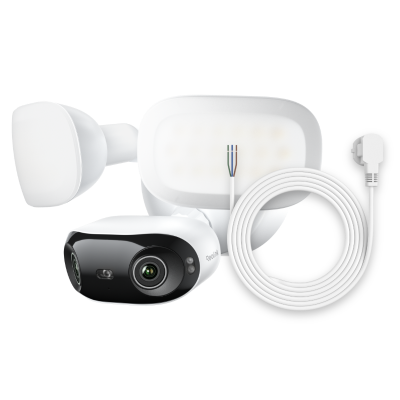
4K 180° Ultra-Wide Wired Floodlight Security Camera
3000-Lumen Dimmable Lighting, Adjustable Color Temperature, Local AI Video Search, Local Storage, Dual-Band Wi-Fi 6.
Light quality
Light quality means how the light appears and feels. Incandescent bulbs create warm, natural light. It copies evening sunlight. Colors look real. Rooms feel welcoming. The color temperature sits around 2700 Kelvin. It looks yellowish.
LEDs can copy this warm light. Or they make cooler tones. Daylight reaches 5000 Kelvin. Old LEDs had harsh blue light. Now they give better quality. You pick LEDs with a high Color Rendering Index or CRI. This shows a color reveal. A CRI above 80 works for most. Some LEDs hit 90 or higher.
Incandescent bulbs hold a perfect CRI of 100. They do best at true colors. Artists or fashion workers like them for this. LEDs get better each year. Many now match incandescent quality. Your choice rests on the room use and the light tone you like.
Lifespan
Lifespan shows how long a bulb works before it changes. Incandescent bulbs last about 1,000 hours. Use them for three hours daily. That equals around one year. Heat cycles burn out the filament.
LED bulbs last much longer. They reach 25,000 hours or more. At three hours a day, that means over 20 years. The diode avoids burning like a filament. It dims slowly. Long life cuts bulb changes. This helps in tough spots like high ceilings.
Efficiency
Efficiency checks light per energy unit. Incandescent bulbs lack efficiency. Most energy becomes heat, not light. About 10% turns to light. The rest is waste as heat. A 60-watt bulb takes 60 watts for 800 lumens.
LEDs show high efficiency. They turn 90% or more energy into light. The same 800 lumens come from 9 watts. This cuts electric bills over time. In warm places, LEDs lower air cooling needs. They make little heat.
Cost
Cost covers start price and ongoing bills. Incandescent bulbs sell cheaply. Often under a dollar each. But short life and high energy make them costly later. Changes and electric pay add up.
LED bulbs start higher. Maybe $2 to $5 each. But costs fell. Long life and low energy save cash. Over 10 years, LEDs can save hundreds on bills and new bulbs. Known brands give better value.
Environmental impacts
Environmental impacts check bulb effects on Earth. Incandescent bulbs take more energy. This raises carbon from power spots. They make more trash from changes. Glass and metal are recyclable. But many go to dumps.
Incandescent Bulb vs LED: Comparison Table
A table makes differences easy to see. It compares incandescent bulbs vs LED quickly. This gathers the main points from before.
Incandescent vs LED: Pros and Cons
Differences aside, weigh the good and bad points of each. This aids your choice for your case. Both have strong and weak sides. They fit different uses.
Incandescent Light Bulbs: Pros and Cons
Pros:
- Very low purchase price each time
- Works with any old-style dimmer switch
- Gives off instant heat in cold tool sheds and chicken coops
- Familiar warm tone without the need to shop for color codes
Cons:
- A short life leads to many bulb changes
- High electric bill adds up over time
- Hot glass can burn fingers or melt plastic fixtures
- Most of the energy turns into waste heat instead of light
LED Bulbs: Pros and Cons
Pros:
- Uses about one-tenth the energy of an incandescent for the same brightness
- Lasts several years, cutting time spent on ladders or calling a service crew
- Runs much cooler, safer in closed lamps or near drapes
- Wide selection of colors, shapes, and smart wifi controls
- Price has fallen and keeps falling
Cons:
- Higher upfront price, though it pays back quickly
- The chosen color must be checked on the package; no single default
- Some cheap brands flicker or buzz on old dimmers
- Requires special e-waste disposal at the end of life
Incandescent vs LED Christmas Lights: Which Is Better?
Holiday lighting often drips across rooflines or tree branches for weeks each winter. When you open the storage box from last year, you may ask the question again: LED vs incandescent Christmas lights.
Incandescent strands still sell because the bulbs look like the old glass candles many grew up with. Their warm glow feels traditional in living room settings. That may not feel large, but neighbors who outline every porch and tree with ten strands face five extra dollars per month.
An LED Christmas string that gives the same look uses three to four watts total for 100 lights. Ten strands now consume only 30–40 watts, cutting the bill by more than half compared with incandescent. Add two major gifts: the plastic LED lamps do not break when the ladder bumps them, and the set rarely fails after only one season. The higher brand price at the hobby store evens out when you store the same LEDs year after year.
FAQs
Which is better, incandescent or LED?
LEDs work better for most situations. They save energy, last longer, and cut costs over time. Incandescent bulbs fit when you want cheap, warm light for short use. LEDs reduce bills and changes. They stay cool and safe. Incandescent bulbs give natural light but waste energy. Choose based on your needs, like room type or budget. LEDs often win in daily life.
Why do people prefer incandescent bulbs?
People like incandescent bulbs for their natural warm light and low start-up cost. Some say the color suits rooms or tasks better. The yellowish tone feels cozy like old times. They dim easily without special switches. In art or clothes work, true colors matter. Even with higher bills, the familiar feel keeps some loyal. But as LEDs improve, fewer stick with old bulbs.
What is a 40 watt LED equivalent to incandescent?
A 40-watt incandescent bulb makes about 450 lumens. An LED matches this with around 5-6 watts. This saves a lot of energy. Look for LED packages that say "40W equivalent." They give the same brightness but use less power. This cuts bills without losing light. Check lumens to confirm. LEDs keep their brightness steady longer than incandescent bulbs.
How do I know if my lights are LED or incandescent?
Look at the bulb to tell. Incandescent shows a filament wire in glass. LEDs have a chip or small light group, often under plastic. Check base labels for "LED" or watt equivalents. Incandescent feels hot when on. LEDs stay cool. If it lasts years, likely LED. Short life points to incandescent. Packages or boxes also say the type.
Conclusion
This article went over the incandescent light bulb vs LED. It started with basics and moved to differences like brightness, light quality, lifespan, efficiency, cost, and environmental effects. It included good and bad points, plus Christmas light use. LEDs often lead to current needs. But incandescent holds some like. What do you say about incandescent vs LED? Tell your thoughts in comments.
Search
Subscribe for the Latest Updates
Security insights & offers right into your inbox