
How to Get a Broken Key Out of a Lock (Expert Guide)
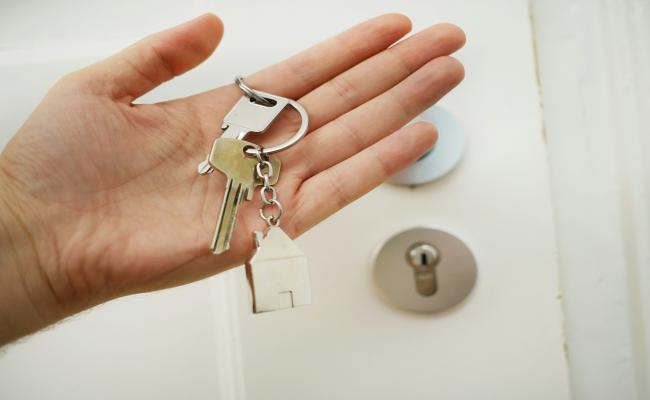
A lock key breaks at the most inconvenient time, when it may be a rush to work or when coming home late, or during rainy seasons. The jagged fragment holds onto the pins and turns an issue of entry into an actual problem requiring reasonable hands and cold-blooded steps.
This is an expert guide to how to rremove broken key from lock without damaging the cylinder. You would find out how to remove a broken key from a lock using simple tools, which tricks prevail to secure the locking pins, and when a locksmith can be of use.
What to Do Immediately When a Key Breaks in a Lock?
A sudden pull or rough twisting can push the fragment further. Efforts to ensure that the door remains firm and the lock remains in its position. The cylinder has to be placed at the same position where the key broke, otherwise the fragment will become more attached.
-
Keep the door steady: Hold the knob or handle so the lock does not shift. A steady door stops extra strain on the fragment.
-
Turn off tension: Turn the key head or knob back to the neutral slot. A lock in the open or locked spot clamps the key in place.
-
Mark the edge of the fragment: If the broken tip sticks out, note its line. This mark guides you to pull straight and avoid twisting.
-
Locate small tools: Find a pair of needle-nose pliers, a thin flathead screwdriver, and a can of graphite or silicone lube. A paper clip, a bobby pin, or a disemboweled key extractor will come in handy later.
-
Add dry lubricant: Spray a small puff of a lubricant (graphite or silicone) into the keyway. Lubricant reduces friction and covers the lock pins when working.
How to Get a Broken Key Out of a Lock?
Each situation changes with how far the fragment sits, its angle, and the type of lock. Choose the group below that fits your scene, then follow the steps. Remove broken key from lock with patience rather than force.
For Protruding Keys (Key Sticking Out of the Lock)
-
Grip the fragment with needle-nose pliers or slim tweezers close to the face of the lock.
-
Pull straight toward you. Do not twist because twisting widens the break and roughens the edges.
-
Add a small puff of graphite or silicone lube while holding the pliers.
-
If fingers slip, slide a broken key extractor beside the fragment, hook its tooth behind the first cut, and drag both out together.
For Flush or Deep Keys (Key Broken Inside the Lock)
-
Slide a thin broken key extractor along the key groove until the tip hooks the first cut.
-
Lacking an extractor, shape a paper clip or bobby pin into a tight hook and reach beside the fragment.
-
Spray a brief shot of lube to cut drag inside the keyway.
-
Twist the lock back to the neutral slot if it moved. The pins relax in neutral and free the fragment. Pull the extractor straight out.
For Keys Jammed or Wedged at an Angle
-
Insert a mini flathead screwdriver above the key fragment and lift gently. This motion lines the fragment with the keyway.
-
Keep light pressure, then slide a broken key extractor beside the fragment and hook it.
-
Pull both tools out together, keeping the fragment straight.
For Broken Keys in Car Locks or High-Security Locks
-
Call a licensed locksmith: Modern car locks and high-security cylinders use side bars, wafers, or complex pin stacks. DIY picks may harm these parts.
-
Avoid home tools: A slim-jim, paper clip, or cheap extractor may bend in tight wafers and scratch the code path. This scratch can raise future repair costs.
For Severely Damaged or Corroded Keys
-
Coat the keyway with extra lubricant to float rust flakes.
-
Tap the cylinder face once with a plastic tool handle. The tap shakes loose grit inside.
-
Use an extractor or hook to move the fragment in short pulls—about one-eighth of an inch each time.
-
Stop at the first sign of metal dust or flakes. Dust means the fragments or pins are shaving, and you risk worse harm. Call a locksmith if dust shows.

Smart 5MP Video Doorbell with Chime
5MP Super HD Day & Night, Person Detection, 2.4/5 GHz Dual-Band WiFi, 180° Diagonal Viewing Angle, Two-Way Audio, Rich Notification.
What Not to Do When Getting Broken Key Out Of Door Lock?
A cool head saves the lock. Rushed tricks often wedge the fragment deeper and break pins.
-
Do not hit the key with a hammer: Impact drives the fragment deep and can crack the cylinder face.
-
Do not pour oil-based grease: Thick grease traps dirt and gums up springs.
-
Do not spray canned air upside-down: Cold propellant chills metal, causes instant frost, and cracks older brass.
-
Do not pry with a knife tip: Knife edges flare key slots and scratch pins.
-
Do not keep twisting the key head: Continued torque bends the broken part and sets uneven stress on the plug.
How to Prevent a Key from Breaking in a Lock?
Routine care means fewer surprises. A firm schedule and simple checks can keep the metal strong and keep the cylinder smooth.
-
Lubricate locks every six months: Use a graphite stick or silicone spray. Skip oil that attracts grit.
-
Replace worn keys: Inspect cuts for thin edges or shiny gouges. Copy a fresh key at the first sign of wear.
-
Keep weight off the key ring: Heavy rings pull on the key inside the lock and create side stress.
-
Turn keys with steady pressure: Fast jerks twist the shaft. A smooth, straight turn keeps metal true.
-
Install video doorbell or front door camera: To avoid lock related issues in the future, installing a video doorbell or front door camera can add an extra layer of security. These devices let you monitor your entryway in real time and keep a visual record of any unusual activity.
-
Clear debris from outdoor locks: Blow compressed air into door, shed, and padlock cylinders. Dirt grains act like sandpaper on pins.
FAQs
How to remove a key that broke off in a lock?
Hold the door steady, turn the plug to neutral, add graphite, and choose a slim extractor or bent paper clip. Hook the first key cut, then pull straight out with gentle, equal force. Stop if the fragment sticks and add more lubricant before another pull.
How do you get a broken key out of a lock with a paperclip?
Roll a big paper clip into a tight J-hook. Knead it until the hook has reached the first cut by sliding it next to the key fragment along the side groove. Turn the clip in such a way that the hook reaches the cut and then start pulling out in a straight line, but take care not to dislodge the plug using the other hand.
Can a magnet pull a broken key out of a lock?
Even a useful object of nickel-silver can be moved by a powerful rare-earth magnet, but it rarely clutches it to such an extent that it can be pulled out. The majority of house keys are made of brass that is non-magnetic. With graphite lubricant, hook, and steel fragments, the control becomes more reliable with a hook and graphite lubricant compared to the control with a magnet.
Conclusion
Now you know how to use easy steps in unlocking a door that has a broken key. Rapid and steady, the correct lubricant and the right tool make it easy to pull out a broken key from a lock intact. Use no violent force, use the prevention checklist, and call a locksmith when it gets complicated. These are habits that keep the key and the cylinder over a span of years.
Search
Subscribe for the Latest Updates
Security insights & offers right into your inbox