
How to Electrify a Fence: Step-by-Step Guide for Beginners

An electric security fence installed across your property boundary acts as a successful security solution to keep out unauthorized visitors. Electric fences deliver non-harmful electric energy that deters any unauthorized entrance to protected areas. You can electrify your fence through self-installation using proper materials along with basic DIY skills, but professional installation delivers the best outcomes. This guide will demonstrate the steps for how to electrify a fence for enhanced property security.
Can You Electrify a Chain Link Fence?
Yes, you can electrify a chain link fence. Chain link stands as a top fencing material because it delivers both durability and low maintenance alongside clear visibility.
The diamond pattern of chain link fencing allows for simple electrification procedures. You can insert electric fence wires into the spaces between chain link fence sections. Plastic offsets serve as the essential component to stop metal from touching electric fence wires when installed on chain link fences.
How to Electrify a Fence?
Electrifying any type of security electric fence involves a few key steps. Here is how to electrify a fence for security:
1. Choose an Electric Fence Charger
Electric fence power comes from the fence charger, which professionals also name an energizer. Selecting a charger means choosing one with a suitable voltage and joule capacity to electrify your desired perimeter area.
When operating at voltages exceeding 10,000V, the shock strength increases, which enables coverage of extended fences as well as thick vegetation areas. But anything from a few thousand volts up is typically enough to deter an intruder.For most standard residential applications, a basic plug-in or solar-powered charger is sufficient.
2. Install Grounding Rods
The fence charger requires grounding rods, which serve as metal stakes produced from copper or bronze, or galvanized steel that you embed into the soil near the fence charger.
Grounding allows electric charge to find a secure path toward completing an electrical circuit, which stops both fires and damage from lightning strikes. Install one or more ground rods as per your charger’s recommendations.
3. Mount the Charger
Mount your electric fence charger on a wall or sturdy post near an outdoor electrical outlet, or a solar panel if using a solar unit. The charger should be sheltered and high enough off the ground to stay dry and safe from tampering.
4. Run the Electric Fence Wire
You have options when it comes to running the electrified wiring along your fence. In most cases, you’ll want high-tensile electric fence wire made of stainless steel or aluminum. But you can also use electric fence tape or rope.
Run the electric wire along fence posts using insulated offset brackets to prevent any metal contact with your fence. Weave or clip the wire through chain link fencing using plastic offsets. Use end/corner/gate posts designed for electric fencing at any turns or access points. Make sure the number of wires meets the spacing guidelines for your charger voltage.
5. Test the Electric Fence
Once everything is installed, turn on your electric fence charger per its instructions. Then use a volt meter to check that adequate voltage is reaching the fence wires across your entire perimeter.
You want at least 3,000 volts for an effective shock deterrent. If the voltage is too low in any areas, check for faulty wiring connections, damaged insulation, or vegetation contact, and make fixes as needed. And just like that, your electrified fence should be good to go! Be sure to check it regularly and maintain clear vegetation to prevent shorts or power drains over time.
How to Electrify a Chain Link Fence?
Here are the step-by-step instructions for electrifying an electric chain link fence specifically:
Gather the Required Materials
You’ll need:
- Electric fence charger
- Grounding rods and clamps
- Insulated wire (electric fence wire or tape)
- Plastic chain link offsets
- Tension bands, wire ties
- Volt meter
- Other basic tools
Install the Charger and Grounding
Follow the initial steps above to choose your charger, install ground rods, and mount the energizer.
Weave the Electrified Wire
Run your electric fence wire horizontally along the top and bottom of the fence, weaving it through the chain link gaps using the plastic offsets. Space the wire evenly, keeping at least 2 inches from the fence to avoid any metal contact. Use wire ties to securely fasten the offsets and electric wire to the chain link.
Test Voltage & Energize
Check the voltage across the entire fence line with your volt meter before energizing the system. Then turn on the charger per its instructions once you’ve confirmed adequate voltage. Your chain link fence is now electrified and ready to zap any unwanted climbers or cutters.
How Much Does it Cost to Electrify a Fence?
Electrifying an existing fence typically costs $500 to $1,500 in materials, plus labor if hiring an installer. Exact electric fence prices depend on:
- Fence length - More wire and components needed for longer perimeters
- Charger type - Solar chargers cost more than plug-in chargers
- Power level - Higher joule/voltage models are pricier
- Professional vs. DIY - Pro installation adds $800+ in labor fees
Here is a rough breakdown for a DIY chain link fence install:
- Fence Charger - $100 to $500
- Grounding Equipment - $50 to $100
- 500 ft of Electric Fence Wire - $60 to $100
- Plastic Offsets & Fasteners - $50 to $150
- Other Tools/Materials - $50 to $100+
Total: $300 to $1,000, not counting the fence itself
Why Need Electric Security Fence for Residential Properties?
Electrified fences have traditionally secured livestock enclosures and high-security areas, but homeowners now use them to boost their safety and achieve greater tranquility.
Installing a security electric fence around your residential property has several key benefits:
- Deter Intruders - The sight and threat of an electric shock deters would-be intruders before they can gain access
- Detect Breaches - Built-in alarm systems alert you to anyone touching or cutting electric wires
- Safe Alternative - Non-lethal electric jolt provides a warning without seriously harming
- Child & Pet Safety - Low amperage systems are harmless to incidental touch
- Whole Property Protection - Flexible electric wires can surround large, uneven spans
Cost-Effective - More affordable alternative to tall privacy fences or security patrols - Peace of Mind - Let residents relax knowing their home is better protected
How to Reinforce Your Fence for Better Home Protection?
●While electrifying is the ultimate reinforcement for improved security, here are a few other ways to strengthen your existing fence:
- Reduce Gaps - Check for any gaps or holes in fence boards and fill them in so intruders can’t squeeze through.
- Extend Height - Add lattice or fence toppers to make it harder for anyone to climb over.
- Fortify Gates - Install heavy-duty metal gates with reinforced hinges, locks, and posts so they can’t be rammed open.
- Prune Vegetation - Trim back bushes, branches, and other landscape materials to eliminate hiding spots around the perimeter.
- Improve Visibility - Cut back obstructing plants and add motion sensor spotlights around fence lines to expose intruders.
- Add Security Signs - Warning signs clearly stating the fence is electrified or monitored by security cameras can further deter criminals.
You could also put an outdoor security camera in front of your fence to keep an eye on both the fence and your property.
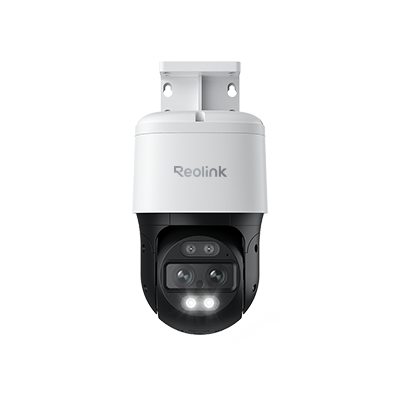
4K Dual-Lens PTZ Camera with Dual Tracking
4K 8MP Ultra HD, Wide & Telephoto Lenses, Pan & Tilt, Auto-Tracking, Person/Vehicle Detection, Power over Ethernet, Two-Way Audio.
FAQs
Can you electrify an existing fence?
Yes, you can electrify most existing fence types by running electric wires using insulated offset brackets. Electric wires can be installed through existing fences to prevent you from replacing the entire structure. Among electrified fence materials, chain link, together with wood and PVC, and iron, are used most often.
What is needed to electrify a fence?
To electrify a fence first you need an electric fence charger. Moreover, you also need a grounding rod, clamps, electrified wiring and a high voltage warning sign. You also need a voltmeter to test the voltage running through the electric fence.
How do you put electricity on a fence?
Run your electrified wiring along insulating brackets mounted at the top/bottom of fence posts. Use plastic offsets to weave through and attach to mesh fencing while maintaining a safe distance. The completion of the high-voltage circuit requires wiring connections between the electric system and the charger and the grounding system.
Conclusion
People who own homes and businesses can protect their properties by performing self-installations of electric security fences as a do-it-yourself project. The basic fencing structures turn electric when homeowners use economical electric fence kits.
Homeowners should perform electric fence installations on their own for small to mid-size properties, yet professional installation provides the best results for extensive or complicated sites.
Post your questions along with fencing tips about electrified fencing in the comment section.
Search
Subscribe for the Latest Updates
Security insights & offers right into your inbox