
Does Renters Insurance Cover Personal Injury? Coverage Explained

Renters insurance does cover personal injury under its personal liability section in many situations. The policy pays for certain legal defenses and related settlements in these cases. Someone may take legal action against you for specific types of harm to them.
This harm affects their reputation or their legal rights in different ways. This coverage makes up a main part of renters insurance personal injury protection. It applies to most standard policies that people use for their rentals.
- What Is Personal Injury in Renters Insurance?
- Does Renters Insurance Cover Personal Injury?
- What Types of Personal Injury Are Covered?
- What Is NOT Covered?
- How Much Coverage Do You Need for Injuries?
- How to File a Personal Injury Claim for Renters Insurance?
- Can Security Cameras Help With Personal Injury Claims?
- FAQs
- Conclusion
What Is Personal Injury in Renters Insurance?
Personal injury refers to harm that affects a person's reputation or legal rights. It does not involve any physical damage to the body of a person. Insurance companies treat this type of claim separately from bodily injury claims. It helps to know the difference to see what your policy includes.
Here is a comparison between personal injury and bodily injury in renters insurance.
Does Renters Insurance Cover Personal Injury?
Yes renters insurance covers personal injury in many cases through personal liability protection. The coverage activates when a claim arises from your actions or statements. These actions or statements cause harm to another person in non physical ways. Policy details determine the exact scope and any limits that apply to it.
Standard renters insurance policies include this protection up to the liability limit you choose. The insurer steps in to handle the defense and any payments if needed. This happens if the claim meets the policy terms in all respects. You must review your specific policy documents to confirm the details carefully.
What Types of Personal Injury Are Covered?
Renters insurance covers several specific types of personal injury under liability protection. These types focus on harms that do not involve direct physical contact at all. The coverage helps protect you from the costs of related lawsuits that arise.
Does Renters Insurance Cover Defamation?
Yes, renters insurance covers defamation claims in most standard cases that occur. Defamation includes both libel and slander under its complete definition and scope. Libel happens when you write or publish false statements about another person. These false statements damage someone's reputation in serious and lasting ways.
Slander involves spoken false statements that cause similar types of harm to people. For example, you post something untrue about a neighbor on the internet platform. This post affects their business and leads to financial losses for them. The person could file a claim against you in this situation.
Does It Cover False Arrest or Detention?
Renters insurance often covers claims related to false arrest or detention events. This situation occurs when someone accuses you of restricting their freedom wrongfully. Coverage applies if the event leads to a lawsuit for damages.
A typical case might involve a dispute with another person in the area. You call authorities on someone and it turns out to be a mistake. The insurance helps cover legal fees and any awards from the court.
Does Renters Insurance Cover Invasion of Privacy?
Yes, most policies cover invasion of privacy claims under the liability section. This type of personal injury happens when you intrude into private life. The intrusion happens without any permission from the other person involved.
The coverage pays for defense costs and judgments in the case. It protects you from the financial impact of such claims completely.
What Is NOT Covered?
Renters insurance does not cover every type of personal injury claim possible. Certain situations fall outside the policy protections and you should know them. It makes sense to learn these exclusions to avoid surprises in the future.
Does Renters Insurance Cover Intentional Acts?
No renters insurance does not cover intentional acts that cause personal injury claims. If you deliberately harm someone's reputation or rights the policy excludes those claims. Coverage only applies to accidental or unintentional events in your normal life.
For instance you knowingly spread false information to hurt someone on purpose. The insurer will not pay any costs in such cases at all. You bear the full responsibility in situations like these by yourself.
Does It Cover Business-Related Injuries?
No standard renters insurance excludes personal injury claims that come from business activities. If you run a business from your rental the policy does not apply there. A claim comes from that business activity and receives no coverage under it. You need separate business insurance for those types of risks and claims.
A home based business that leads to a defamation claim from a client. This claim would not receive coverage under your renters policy at all.
Does Renters Insurance Cover Criminal Acts?
No, the policy does not cover personal injury from criminal acts of any kind. Any claim linked to illegal behavior falls outside the coverage area completely. Insurance companies draw a clear line in these types of situations. This protects against deliberate violations of the law by any person.
Does It Cover Your Own Injuries?
Renters insurance does not cover personal injury claims that you make against yourself. It focuses on harm you cause to other people around you. You need health insurance or other policies for your own personal harms.
How Much Coverage Do You Need for Injuries?
You need enough personal liability coverage to protect your assets from claims. This applies in case of a personal injury claim against you. Most people start with at least $100,000 in coverage for protection. Higher amounts provide better protection if you face a large lawsuit.
Think about your savings possessions and future earnings in this important decision. People often choose $250,000 or more for stronger security against claims. You can adjust the limit when you buy or renew the policy. The cost increase for higher coverage usually stays reasonable for most people.
How to File a Personal Injury Claim for Renters Insurance?
You follow specific steps to file a personal injury claim under your policy. Quick action helps the process go smoothly in most cases that arise. Here are the steps you take when you file the claim with them.
-
Contact your insurance company: First, contact your insurance company as soon as possible after you learn about it. Provide basic details about the incident and any involved parties right away.
-
Gather all relevant evidence: Next, gather all relevant evidence for your insurance company to review carefully.
-
Complete the claim forms: Then complete any claim forms that the insurer sends you in the mail. Answer all questions fully and accurately on the forms provided to you.
-
Cooperate with the claims adjuster: After that, cooperate with the claims adjuster during the entire investigation process. Share any additional information they request in the investigation of the claim.
-
Keep records of everything: Finally keep records of all communications and related expenses for your reference. This helps track the progress of your claim over time effectively.
Can Security Cameras Help With Personal Injury Claims?
While renters insurance may provide coverage for personal liability if someone is injured in your rental property, security cameras can play an important supporting role in documenting what actually happened during an incident.
If a guest, visitor, or service worker gets injured in your home, disputes can sometimes arise over how the injury occurred. A home security camera system can provide video evidence that helps clarify the sequence of events, which may support your insurance claim and reduce misunderstandings between involved parties.
How security cameras can support renters insurance personal injury claims:
- Provide visual evidence of how an accident occurred
- Help verify whether the renter may be liable or not
- Support faster investigation and claims processing
- Reduce false or disputed injury claims
However, it’s important to note that security cameras do not determine insurance coverage—they only provide supporting documentation. Whether an injury is covered depends on the terms of your renters insurance policy, including liability limits and exclusions.
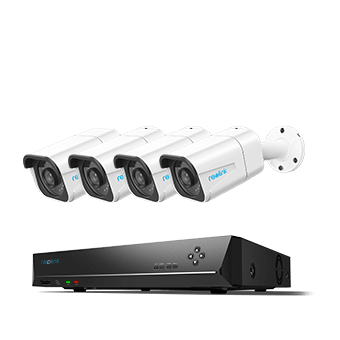
4K 8-Channel PoE Security System
4 pcs 4K Ultra HD Security Cameras; 2TB HDD 8-Channel NVR for 24/7 Recording; Person/Vehicle Detection; Plug & Play; 2 Network Solutions.
FAQs
What Are Three Things That Renters Insurance Typically Does Not Cover?
Renters insurance typically does not cover intentional damage that you cause yourself. It also excludes damage from floods or earthquakes in most common cases. These activities take place at your rental property and are not covered.
How Much Is $100,000 in Personal Liability Coverage for Renters Insurance?
The cost for $100,000 in personal liability coverage varies quite a bit. It depends on your location rental type and other important factors. Most renters pay between 10 and $20 per month for it. This payment is for a full policy with this liability level included. You get quotes from different companies to find the best rate available.
What Evidence Do You Need for a Personal Injury Claim?
You need clear evidence that shows what happened in the incident. This evidence must relate to the claim in direct and clear ways. It includes any written statements emails or public posts about the event.
Conclusion
Renters insurance covers personal injury in many situations through its liability protection. The policy helps with legal costs and payments for certain types of claims. These claims include defamation false arrest and invasion of privacy as examples.
What are your opinions on this article and its information provided here? Share them below in the comments section for further discussion with others.
Search
Subscribe for the Latest Updates
Security insights & offers right into your inbox