
Does Renters Insurance Cover Burglary? What’s Included in 2026

Renters insurance burglary is relevant since theft may impose impromptu expenses on the rental tenants. In the case that a person breaks into your rental and steals property, insurance can be used to compensate for the losses.
Nonetheless, not all items, circumstances, and lost possessions are covered. You must have clear knowledge of terms and limits in order to have an idea of payment in 2026.
- Does Renters Insurance Cover Burglary?
- What Items Does Renters Insurance Cover for Burglary?
- What Is Not Covered by Renters Insurance in a Burglary?
- How Much Will Renters Insurance Pay for Burglary?
- How to File a Renters Insurance Claim for Burglary?
- How to Prevent Burglary in a Rental Home?
- FAQs
- Conclusion
Does Renters Insurance Cover Burglary?
Yes, in most cases, renters' insurance will cover burglary with the usual personal property coverage requirements.
What the Coverage Includes
- The coverage assists in paying for stolen belongings in a home break-in.
- It can also be used often to apply to items stolen out of cars or storage.
Coverage Limitations
- The policy wording and coverage limits are subject to those losses.
Requirements for a Claim
Burglary coverage usually requires more than saying property has disappeared unexpectedly. Insurance companies often want:
- Forced entry signs
- A police report
- Ownership proof
- Proof showing the stolen property belonged to you
However, if you simply lose something, coverage may not apply to that loss.
What Items Does Renters Insurance Cover for Burglary?
Most renters enquire of which assets the policy can cover after experiencing a break-in. Insurance typically covers personal property that you possess to use in your day-to-day activities. The specific list varies according to your policy, limits, and any additional endorsements that you buy.
Furniture
Renters insurance typically gives you coverage to the furniture stolen in case of a burglary at your rented place. These comprise of sofas, chairs, tables, bed frames, mattresses, dressers, and bookshelves. Your policy can pay in case a person comes in your rental and robs them. The payment is done based on actual cash value or the cost of replacement.
Clothing and Shoes
The majority of policies include daily attire, jackets, handbags, footwear, and so forth. In case burglars plunder these items in closets or bedrooms, claims are typically eligible. You are supposed to have receipts, photos, or statements to prove that you owned them.
Electronics
In normal renters insurance, electronics are usually covered under the burglary clause. Knowing Laptops, tablets, televisions, gaming systems, headphones and desktop computers can qualify. Precautionary personal property cover might also apply to mobile phones. Even so, the payment is based on limits, deductibles and method of valuation.
Kitchen and Household Items
Home goods are typically considered covered personal property in the event of burglary. These are cookware, dishes, small appliances, lamps, linens and home decor. These products alone may be of low price but once replacement becomes necessary, the cost may be very high.
Bicycles and Sports Equipment
Most renters policies include bicycles and sporting equipment taken in a breakage. This could consist of golf equipment, exercise equipment, camping equipment, and the like. The insurer can query on the location where the property had been kept before it was stolen. The insurer can also enquire about the presence of signs of forced entry.
Jewelry, Watches, and Cash Limits
Jewelry, watches, and cash can be covered though smaller limits are usually given. That is to say that your policy can only pay a certain amount there. This may occur despite the fact that the stolen property would be of a higher value. In case you have jewels or other valuables of a high value, scheduled coverage can come into play.
What Is Not Covered by Renters Insurance in a Burglary?
Burglary coverage can help after serious losses, but clear limits still apply. Many renters assume every missing item will qualify for insurance payment. In practice, insurers review property type, loss cause, and supporting proof.
Roommate’s Property
Your renters insurance usually covers your property, not your roommate’s belongings. If your roommate wants theft protection, a separate policy is usually needed. Both names may sometimes appear on one policy if the insurer allows.
Your Car or Parts of the Car
Renters insurance does not cover the car itself if it is stolen. It also does not cover factory-installed vehicle parts under renters coverage. Auto insurance usually handles losses involving the vehicle and built-in parts. Personal belongings stolen from inside the car may still be covered. Still, vehicle damage usually belongs under the auto insurance policy.
High-Value Items Above Sub-Limits
Expensive jewelry, artwork, rare collections, or luxury watches may lack full coverage. The insurer may cap payment at a small stated amount instead. This happens unless extra coverage was added before the burglary occurred.
Business Property Over Policy Limits
Some policies cover limited business equipment, but payment amounts remain restricted. If you run a home business, standard coverage may not pay enough. This can affect inventory, tools, or costly work devices stored there.
Unexplained Loss or Carelessness
If an item disappears and burglary cannot be shown, denial may follow. Insurance also does not cover simple misplacement of personal property. A missing ring without theft proof will likely complicate claim approval.
How Much Will Renters Insurance Pay for Burglary?
Renters insurance pays based on four main factors in burglary claims. These are your personal property limit, deductible, sub-limits, and valuation method. Your personal property limit sets the maximum paid for covered stolen belongings.
For example, a policy with $30,000 coverage sets the overall cap. That cap applies to covered losses, apart from category sub-limits. A deductible also applies before any insurance payment is calculated. If your deductible is $1,000 and loss is $5,000, payment drops. The insurer may then pay $4,000 for the covered property loss.
How to File a Renters Insurance Claim for Burglary?
Filing a claim correctly can affect how smoothly the process moves. A burglary claim often depends on timing, records, and supporting documents. If you act in an organized way, fair review becomes easier. Each step below helps build that record for claim review.
Make Sure You Are Safe
Leave the area if you think the burglar may remain nearby. Do not enter alone if the home still feels unsafe. Contact law enforcement first and follow their directions carefully.
Call the Police
Report the burglary as soon as possible after discovering the break-in. Ask for the police report or the report number afterward. Insurers often require this document when reviewing theft claims.
Document the Damage and Missing Items
Take photos and videos showing damaged windows, doors, rooms, and empty spaces. Make a written list of every item stolen during the burglary. Include brand names, model numbers, purchase dates, and estimated values.
Contact Your Insurance Company
Notify your insurer promptly or file online through its website or app. Give accurate details about timing, stolen property, and any damage found. Do not guess about values when you remain unsure of amounts.
Gather Proof of Ownership
Receipts, account statements, order emails, serial numbers, and photos can help. Warranty papers may also support your claim during the review process. The more proof you provide, the easier verification usually becomes.
Work With the Adjuster
The insurer may assign an adjuster to review your burglary claim. Answer questions clearly and send requested documents within stated deadlines. Keep copies of everything submitted and save notes from each contact.
How to Prevent Burglary in a Rental Home?
[ga-seo-howto]
Burglary prevention cannot remove all risk, but it can lower exposure. It can also reduce the size of a loss after break-ins. Renters can take several practical steps without major property changes.
- Install a video doorbell: Install a video doorbell to monitor visitors and record entry activity. A video doorbell helps you watch arrivals and keep useful evidence. It can also support your case after suspicious activity near entrances.
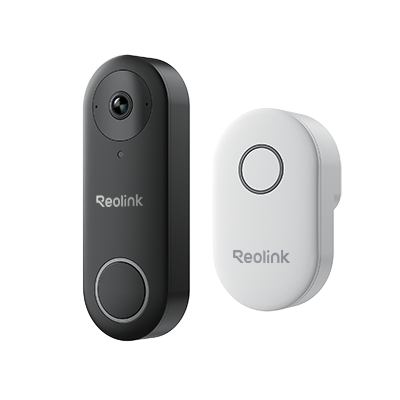
Smart 5MP Video Doorbell with Chime
5MP Super HD, Person Detection, Power over Ethernet, 180° Diagonal Viewing Angle, Two-Way Audio, High-Quality Night Vision.
- Use security cameras: Use security cameras inside or outside the rental when lease rules allow. Security cameras may discourage burglars and document break-ins more clearly. Before installation, review your lease and follow all building rules.
Reolink Daily Sales 2026 - Unlock smart deals on Reolink’s top-performing cameras — now on sale!
Reolink Daily Sales are here! Grab top deals on security cameras, doorbells, and systems to keep your home safe all the time!
-
Lock doors and windows every time: Lock doors and windows every time you leave or go to sleep. Many break-ins happen because one entry point was left unlocked. Check every lock before leaving home and before sleeping each night.
-
Use better lighting: Use better lighting around doors, walkways, and parking areas near rentals. Good lighting makes it harder for thieves to move around unseen. This can improve visibility near shared building access points too.
-
Do not advertise expensive items: Do not advertise expensive items through windows or visible product packaging. Keep boxes for costly electronics out of plain public view. Close blinds when valuable property sits near windows inside rooms.
FAQs
Does renters insurance cover you if you get robbed?
It may cover stolen personal property, but the facts still matter. If someone steals your belongings through robbery, coverage may still apply. That coverage remains subject to limits, deductibles, and policy terms.
What are three things that renters insurance typically does not cover?
Three common examples are your roommate’s property, the stolen vehicle itself, and valuables above theft sub-limits.
How much is $300,000 renters insurance?
That amount usually refers to liability coverage, not total policy cost. The premium depends on location, deductible, insurer pricing, and property limits.
Can you claim theft on renters insurance?
Yes, theft can be claimed when the loss fits policy requirements. You usually need a police report, ownership proof, and theft evidence.
Conclusion
Renters insurance burglary coverage can protect you from the costs of stolen property. Still, the policy does not cover every loss in the same way. Standard coverage often pays for furniture, clothing, electronics, and household goods. Cash, jewelry, and business property often face stricter payment limits.
Payment depends on your policy limit, deductible, and valuation method. If burglary happens, report it quickly and document everything carefully. Then file your claim with strong proof supporting ownership and loss. In 2026, the best approach remains simple and very practical. Understand your policy before loss happens and protect your property well.
Search
Subscribe for the Latest Updates
Security insights & offers right into your inbox