
Does Renters Insurance Cover Appliances? What's Included & What's Not
Renters insurance gives protection to the personal belongings of people who rent homes. A lot of renters look for important details on appliance insurance for renters.
This article answers several important questions about coverage for different types of appliances. This article explains what the insurance policy includes and what it leaves out.
- Does Renters Insurance Cover Appliances?
- Does Renters Insurance Cover Broken Appliances?
- When Does Renters Insurance Cover Appliances?
- What Appliances Are Covered by Renters Insurance?
- What Appliances Are Not Covered by Renters Insurance?
- How to File a Claim for Appliance Damage?
- How Much Does Renters Insurance Pay for Appliances?
- Do Security Cameras Affect Renters Insurance Coverage?
- FAQs
- Conclusion
Does Renters Insurance Cover Appliances?
Renters insurance can cover appliances under certain conditions that appear in the policy. The policy protects personal items that the renter owns in the rental unit. It pays for damage or loss when certain events happen in the home.
-
Some appliances receive full protection while others receive none from the policy.
-
Renters who bring their own refrigerator or microwave into the apartment get coverage.
-
The company sets limits on the total amount they pay for all personal property.
Does Renters Insurance Cover Broken Appliances?
Renters insurance does not cover broken appliances in most normal cases today. The policy stays away from damage that comes from normal use or age. Mechanical breakdowns happen over time and the insurance skips those situations.
A refrigerator that stops working because the motor fails gets no payment. Renters pay for repairs directly in those common cases every time. The coverage only activates when a sudden event listed in the policy causes the break.
When Does Renters Insurance Cover Appliances?
Renters want clear answers on the moments when their policy helps pay for appliance damage. The coverage activates only after specific types of events take place suddenly. Each policy lists the covered events in detail for all renters now.
Fire and Smoke
Fire causes serious damage to many appliances in the rental property. Smoke leaves behind particles that ruin electronics and metal surfaces fast. Renters insurance pays to replace or repair appliances hit by fire there.
The event must start from an accidental source like a faulty wire. A kitchen fire that spreads to the microwave leads to a claim payment. The insurance company sends an adjuster to inspect the damage fully.
Renters receive money based on the value of the affected items. This protection helps renters return to their normal routine after the event.
Theft
Theft takes appliances away from the renter without any warning at all. Renters insurance covers items stolen from the apartment in the unit. The renter must report the theft to the police first of all.
A portable dishwasher that disappears from the unit qualifies for payment now. The company asks for proof like a police report and receipts always. Coverage extends to the cash value of the stolen appliance at the time of loss. Renters who keep valuable kitchen machines in their homes receive help from this part.
Water Damage (Non-Flood, e.g., Burst Pipe)
Water from inside the building damages appliances very fast in some cases. A burst pipe sends water across floors and into appliance parts quickly. The insurance pays for this type of water damage from pipes inside.
The policy excludes flood water that comes from outside the building. A washing machine that gets soaked from a broken pipe receives coverage. The renter dries out items where possible but the insurance pays for replacements needed. Fast response after the leak prevents more loss and supports the claim fully.
Vandalism
Vandalism involves deliberate damage by someone outside the household completely. Renters insurance includes payment for appliances broken during a vandalism act. Someone who breaks into the apartment and smashes the television screen makes a valid claim.
The renter documents the scene and contacts the insurer right away always. This coverage protects against losses from criminal actions that the renter did not cause.
What Appliances Are Covered by Renters Insurance?
Renters own different machines and devices for daily life in the home. The policy protects many of these personal appliances when covered events occur.
-
Refrigerators: The policy covers refrigerators that renters purchase and place in their rental homes now.
-
Microwaves: Small countertop microwaves fall under personal property coverage in the policy. Damage from smoke or water allows the renter to file for payment fast.
-
Washing machines: Portable washing machines that the renter brings receive coverage under the policy. A theft or vandalism event triggers payment for the washing machine fully.
-
Dryers: Electric or gas dryers owned by the renter qualify for protection now. Water damage from a pipe burst ruins the machine and the policy responds fast.
-
Dishwashers: Standalone dishwashers that renters install get included in the coverage. Fire damage destroys the unit and the company pays the claim amount after review.
What Appliances Are Not Covered by Renters Insurance?
Some appliances stay outside the protection of a standard renters policy now. Renters need to know these gaps to plan their finances well always.
-
Built-in appliances: Built-in appliances often belong to the landlord and stay fixed in place. The renters policy skips these because the landlord owns the units fully.
-
Appliances damaged by wear and tear: The policy does not pay for damage from wear and tear. Normal aging and daily use lead to breakdowns over time now.
-
Flood damaged items: Water from rivers or heavy rain falls outside the policy. Renters buy separate flood insurance for that type of risk now. A flooded basement that ruins the freezer gets no payment from it.
-
Items damaged by earthquake: Most policies exclude earthquake damage unless the renter adds a special rider. The renter pays out of pocket or seeks other help for it.
How to File a Claim for Appliance Damage?
The claim process requires careful steps from the renter after a loss occurs.
-
Renters start by contacting their insurance agent or company as soon as possible. They describe the event and list the affected appliances in detail now.
-
Next they take clear photos and videos of everything for records. Security cameras provide strong evidence because they record the exact moment. The footage helps prove the cause and shows the condition before.
-
Renters write down details about each appliance including model numbers. They gather any receipts or proof of ownership for the items.
-
The insurance company assigns an adjuster who may visit the home.
-
Renters submit the forms completely and answer all questions from the company. The company reviews the information and decides the payout amount.
-
Renters maintain complete records of all papers for their personal files. This organized approach speeds up the process and increases the chance of approval.
How Much Does Renters Insurance Pay for Appliances?
Renters insurance pays an amount based on the policy details and the loss. The company calculates the value of the appliance at the time of loss. Some policies use actual cash value which subtracts for age and wear. Other policies offer replacement cost which pays for a new similar item.
A deductible applies to most claims and the renter pays that amount first. For example a 200 dollar deductible reduces the payout by that figure. The total personal property limit caps the maximum payment for all items combined.
Do Security Cameras Affect Renters Insurance Coverage?
Security cameras are not typically covered as “appliances” under renters insurance, but they can still play an important role in your overall protection.
Most renters insurance policies cover personal property such as appliances (e.g., refrigerators, microwaves, or portable washers) against risks like theft, fire, or certain types of water damage. Security cameras, on the other hand, are usually considered electronic devices or home security equipment, not essential household appliances.
However, installing a security camera system can still indirectly benefit your renters insurance in a few ways:
- Theft deterrence: Visible cameras can reduce the likelihood of break-ins or vandalism claims.
- Evidence support: Footage can help speed up claims processing if theft or damage occurs.
- Possible discounts: Some insurers may offer small discounts if you have a monitored security system or smart home security setup.
Keep in mind that most renters insurance policies do not reimburse the cost of security cameras unless they are stolen or damaged as personal property and listed under your coverage limits.
In short, security cameras aren’t “covered appliances,” but they can strengthen your overall risk protection and may even help lower insurance costs depending on your provider.
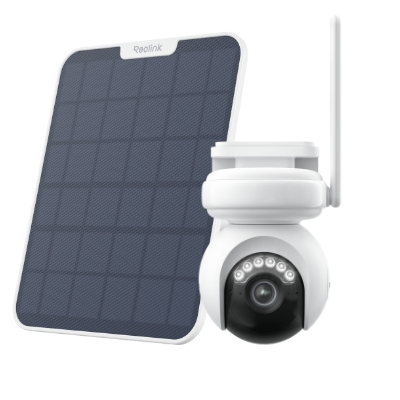
Industry-leading 4K Continuous Recording Battery Camera
4K UHD Continuous Recording; ColorX Night Vision; Pan & Tilt; Automatic Tracking; All Recordings Stored Locally.
FAQs
Does Renters Insurance Cover Appliances From Power Surges?
Renters insurance often covers damage to appliances from power surges in many cases. The surge counts as a sudden electrical event in many policies now. A lightning strike that sends extra power through the lines damages the television.
The policy pays for the television and other appliances in the home. Renters confirm this detail in their policy documents for accuracy always.
Are Kitchen Appliances Covered by Renters Insurance?
Kitchen appliances receive coverage if the renter owns them in the home. Items like the microwave or blender qualify as personal property items. Damage from a covered event such as theft or fire leads to payment. Built-in models from the landlord do not get protection under the policy.
Does Renters Insurance Cover Washer and Dryer?
Renters insurance covers washer and dryer units when the renter owns them. Portable models or those the renter installed fall under personal property rules. A burst pipe or vandalism that affects them allows a valid claim. The payout follows the same rules as other appliances in the policy.
Conclusion
Renters insurance provides useful protection for appliances in many situations and events. The policy covers personal items damaged by fire theft water from pipes and vandalism. It leaves out normal breakdowns and landlord owned units in the home.
Renters gain help when they understand the details and maintain complete records. They should review their policy each year and talk to their agent. Proper coverage helps renters recover faster after a loss occurs. This protection supports their financial situation in difficult times after an event.
Search
Subscribe for the Latest Updates
Security insights & offers right into your inbox