
Do Movie Theaters Have Cameras?
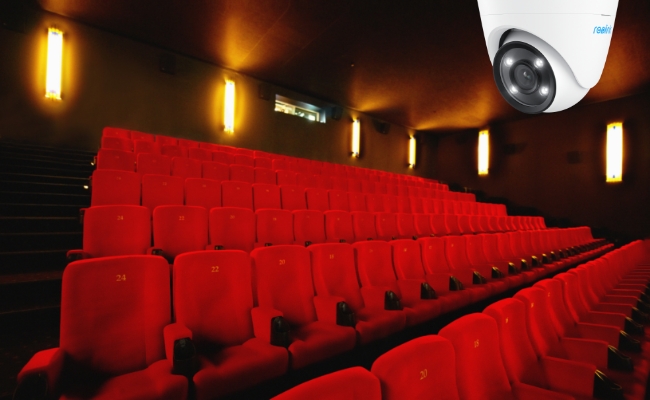
Many moviegoers ask, “Do movie theaters have cameras?” or “Are there cameras in movie theaters?” To ensure safety, most theaters install security cameras in the auditoriums, hallways, and lobby areas.
Read on to understand the reasons for camera installation, what types of cameras are used, whether it's legal, and how to spot security cameras in your local cinema.
- Do Movie Theaters Have Cameras?
- Are There Cameras Inside Theater Rooms?
- Why Are There Cameras in Movie Theaters?
- What Are Common Types of Cameras in Movie Theaters?
- Are Movie Theater Camera Legal?
- How to Tell If There Are Cameras in the Movie Theater
- Camera Recommendations for Movie Theaters
- FAQs
- Conclusion
Do Movie Theaters Have Cameras?
Yes, most movie theaters do have security cameras, but where they are placed depends on the theater’s size, age, and security setup. In general, cameras are commonly installed in public areas to ensure safety, manage crowds, and prevent theft.
Where Cameras Are Usually Installed?
You’ll typically find cameras in key public spaces, including:
- Lobbies and main entrances
- Hallways and walkways
- Concession stands
- Exits and ticket checkpoints
These areas are almost always monitored because they have the highest foot traffic and security needs.
Are There Cameras Inside Theater Rooms?
Cameras inside screening rooms are less consistent. Large chains like AMC, Regal, and Cinemark may install them in some auditoriums for safety or anti-piracy purposes. However, not all theaters have cameras inside viewing rooms, and smaller or older cinemas may choose not to install them at all.
Differences by Theater Type
Camera coverage can vary significantly depending on the type of theater:
- Modern multiplexes: More likely to have advanced surveillance systems covering multiple areas, sometimes with video analytics to detect suspicious activity
- Older theaters: May have limited or outdated camera systems, often focused only on public areas
- Independent cinemas: Camera usage varies widely depending on management decisions and budget
Why Are There Cameras in Movie Theaters?
Movie theaters install cameras for a variety of reasons - primarily for security and safety purposes. But why do movie theaters have cameras inside? Let's look at some of the main motivations behind camera usage in cinemas:
Deter Crime
Security cameras act as an effective deterrent against crimes like theft, vandalism, violence, etc. Their mere presence indicates criminals are being watched, which prevents them from targeting the premises. Stats show theaters with cameras report fewer instances of crime.
Prevent Piracy
Cameras inside auditoriums allow staff to monitor for illegal recording of the movie being played. Video recording in cinemas is strictly prohibited. But some miscreants try to film the movie on handy cams or mobile phones to distribute bootleg copies online or make pirated DVDs. The cameras catch such offenders red-handed.
Ensure Customer Safety
Monitoring customer movements on cameras allows theater personnel to watch out for fights, accidents, health emergencies, etc., so they can immediately intervene or arrange help. Cameras also help trace missing children via CCTV footage.
Manage Employees
Camera feeds are useful for remotely coordinating employees, directing task prioritization, and monitoring staff behavior with patrons. They are also able to capture evidence if employees are stealing, sleeping on duty, helping with piracy, etc.
Document Emergencies and Accidents
Video footage from security cameras serves as legal evidence if any incidents like injuries from falls, violence, fires, etc., occur on the premises. Some cameras are also installed to reduce insurance premiums or make claims easier during such events.
What Are Common Types of Cameras in Movie Theaters?
Here are some of the most common varieties of security and surveillance cameras installed in movie halls and theaters:
Dome Cameras
Compact hemispheric dome cameras offer 360-degree coverage of rooms from ceilings and corners. The dome shape makes it hard to pinpoint the camera's line of sight. These are commonly seen in hallways and theater rooms.
Bullet Cameras
Bullet-style cameras are weatherproof for outdoor pointing at entry points. Their long shape also makes it easy to capture faraway lobby and hallway activity minus blind spots. Some models have built-in IR for night vision capability as well.
PTZ Cameras
PTZ (pan-tilt-zoom) cameras are high-end devices that can remotely pan, tilt, and zoom to track activity. Their versatility allows for monitoring wide auditoriums effectively. 4K sensors enable monitoring screens for piracy from back rows, too.
In addition, discrete spy PTZ cameras can hide near exits, tiny cameras within exit sign boards, etc. Many cameras nowadays can capture HD, night vision, or infrared vision footage for enhanced security monitoring.
Are Movie Theater Camera Legal?
Yes, movie theater cameras are generally legal—especially in public areas—but rules can vary for screening rooms depending on local laws.
Where Cameras Are Clearly Legal
In most regions, video surveillance is allowed in publicly accessible areas of a movie theater. These typically include:
- Lobbies and entrances
- Hallways and walkways
- Ticket counters and concession stands
- Entry gates and exits
- Parking lots and exterior areas
These spaces are considered public, so cameras are widely used for safety and security.
Where Cameras May Not Be Legal?
Cameras inside auditoriums fall into a legal gray area and depend on local and state regulations.
- Some locations allow limited monitoring for security or anti-piracy purposes
- Privacy laws may restrict recording of seating areas or specific rows
- Theaters may need to adjust placement to avoid infringing on personal privacy
Legal Requirements
- Notice is required: Most laws require theaters to post signs informing visitors about CCTV surveillance
- Privacy laws apply: Regulations differ by state or country, especially for indoor spaces
- Local rules matter: Always check local laws for specific restrictions on indoor monitoring
How to Tell If There Are Cameras in the Movie Theater
Wondering if your next movie outing venue might have cameras on the premises? Are there cameras in movie theaters? Check out how to detect night vision camera in theatre.
Observe Visible Devices
Carefully examine corners of auditoriums, hall ceilings, and lobbies for small visible hemispheric dome cameras. Bullet cameras may be noticeable, pointing at exterior or hallway entries. Glancing at walls could reveal black glassy lenses or recording equipment, too.
Check Theater Policies
There may be notices, posters, or warnings indicating surveillance cameras are in operation at box office counters or building entrances. Websites and ticket purchase portals also tend to highlight security policies if cameras are actively utilized on their premises.
Ask Staff
Don't hesitate to ask personnel directly, like managers, ushers, or cleaners, about security cameras on site. However, understand that some surveillance may be kept confidential if installed - so absence is not fully confirmable by staff.
Pay Attention to Security Notices
Signboards explicitly warning patrons about CCTV cameras in use are a definite giveaway. You may spot stickers with "These premises are under video surveillance" or similar visual indicators that confirm cinema hall camera usage.
Camera Recommendations for Movie Theaters
Here, we’ve enlisted some camera models that can be used inside movie theaters.
Reolink RLC-811A
For movie theaters, the Reolink RLC-811A is a great choice. It offers a 4K resolution, ensuring complete coverage of the theater space with great details. Equipped with infrared and color night vision, it provides continuous, uninterrupted surveillance around the clock.
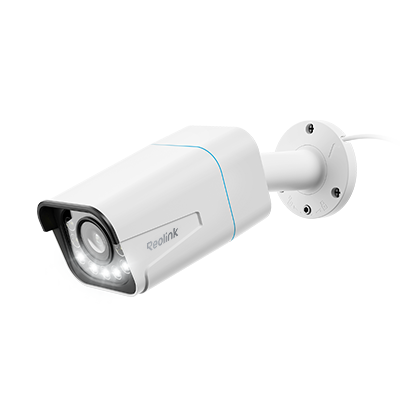
4K Smart PoE Camera with 5 Spotlights
4K 8MP Ultra HD Day & Night, Person/Vehicle Alerts, 5X Optical Zoom, Two-Way Audio, Built-in Siren, Color Night Vision, Live View Anywhere.
Reolink Altas PT Ultra
Battery-powered security cameras are a great option for movie theaters, especially when reliable power outlets aren't available. The NEW Altas PT Ultra features a powerful 20,000 mAh battery, allowing it to record continuously throughout the entire movie.
Most importantly, it uses ColorX technology. The F1.0 large aperture and 1/1.8'' sensor bring 4 times the amount of light compared to traditional cameras and can provide color night vision comparable to daytime in dark environments without the need for additional spotlights.
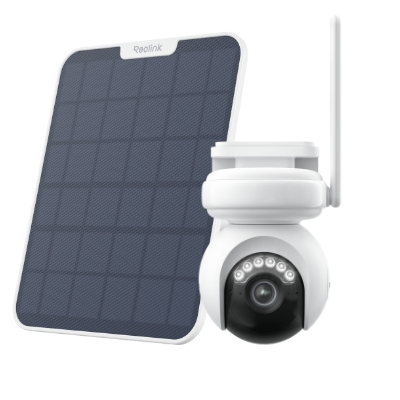
Industry-leading 4K Continuous Recording Battery Camera
4K UHD Continuous Recording; ColorX Night Vision; Pan & Tilt; Automatic Tracking; All Recordings Stored Locally.
Reolink Duo 3 PoE
The innovative Reolink Duo 3 PoE delivers unprecedented 16MP ultra HD image quality and an extraordinarily wide 180° field of view. Featuring advanced dual lenses plus panoramic stitching, this WiFi and PoE camera captures every detail across an entire space with no blind spots.
With two 8MP 4K sensors, the Reolink Duo 3 produces a stunning 16MP resolution - over 4x higher than conventional 4MP cameras. The extraordinary image crispness lets you zoom in to see small objects clearly.
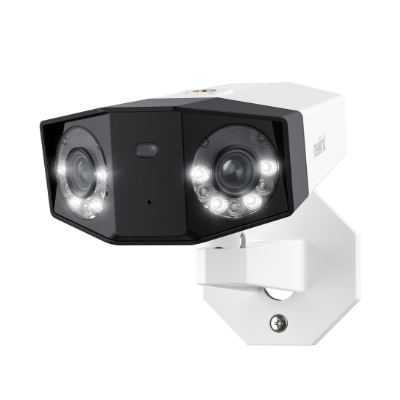
Groundbreaking 16MP Dual-Lens PoE Camera
16MP UHD, Dual-Lens, Motion Track, 180° Wide Viewing Angle, Power over Ethernet, Color Night Vision.
Reolink RLK16-800B8
For large venues like movie theaters that require comprehensive video surveillance across multiple areas, the Reolink RLK16-800B8 security camera system is an exceptional choice.
This kit contains a high-capacity 16-channel NVR able to connect 16 separate PoE cameras. The bundle delivers professional-grade HD monitoring to watch over every corner both indoors and outdoors.
The centralized NVR records sharp UHD footage from all connected cameras simultaneously. Its 16 channels allow expanding coverage with additional cameras as needed. It includes a 4TB HDD with capacity for over a week of 24/7 recording from maximum cameras.
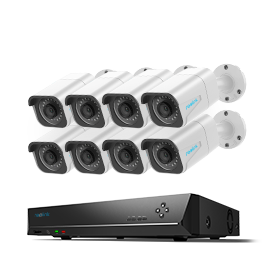
24/7 Surveillance in 4K Ultra HD
Power over Ethernet; 24/7 Continuous Recording; 16-Channel NVR; 4TB HDD Built-In; Audio Recording; 100ft Night Vision.
FAQs
Do movie theaters actually have night vision cameras?
Sometimes, but not always. Some modern movie theaters may use low-light or night vision cameras inside auditoriums to monitor safety and prevent piracy. However, not all theaters have them, and many only use standard cameras in brighter public areas like lobbies and hallways.
Is it okay to make out in a movie theater?
It depends on the situation. Light affection (like holding hands or a quick kiss) is generally fine, but more intimate behavior can make others uncomfortable and may violate theater policies. Staff could ask you to stop or leave if it becomes disruptive.
Do theatres usually have cameras inside?
Most theaters have cameras in public areas like entrances, lobbies, and hallways. Some may also have cameras inside screening rooms, especially in newer or larger multiplexes, but this is not guaranteed and varies by location. analyses to only notify anomalies via alerts. Critical areas mostly have live oversight.
Conclusion
Do movie theaters have cameras? It's clear that a majority of movie theaters do have well-equipped camera surveillance - right from brands like AMC and Regal Cinemas down to small-town community halls. Reasons like security, piracy prevention, and insurance necessitate indoor cameras.
Do share your thoughts and experiences about encountering cameras at your local movie halls or multiplexes. Feel free to also discuss this ubiquitous aspect of the cinema landscape.
Search
Subscribe for the Latest Updates
Security insights & offers right into your inbox