
Can Cats See Infrared? The Truth About Cat Vision
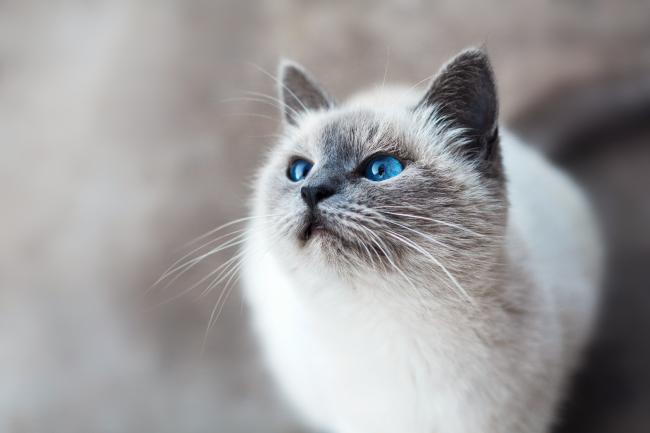
The question of how cats perceive the surrounding world is asked by many. They usually pose queries such as can cats see infrared light or can cats see IR. The eyes of cats are constructed to hunt in areas where the lighting is weak. But their sight possesses the same limitations that the sight of other living beings has.
Can Cats See Infrared?
Cats are not able to see infrared light. The light in which their eyes operate is the same elementary range of light which are used by human eyes daily. The IR light lies beyond the red color range that human beings perceive. The eye structures of warm-blooded animals like cats are such that the animal is unable to pick up these rays.
It has been found that were cats equipped with the ability to see infrared light, the heat produced by their own bodies would be too much of an interference to enable them to see clearly. Heat is then received by the skin and the whiskers of the cats by means of special receptors. With these receptors, cats are able to find warm areas in order to rest or sleep. It is the sense of touch that works and not vision through the eyes.
Can Cats See Infrared Light from Security Camera?
Cats are not able to see the infrared light that is emitted by security cameras when used at night. These cameras have infrared and light up the dark places without the need to turn on bright bulbs. The rays remain invisible to the cats as they remain invisible to people. The owners of cats also do not always feel at ease with the idea that the camera light may disturb the pets or wake them up. But to the infrared itself, cats are indifferent. They may even turn their heads to the camera due to their shape, slight clicking, or a small light they can see in some models.

Reolink Spring Sale - Step Into Spring, Step Into Security!
Reolink Spring Sale is here! Grab top deals on security cameras, doorbells, and systems to keep your home safe this season.
Can Any Animals See Infrared?
Only a small group of animals can sense infrared light in useful ways. Most of these animals live as cold-blooded types that do not produce much body heat of their own. Pit vipers and other snakes have pits along their jaws that catch heat waves from warm prey. The pits turn the signals into clear pictures that help snakes strike accurately even in total darkness. Bullfrogs switch an enzyme in their eyes to add infrared sight. This change lets them watch for enemies below the water line while they look for food above it.
Do Infrared Lights Affect Cats?
Infrared lights cause no harm to cats under normal conditions. The units inside security cameras operate at low power levels that spread weak energy across a space. Cats cannot see the light, so they never stare directly into the source for long periods. This fact alone protects their eyes from strain. Families install these cameras in living rooms, hallways, and porches where cats roam freely every day. No records show eye damage or discomfort from standard home use.
Why Do Cats Seem to See in the Dark?
Cats walk through dim rooms and spot toys or small movements that people miss entirely. Their skill looks like complete night sight at first glance. Yet cats still need a small amount of light to see clearly. They simply make better use of whatever light exists.
Rod Cells Help Cats Detect Light and Motion
Cat retinas hold far more rod cells than human retinas do. These rod cells react to even tiny amounts of light and track quick motion at the same time. Cats carry six to eight times the number of rod cells that people have. The extra cells turn dim conditions into usable vision and help cats follow a mouse across a floor at night. Rod cells handle black-and-white details best, which matches the way cats focus on shape and speed rather than bright colors. This helps them hunt and play even when the room is almost dark.
The Tapetum Lucidum Reflects Light Back
Just behind the retina is a shiny layer forming immediately after the retina in the eye of every cat. This is the layer that is called tapetum lucidum, and it functions as an inner mirror. The light is received in the eye, and it goes past the rod cells first. Unutilized light is then reflected back by the layer through the retina a second time.
Pupils Open Wide for More Light
The change in the size of the cat pupils is quicker and wider compared to that of the human pupils. Where it becomes dark, the pupils widen nearly to the size of a complete circle in order to gain as much of the light as possible. When it is sunny, they reduce to tiny slits to reduce glare. The vertical form regulates the entry of light more precisely than the round pupils do.
FAQs
Can cats see infrared or ultraviolet?
Cats cannot see infrared light at all. Their eyes stay limited to the visible range that people also use. Cats do see some ultraviolet light, however. The extra range reveals hidden patterns such as urine marks or details on bird feathers that stay invisible to humans. This ability gives cats an edge when they track territory or hunt. It helps them know more about their surroundings than people can see.
How do cats say goodbye?
Cats show clear shifts in daily habits when they near the end of life. They often choose quiet hiding spots away from noise and activity. Other cats grow more attached and follow their owners from room to room for extra comfort. Many stop eating regular meals or spend less time grooming their coats. Some cats meow more than usual or grow very still and quiet. Each cat displays its own mix of these signs, but owners usually sense the change and know their pet needs gentle care in those final days. This helps families prepare for the time.
What animals can see infrared?
Snakes such as pit vipers see infrared through face pits that map heat from prey. Bullfrogs and goldfish use eye enzymes to add infrared to their sight for better hunting or navigation. Salmon switch to the same system when they travel upstream. Mosquitoes and vampire bats locate warm targets with infrared help. These animals turn their senses into a daily tool for survival in their environments. It makes a big difference for them.
Conclusion
Cats cannot see infrared light, yet their eyes deliver excellent night vision through rod cells, the tapetum lucidum, and wide pupils. The question of whether cats can see infrared light or can cats see infrared now holds a clear answer based on how their eyes work. Cats feel heat through skin receptors and use ultraviolet for extra details instead.
Readers can share their opinions on cat vision in the comments and describe any moments when their own cats moved easily through a dark house. Many people have stories about their cats and how they see the world.
Search
Subscribe for the Latest Updates
Security insights & offers right into your inbox