
How to Bypass Garage Door Sensors: 2026 Full Guide
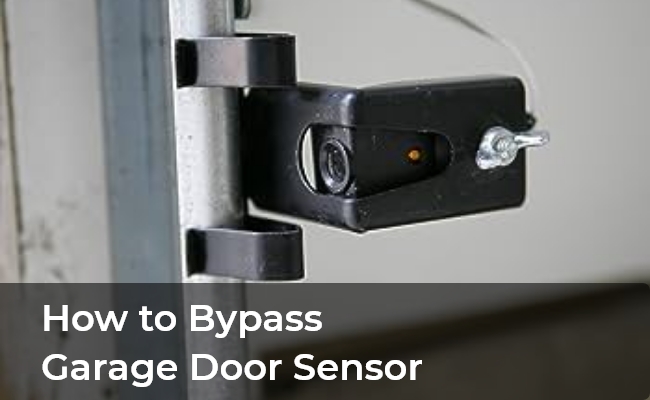
Garage door sensors play a crucial role in ensuring safety, but occasionally, they can cause issues that affect the proper functioning of an automatic garage door. If you've noticed blinking sensor lights or your garage door isn't closing as it should, it may indicate a problem with the sensors themselves. Fortunately, there are 5 solutions to help you disable garage door sensors. In this article, we will guide you how to bypass garage door sensors when necessary. Let's go!
Why You Need to Bypass Garage Door Sensors?
When Garage Door Sensors Malfunction
Situation:
Garage door sensors are crucial safety features, and bypassing them should only be considered in exceptional circumstances. The primary and legitimate reason to bypass a garage door sensor is when it is malfunctioning.
Example:
For instance, if an external force misaligns the sensors, they may prevent the garage door from closing correctly, even if there are no obstructions in the path. This situation can be quite frustrating, especially when you're simply trying to leave your home.
In such cases, bypassing garage sensor becomes necessary to resolve the issue and regain normal functionality. However, it should be followed by prompt sensor repair or replacement.
How to Bypass Garage Door Sensors?
There are 5 effective ways to bypass garage door sensors, let's explore.
1. Set the door to manual mode
Steps:
- Ensure that the door is either safely propped open or completely closed
- Locate the manual release cord (typically a red string hanging from the door trolley)
- Pull the release cord downward toward the garage door motor
- This action will disconnect the door trolley from the automatic opener carriage
You can now manually operate the garage door
How it works:
The automatic opener carriage, responsible for the door's movement, relinquishes control when disconnected, allowing you to manually lift or lower the door.
2. Temporarily Disconnect garage door sensors
Preparation:
- Close the garage door
- Disconnect the power to the automatic door opener
Wire handling:
- Use wire cutters to trim the wires from the garage door sensor
- Leave approximately five inches of wire attached to the house
- Secure the exposed wire end with electrical tape
Sensor setup:
- Align both sensor eyes to face each other
- Affix them in place with tape
Reconnect wires:
- Reconnect the severed sensor wires directly to the garage door opener
- Each sensor comprises two wires: one white and one black
- Connect the two white wires together and attach them to the white terminal on the door opener
- Connect the two black wires together and attach them to either the black or gray terminal on the door opener
Final step:
- Stack the newly shortened sensor connections on top of the garage door opener
- Prevent them from hanging loosely from the ceiling
3. Use a reflector or reflective materials
Steps:
You can employ a reflective surface to bounce the infrared light back toward the sensor.
How it works:
This action will deceive the sensor into perceiving an unobstructed path, enabling you to open your garage door.
4. Block the sensors
Steps:
Utilizing a piece of cardboard, tape, or any non-transparent material is another method for bypassing the sensors. For example, simply apply the tape over the sensor, causing it to reflect the light back to the sensor.
How it works:
This ruse will lead the sensor to believe that there is no obstruction, granting you the ability to open your garage door.
5. Adjust sensor alignment
Steps:
A small misalignment can often cause the sensors to trigger unnecessarily. Carefully adjust the alignment of both the transmitter and receiver to ensure they are perfectly aligned.
Important note:
This process requires patience and precision to avoid damaging the sensors permanently.
Why You Should Not Frequently Bypass Garage Door Sensors
1. Increased Safety Risks
Key point:
- Garage sensors are a vital safety feature designed to protect against accidents and property damage
What happens when bypassed:
- You eliminate a critical mechanism that prevents the door from closing if it detects any obstructions in its path
Potential consequences:
- Increased risk of accidents
- Higher chance of injuries
- Possible damage to people, pets, or property
2. Possible Legal and Insurance Issues
Key point:
- Tampering with or bypassing garage door sensor may have legal consequences
Why it matters:
- Building codes and regulations in many areas mandate their use for safety compliance
Potential consequences:
- Legal issues if regulations are ignored
- Insurance complications in the event of an incident
3. Risk of Damage and Higher Costs
Key point:
- Bypassing garage door sensor can result in unintended problems and long-term costs
What can happen:
- The garage door may not detect obstructions
- Damage to the door, opener, or other components
Long-term impact:
- Costly repairs
- Potential need for full replacements
- Increased maintenance expenses over time
Garage Door Sensor Troubleshooting Tips
1. Blocked Sensor Path
What happens:
- Garage door sensors utilize infrared beams to scan the door's pathway for obstructions
- When an obstruction is detected, it inhibits the door's operation
What to check:
- Ensure there are no obstacles along the sensor's path
- Be aware that direct sunlight on one of the sensor lenses can also trigger a blocked sensor path
2. Dirty Lenses
What happens:
- Dirt and debris have the potential to clog the sensors' lenses, causing them to malfunction
How to fix:
- Clean the lenses regularly
- Use a microfiber cloth to avoid damaging the delicate surface
- Avoid using coarser cotton or wool rags
3. Loose or Damaged Wires
What happens:
- Loose, frayed, or exposed wires can interrupt sensor function
What to check:
- Inspect both sensors for loose or damaged wiring
- Look for unattached, frayed, or exposed wires
Safety step:
- Cut off the power to the garage door opener at your fuse box before handling wires
How to fix:
- Reconnect or replace wires safely after power is disconnected
4. Sensors Not Aligned
What happens:
- Misaligned sensors prevent proper operation
How to check alignment:
- Verify whether your sensors are properly aligned with each other
- Tighten the wing nuts on both sensors within their brackets
- Ensure brackets are securely attached to the garage doors
Indicator lights:
- Green light on both sensors = aligned correctly
- Red light on one or both sensors = misaligned
Secure Your Garage Door and Sensor with Security Cameras
Why Add Security Cameras During Troubleshooting
While bypassing a garage door sensor may temporarily solve an issue, it can reduce the safety protection designed to prevent accidents
Benefit:
- Maintain visibility and security around your garage during troubleshooting
- Monitor activity and reduce potential risks
Option 1: Floodlight Security Camera for Enhanced Visibility
Recommended solution:
- The Reolink Trackflex Floodlight WiFi
Key features:
- Ultra-bright 3000-lumen floodlights
- 4K resolution with color night vision
- Smart person and vehicle detection
Why it helps:
- Provides strong lighting and clear footage
- Improves visibility around the garage, especially at night
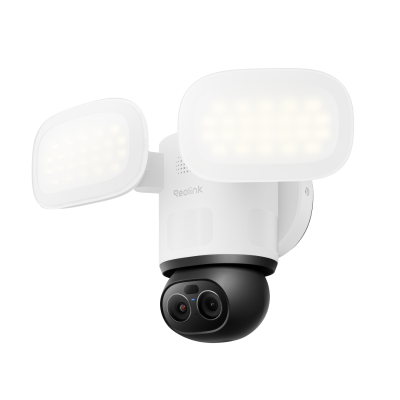
Smart 4K 360° Coverage Wi-Fi Floodlight Security Camera
Local AI Video Search, 4K 8MP Ultra HD, 360° Coverage View, 6X Hybrid Zoom, Dual-Color Floodlight.
Option 2: Battery-Powered Camera for Flexible Monitoring
Recommended solution:
- The Reolink Altas PT Ultra
Key features:
- Battery-operated CCTV camera with a 20,000 mAh battery
- Supports continuous recording
- ColorX night vision for clear footage at night
Why it helps:
- Enables flexible installation without wiring
- Supports everyday monitoring and control of your garage area
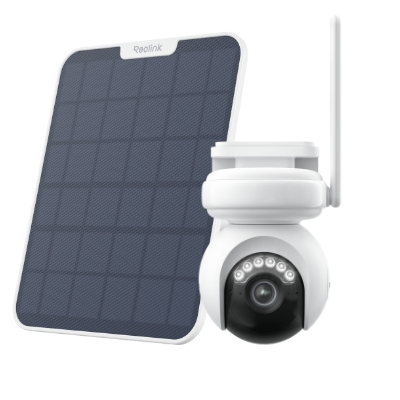
Industry-leading 4K Continuous Recording Battery Camera
4K UHD Continuous Recording; ColorX Night Vision; Pan & Tilt; Automatic Tracking; All Recordings Stored Locally.
FAQs
Can you disable the sensors on a garage door?
Yes, you can disable garage door sensors, but it is not recommended for regular use. These sensors are designed as a safety feature to prevent the door from closing on people, pets, or objects. Disabling them should only be done temporarily for troubleshooting, and the sensors should be repaired or replaced as soon as possible.
Can I use a jumper wire to bypass a garage door sensor?
Yes, a jumper wire can be used to bypass a garage door sensor by completing the circuit, but this method should only be used temporarily. It bypasses the safety system entirely, which increases the risk of accidents or damage. Always restore the sensor system after testing or repairs.
How to override safety sensors on LiftMaster garage door opener?
To override safety sensors on a LiftMaster garage door opener, press and hold the wall-mounted control button continuously until the garage door fully closes. This temporarily overrides the sensors. However, this is only a short-term solution—if the sensors are not working properly, they should be realigned, cleaned, or repaired to ensure safe operation.
Will garage door work without sensors?
A garage door can technically function without sensors, but it is strongly discouraged as it greatly compromises safety.
Conclusion
While bypassing garage door sensor can sometimes provide a temporary solution to issues, it should only be considered when all other troubleshooting measures have been exhausted and safety precautions are taken.
If you encounter persistent problems with your garage door sensors, it's strongly recommended to consult a professional technician for a comprehensive inspection and proper repairs.
If you like this article and find it helpful, share it with your friends. Got something to say about bypass garage door sensor? Make sure you leave a comment below!
Search
Subscribe for the Latest Updates
Security insights & offers right into your inbox