
What Is a Blizzard Warning? Meaning, Criteria, and Impacts
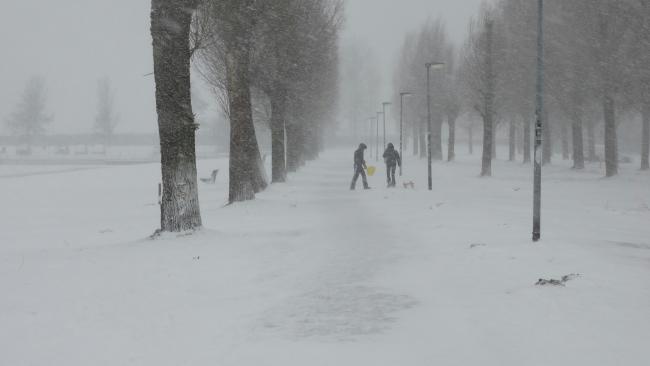
Winter weather creates challenges that touch daily life in many areas. People hear about storm alerts often, but they rarely grasp the full details of a blizzard warning. This article dives into the blizzard warning meaning. It also explains the criteria that set it apart and the effects it brings to communities. Readers will discover what sparks this alert and how they can handle it when it comes.
What Is a Blizzard Warning?
Weather experts refer to a blizzard as an intense winter storm. This storm combines an intense snowstorm with intense winds. The National Weather Service in America is the official standard. Winds need to blow greater than 35 miles an hour.
A blizzard warning is a warning to the public that this type of storm will occur soon. Local authorities send this warning. They do so, so that people have time to prepare for the hard weather.
Blizzard Warning Meaning in Different Regional Adaptability
Regions across the world deal with winter storms. Each area changes the blizzard warning to suit its own conditions. Weather services adjust definitions based on climate and land features.
-
United States: The National Weather Service demands winds over 35 miles per hour. Visibility must drop under a quarter mile due to snow for three hours. This firm rule covers the whole country. It targets the central and northern states where blizzards strike the hardest.
-
Canada: Environment Canada follows a close pattern. Winds go above 40 kilometers per hour, which equals about 25 miles per hour. Visibility falls below one kilometer due to blowing snow for at least four hours. They stress quick snow buildup in the prairie provinces.
-
United Kingdom: The Met Office releases a "severe weather warning" for blizzards. Winds top 48 kilometers per hour, or 30 miles per hour. Visibility drops below 400 meters due to snow. This matches the less severe but still dangerous winters in northern England and Scotland.
-
Russia: The national weather service warns of blizzards when winds reach 15 meters per second, about 33 miles per hour. Snow cuts visibility to under 500 meters. Regions in Siberia experience the most common and fierce versions of these events.
-
Scandinavia (Norway and Sweden): Meteorological institutes set it as winds stronger than 20 meters per second, or 45 miles per hour. Heavy snow causes near-zero visibility for several hours. Arctic effects make these warnings routine in coastal spots.
Secure your home this winter with Reolink cameras even during blizzard. Monitor your property in real time, receive instant motion alerts, and stay protected from snowstorms to freezing nights.

16MP Dual-Lens IK10 Vandal-Proof PoE Camera
16MP Ultra HD, 180° Panorama, Motion Track, IK10 Vandal-Proof, color night vision.
When Is a Blizzard Warning Issued?
Forecasters send out a blizzard warning when their data shows a storm will hit the main thresholds shortly. They usually release the alert 24 to 48 hours before the blizzard reaches the area. This advance notice lets people gather supplies and set plans. Sometimes warnings arrive as early as 72 hours if models show a steady path. The choice depends on clear weather signals. Winds must hit at least 35 miles per hour.
Which Areas Are Most Affected by Blizzard Warnings?
Blizzards target cold zones where moisture collides with fierce winds. Some locations see them far more than others. Communities in these high-risk areas learn to spot patterns early. They stock tools and train teams to handle the snow loads.
United States
The central and northern sections of the United States take the heaviest blizzard hits. The Great Plains lead the way, stretching from the Dakotas to Kansas. Cold air battles warm moisture from the Gulf in this zone. Cities such as Chicago and Denver grind to a halt under these storms.
The Midwest faces "panhandle hooks" that drop feet of snow in mere hours. East Coast spots like Boston tackle nor'easters. These bring ocean flooding right with the blizzards. In 2023, more than 20 warnings touched millions in these states. Farms in rural areas lose crops due to the weight. Urban hubs buckle under blackouts that last days.
Canada
The prairie provinces of Canada bear frequent blizzards. Manitoba, Saskatchewan, and Alberta are close to the top of the list. The flat land leaves no obstacles as the arctic air rushes south. Winnipeg records some of the coldest and snowiest storms on record in the world.
Eastern provinces like Ontario and Quebec fight the effects of the Great Lakes. It builds in narrow bands. In 2022, one big storm shut down highways from Toronto to the Rockies. Indigenous groups in the north draw on old knowledge to prepare. These warnings protect lives. They close far-off roads well ahead of time.
Europe
Northern Europe handles the main load of blizzards. These differ from those in North America. The United Kingdom's Scotland and northern England catch them when Atlantic storms drag in polar air. Germany's Alps and Poland's flatlands are ruined by stalled continental systems that are gaining strength.
Scandinavia, and especially the fjords of Norway encounters cruel winds from the North Sea. In 2018, Storm Emma brought blizzard weather to Ireland and the UK. It was leaving travelers stuck for days. Eastern Europe, from the Baltics to the Balkans, is undergoing rare but fatal strikes as the Siberian cold is pushing in. These regions put money into snow plows and safe spots. The goal is to fight the cutoff that storms cause.
What Are Dangers and Impacts of a Blizzard Warning?
Blizzards carry threats that go far past the chill. They touch health, movement, and money matters in deep ways. A warning points to more than just snow. It flags a chain of issues that can bury areas without plans. The next sections look closely at each big threat.
Hypothermia and Frostbite
People who are stuck outside in a blizzard lose their body heat quickly. Winds strip the layers of warm air against the skin. Wet snow has a quick-chilling effect on the body. Hypothermia begins when the body becomes less than 95 degrees Fahrenheit. Signs include mix-ups of thought and shakes that lead to a fading out as the body starts to slow down.
Frostbite strikes open spots like fingers and ears. It blackens the tissue without care. During the 1978 Blizzard of '78 in the Midwest, more than 100 deaths were tied to these cold harms. Hospitals treat a rush of patients. Recovery drags on for weeks or months.
Traffic Accidents and Road Closures
Strong winds and poor sight change roads into danger zones. Drivers fail to spot lane marks or other cars. This leads to big crashes. Snow-covered highways spark slides. Black ice lurks under new flakes.
One storm can seal off thousands of miles of major routes. The 2021 Texas blizzard left drivers trapped for days. It sparked wrecks that hurt hundreds. Rescue teams face their own risks to help. Late plowing makes the mess worse. Shops miss out on sales as staff head home.
Power Outages and Home Hazards
Thick snow breaks power lines. It buries transformers in ice. Winds knock trees onto cables. Homes sit in the dark and cold as a result. Without heat, room temperatures crash. This boosts the chances of carbon monoxide from bad generators.
The 1993 Storm of the Century cut power in the Southeast for weeks. It racked up billions in costs. Food rots in freezers. Medical tools stop working without juice. Utility workers send teams ahead. Blizzards push even solid setups to the limit.
Isolation and Supply Shortages
Blizzards pile snow over doors and clog paths. They trap folks inside their homes. Rural spots hurt the most. Plows hit cities first. Food and drugs dwindle when shipments halt. The old and sick face the top risks without fast support.
In Canada's 1999 Ice Storm, groups traded items for days on end. The mind takes a hit from being cooped up. Search groups fight to aid the cut-off. Leaders pile up key goods. Demand always jumps higher than stocks.
What to Do During a Blizzard Warning?
Getting ready counts the most when a blizzard warning sounds. Folks who move fast dodge the hardest hits. They keep their loved ones out of harm. Local news and phone apps give fresh updates.
-
Stay Indoors and Limit Travel: Go inside right when the warning drops. Skip roads unless the trip holds a real need.
-
Your Home for Cold: Block windows and doors with towels to stop air leaks. Wrap pipes to keep them from freezing. Set out extra blankets and warm outfits for all.
-
Check on Neighbors and Vulnerable People: Contact the old, kids, and those with body issues close by. Bring them goods or share a heated room.
-
Follow Official Updates and Have an Emergency Plan: Listen to the radio or TV for orders to leave or boil water. Build a family outline with meet-up points and phone lists.
FAQs
What does a blizzard warning mean?
A blizzard warning signals that harsh winter weather is headed your way soon. It includes winds faster than 35 miles per hour. Snow will drop visibility to under a quarter mile for three hours. Weather teams send it to push folks to get ready.
Is there a freezing rain warning in Ontario?
Yes, freezing rain warnings operate in Ontario under Environment Canada. They stand apart from blizzard alerts. The warning flags rain that turns to ice on touch. This coats roads in slick layers and snaps power lines.
Where will Storm Claudia hit?
Storm Claudia struck as a 2024 low-pressure event in Europe. It mainly battered southern France, Spain, and sections of Italy. Heavy rains and gusts marked its path. Blizzard touches reached high spots in the Alps. It skipped the north. Paths for future storms rely on weather models.
Conclusion
This article laid out the core of a blizzard warning. It went from the main meaning to the rules that call it, and the broad effects on people and spots. Knowing the blizzard warning meaning lets folks make wise moves against the winds, snow, and alone time. Highlights cover shifts by region, top hit zones, body risks, and easy safety acts.
Readers grasp how to catch these alerts and meet them head-on. Did a blizzard warning ever catch you off guard? Your tales bring fresh light to these talks.
Search
Subscribe for the Latest Updates
Security insights & offers right into your inbox