
Best Road Trip Routes in Europe
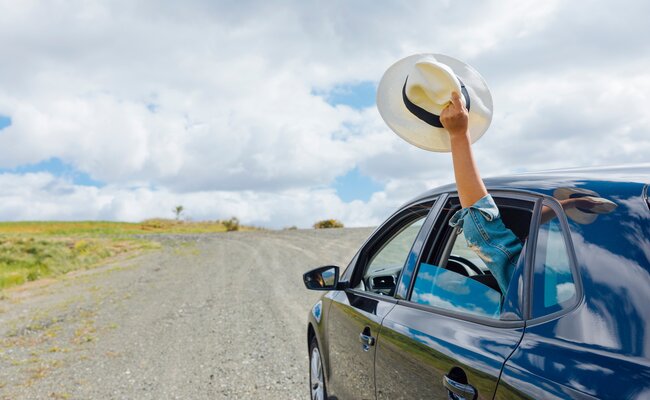
In road trips, you can explore hidden gems that trains and planes simply cannot reach. However, choosing the right route could be a bit difficult.
In this article, we will share the 10 best road trip routes in Europe. We will unveil the best time for a European road trip and explain how to choose the best route. We will also share some excellent tips to make your trip route more enjoyable.
10 Best Road Trip Routes in Europe
The following ten routes represent the absolute best of European driving according to travel experts at AOL and Travel + Leisure. Each offers a unique blend of stunning scenery and memorable stops.
- Italy's Amalfi Coast Drive takes 2–3 days. You will wind along cliffside roads overlooking the Tyrrhenian Sea, with stops in Positano's colorful hillside villages and the historic Amalfi Cathedral.
- Iceland's Ring Road requires 7–10 days. Highlights include thundering waterfalls like Skógafoss, black-sand beaches, and glacial lagoons.
- Scotland's North Coast 500 needs 4–7 days. This route passes Dunrobin Castle and the challenging Bealach na Bà mountain pass.
- Romania's Transfagarasan Highway takes 2–3 days. Called "the world's best driving road" by Top Gear, it features Bâlea Lake and countless switchbacks.
- Germany's Black Forest route requires 3–5 days. Start in Freiburg to see Münster Cathedral, then drive the B500 past Titisee and the Triberg Waterfalls.
- Switzerland's Grand Tour needs 7–10 days to cover 1,000 miles of alpine passes.
- Norway's Lofoten Islands take 3–5 days. Summer is best for driving this coastal route, with fishing villages like Reine offering hiking and northern lights viewing.
- Ireland's Wild Atlantic Way spans 1,600 miles with highlights including the Cliffs of Moher and charming harbor towns like Kinsale.
- Croatia's Dalmatian Coast from Dubrovnik to Pula is approximately 465 miles. Highlights include Dubrovnik's medieval Old Town and Pula's Roman amphitheater.
- Portugal's Braga to Faro route clocks in around 430 miles, with notable stops in Porto and the Algarve's white sand beaches.
Best Time for a European Road Trip
The ideal window for a European road trip is during the shoulder seasons. According to Travel Counsellors, traveling between April and June or September and early November lets you hit the "sweet spot" between peak and off-season. You will encounter fewer crowds and better-value accommodation.
Spring (April–June) brings blooming wildflowers across the Alpine regions. Mountain passes begin reopening after winter snow closures. The weather is mild and comfortable for long days of driving. However, some high-altitude passes may still have limited access in early April.
Summer (July–August) brings peak crowds and higher prices, especially along coastal routes like the Amalfi Coast. However, this is the only time to access high-altitude passes and Norway's northern routes. Winter (November–March) sees many scenic roads closed due to snow, though southern routes through Spain and Greece remain drivable.
Autumn (September–October) is equally spectacular. Summer crowds have dispersed, and fall colors transform mountain forests into brilliant shades of gold. The grape harvest season begins in wine regions like Tuscany. Keep in mind that many Alpine passes close by early October.
How to Choose the Best Route?
With so many incredible options, picking the right European road trip can feel overwhelming. The key is to match the route to your travel style, available time, and season.
For first-time road trippers: Start with well-established routes like Ireland's Ring of Kerry or Germany's Romantic Road. These have excellent signage and manageable daily driving distances.
For nature lovers and photographers: Choose Iceland's Ring Road for otherworldly landscapes or Norway's Atlantic Road for dramatic ocean views. The Dolomites circuit in Italy also offers stunning mountain scenery.
For history and culture enthusiasts: Drive the Causeway Coast in Northern Ireland for castle ruins. France's D-Day beaches route or Germany's Fairy Tale Road bring history to life at every stop.
For wine and food lovers: Tuscany's wine tour through the Chianti region or Portugal's Douro Valley vineyard trails are perfect choices for culinary travelers.
For summer travel (June–August): Focus on northern routes like Iceland's Ring Road or Scotland's North Coast 500. These avoid the intense Mediterranean heat. Book accommodations well in advance.
For spring and autumn travel: Choose Mediterranean routes like the Amalfi Coast or Albania's Riviera. These have mild temperatures and manageable crowds during shoulder season.
For winter travel (November–February): Stick to southern Europe. Spain's Costa del Sol or Greece's Peloponnese remain drivable. Avoid Alpine routes unless you have winter driving experience.
Essential Road Trip Tips
Here are some important tips to make your trip problem-free and more enjoyable.
Double-check your rental car details: Make sure you specifically request an automatic transmission if you cannot drive a manual. European rental fleets are predominantly stick shift. Pack light, as European cars often have smaller trunks.
Understand cross-border rental fees: Returning a rental car in a different country can triple your daily rate. Plan a loop route that starts and ends in the same city whenever possible.
Get an International Driver's Permit: While rental counters rarely ask for it, countries like Austria and Italy legally require one. Obtain it easily at your local AAA office before departure.
Check vignette requirements before crossing borders: Countries including Austria, Switzerland, and Slovenia require national driving passes called "vignettes." Fines for missing vignettes can exceed €100.
Know how petrol stations work: Most of Europe operates on a "fill first, pay inside" system. Remember that fuel prices are listed per liter, not per gallon. One gallon equals approximately 3.8 liters.
Secure your accommodation and vehicle: When staying in urban centers, park your car in a secure garage. City centers are designed for foot traffic, not vehicles.
Keep an eye on your belongings with portable security: While road tripping, you will frequently leave valuables in your car or hotel room. The Reolink Argus MagiCam is a portable 2MP wireless camera with magnetic mounting for easy installation anywhere. It provides up to 9 months of battery life and supports dual-band 2.4/5GHz Wi-Fi. It's perfect for keeping an eye on your campsite or rental property while you explore.

2MP Wireless Power-Efficient Camera
Magnetic Mounting for Easy Installation, Max. 9-Month Battery Life, Dual-Band 2.4/5GHz Wi-Fi, No Monthly Fees.
FAQs
What is the most scenic road trip in Europe?
Many experts consider Norway's Atlantic Road the most beautiful, described as "8.3km of island-hopping bridges" with stunning ocean views. Romania's Transfăgărășan Highway is another top contender.
Is it easy to road trip across Europe?
Yes, with proper planning. Roads are well-maintained, and borders between Schengen countries are mostly open. However, each country has different driving laws and vignette requirements.
How long do you need for a Europe road trip?
It depends on your route. A single country like Slovenia can be explored in 3–5 days. A multi-country loop requires 7–10 days. Experts recommend "two or three regions are plenty for a weeklong trip."
Conclusion
The best road trip routes in Europe offer something for every type of traveler. Iceland's Ring Road delivers incredible waterfalls and volcanic landscapes. Italy's Amalfi Coast serves cliffside villages and Mediterranean views. Romania's Transfăgărășan Highway offers hairpin turns through the dramatic Carpathian Mountains. The key is matching the route to your time and driving comfort. Spring and autumn are ideal seasons with fewer crowds. Follow the tips we have shared to make your trip more enjoyable.
Search
Subscribe for the Latest Updates
Security insights & offers right into your inbox