
Mailbox Cameras: Guide to Prevent Mail Theft & Vandalism
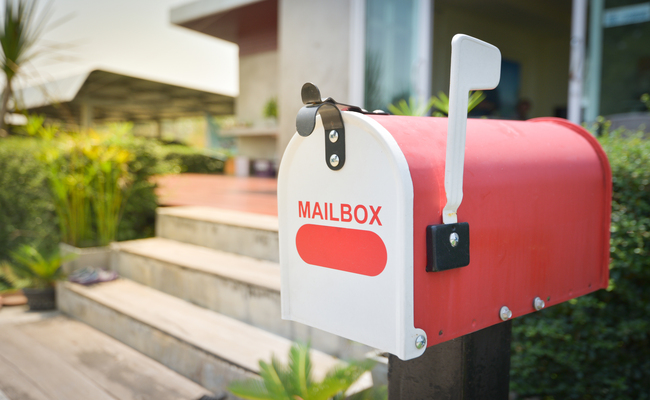
Protecting your mailbox from theft or vandalism requires more than just hiding a camera inside it. The best mailbox security camera depends on your mailbox material, the distance from your home's Wi-Fi router, and whether you need to identify faces or just receive motion alerts.
If you are dealing with stolen mail or damaged property, placing a security camera near or on your mailbox can give you the evidence you need. However, doing it wrong can lead to dead batteries, blocked Wi-Fi signals, or even federal legal trouble. This guide breaks down what actually works, what fails, and how to stay legally compliant.
The Legal Reality: Can You Put a Camera in a Mailbox?
Yes, you can generally install a security camera near or aimed at a privately owned residential mailbox. However, installing a camera inside an active mailbox may raise compliance concerns if it alters the box or interferes with delivery. Before mounting any device, determine mailbox ownership and review relevant postal and privacy laws.
-
USPS-Owned Cluster Mailboxes: Mailboxes used for USPS delivery are protected under federal law, and USPS-owned Cluster Box Units (CBUs) generally may not be modified without authorization. If your community mailbox is owned or controlled by the Postal Service, you should not install a camera inside the unit without obtaining permission from your local postmaster. Unauthorized alterations could violate postal regulations or interfere with mail delivery.
-
Privately Owned Residential Mailboxes: Homeowners typically own their residential mailbox, but the mailbox remains part of the USPS delivery system and is subject to postal regulations. Security cameras mounted on your property and directed toward the mailbox area are generally permissible, provided they do not obstruct or interfere with mail delivery. Installing surveillance equipment inside the mailbox itself is a legal gray area and should be approached cautiously.
-
Audio Recording Laws: Video recording is in public view is widely permitted, but audio capture is heavily restricted. Under federal wiretapping laws (18 U.S. Code § 2511), audio recording without proper consent is illegal. While many states follow one-party consent, two-party consent states strictly require permission from all recorded individuals (RCFP State Recording Laws Guide).
-
Best Practice: Disable audio recording on mailbox-monitoring cameras to avoid wiretap liabilities while still maintaining full video protection against vandalism and mail theft.
Mailbox Camera Mistakes to Note (And What to Do Instead)
Metal mailboxes act as Faraday cages, completely blocking Wi-Fi signals. A camera placed inside a metal box will likely drop its connection and suffer severe battery drain in cold weather.
Community forums like r/homesecurity highlight that placing a wireless camera inside a residential mailbox is often impractical. Here is what usually goes wrong and how to fix it:
-
The Wi-Fi Signal Block: A metal mailbox acts as a Faraday cage, blocking Wi-Fi and Z-Wave signals. If your camera cannot connect to the internet, it cannot send you alerts.
Solution: Use a Wi-Fi camera mounted on a wooden post outside the box, or use a house-mounted PoE camera zoomed in on the mailbox.
-
Cold Weather Battery Drain: Battery-powered cameras drain rapidly in cold weather. Inside a dark, uninsulated metal box during winter, a camera may not perform optimally.
Solution: Use a solar-powered camera mounted outside, or a hardwired camera from your house.
-
Limited Field of View: A camera hidden inside a mailbox only sees what is directly in front of the opening. It won't capture a thief's face or vehicle details.
Solution: Mount a camera higher up, either on the mailbox post or on your home's exterior, to capture a wider panoramic view.
Buying Security Cameras for Mailboxes: What to Look for & Best Picks
The two most critical features of a mailbox security camera are clear day-and-night video quality and reliable motion detection. Without clear footage and accurate event detection, even a durable camera provides limited security value. Weather resistance is also essential for outdoor use.
Here are some of the essential factors to look for:
Resolution & Night Vision
To catch the mailbox vandals and car burglars in the act, sharp image quality and excellent night vision top the must-have feature list for mailbox CCTV cameras.
Boasting super high resolution like 4MP, 5MP and even 4K, high resolution security cameras like the Reolink RLC-810A even allow you to record the plate licenses and identify the face features of vandals.
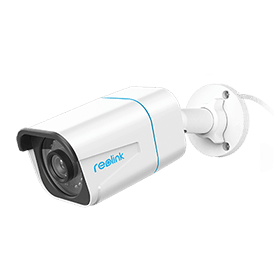
4K PoE IP Camera with Person/Vehicle Detection
Smart Person/Vehicle Alerts; 4K UHD Day; Night; 100ft Night Vision; Time Lapse; IP66 Certified Weatherproof; Audio Recording.
So, when the car or mailbox vandalism is caught on such CCTV cameras for mailboxes, it takes less effort to recognize the mail thieves or vandals with the help of clear footage.
And it has been proven to work:
These are some of the key specs to check in a mailbox security camera's product page before purchasing:
Resolution (1080p or higher)
Resolution determines the level of detail a camera can capture. A mailbox security camera with at least 1080p Full HD resolution can produce clearer images, making it easier to identify faces, clothing, vehicles, and other important details. Higher resolutions such as 2K or 4K provide even sharper footage, which can be especially useful when you need to zoom in on recorded video without losing significant image quality.
Field of View
The field of view refers to how much area the camera can monitor. A wider field of view allows the camera to cover not only the mailbox itself but also nearby walkways, driveways, and approach paths. This helps reduce blind spots and increases the likelihood of capturing suspicious activity before someone reaches the mailbox. However, an extremely wide angle may make distant objects appear smaller, so it's important to balance coverage with image detail.
IR Range (Infrared Night Vision Distance)
IR range indicates how far the camera's infrared LEDs can illuminate and capture footage in low-light or completely dark conditions. A longer IR range provides better visibility at night, allowing the camera to monitor activity farther from the mailbox. For most residential mailbox installations, the IR range should comfortably cover the distance between the mailbox and the surrounding area where people or vehicles may approach.
IR Cut Filter
An IR cut filter is a feature that automatically switches between daytime and nighttime modes. During the day, the filter blocks unnecessary infrared light to maintain accurate colors and prevent images from appearing washed out. At night, the filter moves away to allow infrared light into the lens, enabling clear black-and-white night vision. This technology helps ensure sharp, high-quality footage around the clock and improves overall image accuracy.
Weatherproofing Capability
The best mailbox security cameras has to be able to do its duties even under harsh weather conditions. Today, most mailbox security cameras have already implemented advanced weather-resistant designs into the construction of their products.
So, when you shop for IP cameras for mailboxes, be sure to check out their working temperature, humidity and select one with high IP ratings (IP65 or even higher).
Size of Security Cameras on Mailboxes
To make mailbox security cameras less noticeable, it is important to choose small and low-profile ones.
Thanks to their tiny sizes, you are able to hide these small spy cameras in a mailbox, birdhouse or flowerpot effortlessly.
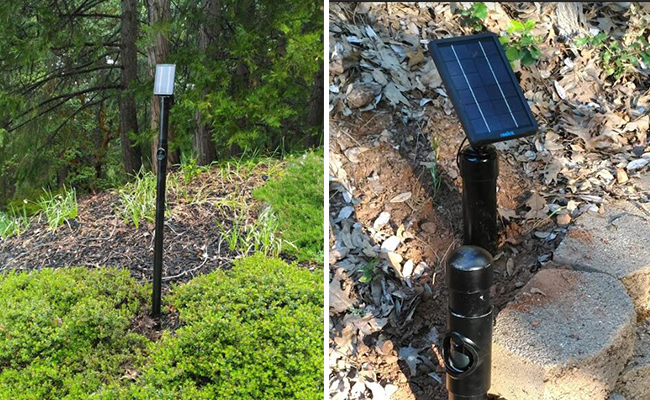
For example, a homeowner has put a Reolink Argus 3 Pro into a PVC pipe and used it to monitor the entrance to his front yard. And it hides so well!
Distance Between Mailbox Security Cameras and Your Home
Aside from the features of security cameras for mailboxes, take the distance between the desired installation spot and your house into consideration as well.
As the distance increases, it becomes way more difficult to run security camera wires outdoors for power supply, let alone handling voltage drop when you run the cables too long.
If you simply don’t want to bother running cables and bury them underground, battery-powered wireless security cameras like Reolink Argus 4 Pro would be better options.
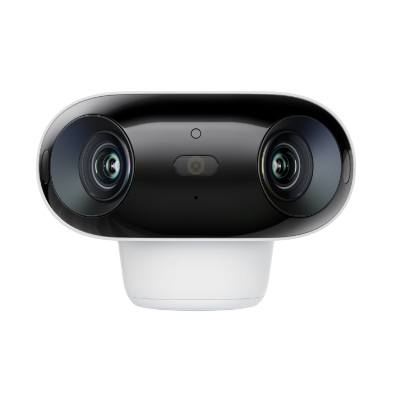
4k 180° Wire-free Color Night Vision Camera
4K UHD 180° Blindspot-free View; Color Vision Day and Night; 30% More Battery Life; Dual-band Wi-Fi 6; Smart detection.
Sporting flexible power options (rechargeable batteries and solar panels), this small security camera for mailbox allows you to set it up in a breeze without running cables and place it at any desired places.
Check out the video footage captured by this security camera for mailboxes.
Buyer Decision Table: Find Your Setup
To help bring further clarity to what’s best for you, we created a Buyer Decision Table to make it easier for you to compare choices with confidence.
FAQs
Is it illegal to put a camera inside my mailbox?
If the mailbox is owned by the USPS, you need permission from your local postmaster. If you own the residential mailbox on your property, you generally can install a camera, provided you disable audio recording in states that require all-party consent.
Will a wireless camera work inside a metal mailbox?
Rarely. Metal mailboxes block Wi-Fi/Z-Wave signals (acting as a Faraday cage). It is better to mount the camera outside the mailbox or use a simple contact sensor inside.
Can I catch a license plate with a mailbox camera?
A camera inside the box won't capture a thief's face or vehicle details. To capture vehicle details, it is better to place a high-resolution camera on the exterior of your house or higher up on the mailbox post.
Conclusion
Securing your mailbox doesn't have to mean navigating federal postal laws or battling dead Wi-Fi zones. Once you know the physical limitations of a closed metal box, finding the right surveillance setup becomes a whole lot easier. Whether you opt for a wire-free, solar-powered camera mounted right on the wooden post or a high-resolution PoE camera safely attached to your home's exterior, the goal is the exact same: keeping your mail, packages, and vehicles safe without the constant maintenance.
Have you already found a clever way to catch mail thieves or monitor your long driveway? Drop your setup in the comments below. We’d love to hear what’s actually working for you out in the wild!
Search
Subscribe for the Latest Updates
Security insights & offers right into your inbox