
Wireless Dash Cam: Upgrade Your Car's Surveillance
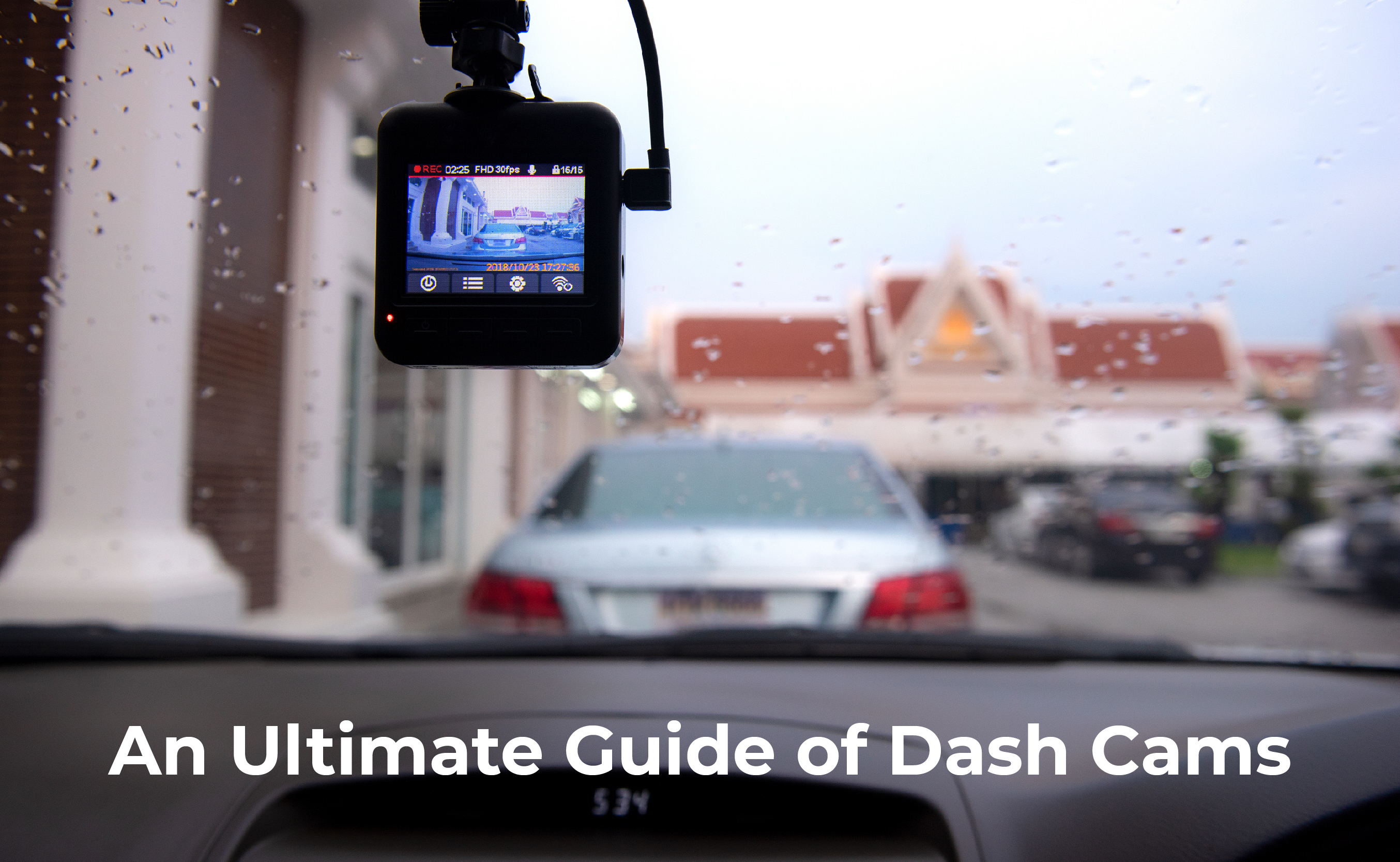
Dash cams are extremely useful for collecting accident evidence, deterring theft, and recording beautiful travel memories. People prefer to install them in their cars to record every moment when they are on the road.
In this article, we will explain what a wireless dash cam is. We will explain its features along with popular brands and alternatives. We will also explain the difference between a wired and wireless dash cam to make your selection easier.
🎉 Exclusive Limited-Time Security Deals
- Save Up to 50% on Bundles & Multi-Packs
- Official Anniversary Sale is live—shop now and save more!
Is There a Wireless Dash Cam?
Yes and no—it depends on what you mean by "wireless."
If you mean wireless connectivity, almost all modern dash cams are wireless. They use built-in Wi-Fi to sync with your smartphone.
If you mean wireless power (no cords), they are incredibly rare. While a few niche models use rechargeable batteries, 99% of dash cams require a power cable plugged into your car's 12V outlet (cigarette lighter) or hardwired to the fuse box to run reliably.
What Is a Wireless Dash Cam?
Wireless dash cameras have a built-in battery to power them. You need to charge the dashcam when required, and then it is ready to work for a limited time. You can either charge using the given adapter or a car cigarette lighter.
The battery powered dash cam no wires design keeps you away from the hassles of running cables. It has a microSD card slot to store the videos.
It uses Wi-Fi or Bluetooth to connect to your device, and usually, these cameras have a mobile app that allows you to connect to the camera and access the recordings easily.
What Are Key Features of Wireless Dash Cam?
When shopping for a wireless dash cam, you need a balance of crisp image quality, reliable power, and smart connectivity. Here are the essential features to consider:
1. High Video Quality & Night Vision
Clear video is non-negotiable; if a camera cannot capture a legible license plate or a face in low light, it won't help you in an insurance claim.
-
Resolution: 4K (2160p) is the gold standard for capturing intricate details like distant license plates. If you are on a budget, 2K (1440p) offers a great balance of clarity and affordability. Avoid 1080p unless it is for a secondary rear-facing camera.
-
Sensor & Night Vision: Look for cameras equipped with premium sensors (like the Sony STARVIS 2) and High Dynamic Range (HDR). This prevents night-time footage from being blinded by oncoming headlights or streetlamps.
-
Field of View (FOV): A wide-angle lens between 140° and 170° is ideal to cover multiple lanes of traffic without causing a distorted "fisheye" effect.
2. Reliable Power: Supercapacitors vs. Batteries
True "battery-powered" dash cams that run for 12 hours do not exist because lithium batteries overheat and swell in hot cars, posing a fire hazard.
Instead, look for a camera powered by a Supercapacitor. While it requires a hidden wire plugged into your car, a capacitor withstands extreme heat and cold, safely saving your footage the moment the car turns off. If you want 12–24 hours of recording while the car is parked, look for a hardware kit or a dedicated dash cam battery pack that connects to your car’s fuse box.
3. High-Speed Wi-Fi & App Seamlessness
Because you will be managing the camera wirelessly, the wireless tech matters:
-
5GHz Wi-Fi: Ensure the camera supports 5GHz Wi-Fi rather than just older 2.4GHz. This allows you to download large video files to your phone up to four times faster.
-
Intuitive Mobile App: The companion app should allow you to view live footage, download clips, and change settings without a glitchy connection.
4. Smart Parking Mode & Impact Detection
Your car needs protection even when you aren't in it.
-
G-Sensor (Buffered Parking Mode): A built-in gravity sensor detects sudden impacts (like a hit-and-run). In parking mode, a good camera will save a clip starting 15 seconds before the impact occurred so you can see exactly what happened.
-
Radar or Motion Detection: Triggers recording only when someone approaches your vehicle, saving power and storage space.
5. Advanced Smart Features (Cloud & GPS)
-
GPS Logging: Automatically embeds your precise speed, time, and coordinates into the video file—crucial evidence to prove you weren't speeding during an incident.
-
Cloud Connectivity & LTE: Premium cameras offer an always-on Cloud feature (via an eSIM or hotspot). If your car is broken into or hit while parked, the camera instantly sends a live video alert to your smartphone and backs the footage up online, protecting it even if the camera itself is stolen.
-
Loop Recording & Auto-Lock: The camera should automatically overwrite the oldest footage when the memory card fills up, but instantly "lock" and protect any footage triggered by an accident.
When to Use Dash Cams without Wires?
While traditional hardwired setups are the industry standard for daily drivers, completely wire-free, battery-powered cameras (or action cameras used as dash cams) have distinct use cases.
1. Frequent Travelers and Rental Car Users
If you travel often for work or vacation, you cannot hardwire a camera or tuck permanent cables into a rental car's trim.
A wire-free, battery-operated camera can be slapped onto the windshield with a suction cup or magnetic mount, paired to your phone in seconds, and removed when you return the keys.
As noted by travelers on the r/roadtrip community on Reddit, having a modular, cord-free device is a game-changer for people who are always on the go or constantly switching vehicles.
2. Fleet Workers, Car-Sharers, and Leased Vehicles
If you drive a company vehicle, use car-sharing services (like Zipcar), or drive a strictly leased vehicle where altering the fuse box violates your agreement, running permanent wires is out of the question. A portable, wireless-power unit lets you protect yourself on the clock and take the camera home when you're done.
3. Drivers with Extremely Short Commutes
If you only drive 2 to 3 times a week for quick errands, you can get away with a rechargeable device without the hassle of a permanent installation.
A driver sharing their experience on the r/Dashcam community mentioned that a wireless-power setup easily handled their short daily commute, requiring them to bring the camera inside just once a week to top off the battery.
What Are Key Differences Between Wired and Wireless Dash Cam?
The choice between a wired and wireless dash cam comes down to how you want to manage your power and how you want to access your data.
Go with a Wireless (Wi-Fi) Dash Cam if:
-
You want instant access to footage: If you get into a minor accident, you can pull over, open your phone app, and immediately show the police officer or insurance agent the video clip without needing a computer.
-
You want a cleaner setup process: Changing settings, formatting the memory card, and updating the camera's software are all done seamlessly through your phone.
Go with a Strictly Wired (Non-Wi-Fi) Dash Cam if:
-
You are on a tight budget: Dash cams without Wi-Fi chips inside are generally much cheaper while still offering great video quality.
-
You prefer simplicity: If you are comfortable just pulling out the microSD card on the rare occasion you actually need to look at footage, you can save money by skipping the wireless features.
Best Wireless Dash Cam Brands and Models
Some popular wireless dash cam brands you can prefer are:
Vantrue
Vanture offers a wide range of high-quality front dash cams, dual dash cams, and multi-channel dash cams. Its cams offer incredible video quality and features.
- Vantrue N4 Pro S (Best Multi-Channel): A premium 3-channel setup (Front, Cabin, Rear) utilizing Sony STARVIS 2 sensors. It records in true 4K up front and uses HDR to cleanly capture license plates at night, making it a favorite for rideshare drivers.
Nextbase
Nextbase is a trusted brand for car technology. It offers innovative and stylish dash cams with excellent features. It has taken the cam experience to the next level by integrating AI for threat detection and alerts.
- Nextbase iQ 4K (Best Smart / AI Cam): The pinnacle of their AI tech. It is an "always-connected" smart cam with a built-in 4G SIM card. It uses custom-trained AI to monitor threats around your parked car, offers real-time Live View via your phone, and includes a Witness Mode voice command to instantly save video to the cloud.
Garmin
Garmin offers pocket-friendly dash cams for a wide range and tons of options. The dash cams are simple, affordable, and value for the money. If you are on a tight budget, you can go with its cameras.
- Garmin Dash Cam Mini 3 (Best Budget / Discreet): Literally smaller than a car key and has no screen. It hides away perfectly, records in 1080p, and relies entirely on voice control and a clean smartphone app.
Thinkware
Thinkware offers dash cams from 1080p to 4K resolution. You can find affordable as well as top-notch quality dash cams with a premium price tag.
- Thinkware F70 Pro (Best Affordable 1080p): A sleek, screenless 1080p option that brings Thinkware's dependable parking tracking and thermal resistance down to an entry-level price point.
Can You Use Wireless Security Cameras as Alternatives to Wireless Dash Cams?
While you can technically use a home wireless security camera to watch your car, it only works when the car is parked within range of your home Wi-Fi or 4G network. Trying to use one as an alternative to an actual dash cam while driving is highly impractical and generally won't work.
Best Reolink Wireless Dash Cam Alternatives When Parking
4K Dual-Lens Wi-Fi Solar/Battery Camera for Car - Reolink Argus Track
Argus Track is a dual-lens battery/solar-powered camera. Its wide-angle lens captures 4K resolution, which ensures optimal clarity. The telephoto allows you to zoom into objects up to 6X. You can enjoy fine details of cars, clear license plates, etc. It has a long-lasting, non-removable battery that offers up to 24 hours of continuous performance on one charge.
It's a Wi-Fi 6 dual-band camera that offers high speed and a smooth live experience. Its color night vision captures true colors and clear details at night. It also protects your vehicle through the siren, flashlight warning, and deters intruders. You can install it on your dashboard and capture high-quality videos.
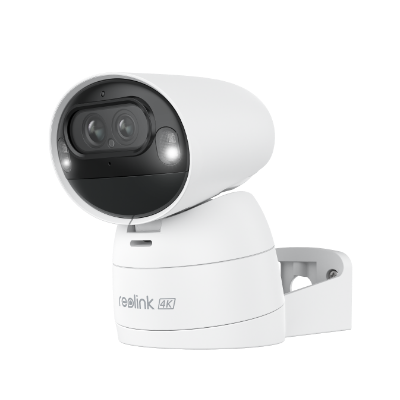
4K Dual-Lens Wi-Fi Solar/Battery Camera
4K 8MP Ultra HD, Auto-Zoom Tracking, Pan, Tilt & 6X Hybrid Zoom, Color Night Vision, Dual-Band Wi-Fi.
4G Cellular Security Camera for Car - Reolink Go PT Ultra
If you need to monitor a vehicle parked entirely out of range of your home Wi-Fi network—such as an RV at a remote campsite, a work truck on a construction site, or a car left in a distant apartment lot—the Reolink Go PT Ultra is an exceptional off-grid solution.
By combining 4G LTE cellular data with a pan-and-tilt motorized design, it acts as a standalone virtual security guard for your vehicles, completely free from the limitations of wires and Wi-Fi.
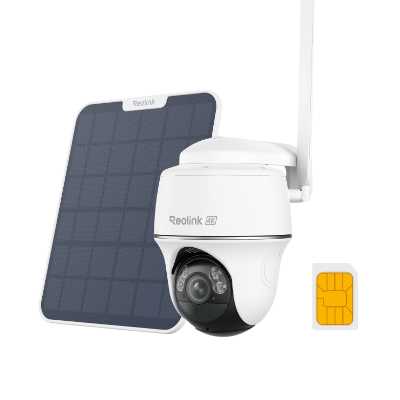
4K 8MP Wire-Free 4G LTE PT Battery Camera
4K 8MP; Smart Detection; 355° Pan & 140° Tilt; Battery/Solar Powered; Color Night Vision; Smart Real-Time Alert.
FAQs
1. Can a dash cam work without being plugged in?
Yes, wireless dash cams have built-in batteries. Once they are charged, they do not need to be plugged in. They store footage in microSD cards. They use Wi-Fi to connect to the smartphone.
2. What is a wireless dash cam front and rear?
There are two dash cams. One is for the front view, which is installed on the windshield or dashboard. The second one was installed on the rear windshield to capture the rearview. Both these cameras record footage and save it on their microSD cards.
3. What is a mirror dash cam with a wireless rear camera?
Mirror dash cam is used in place of the rear mirror in a car. It shows the rear view more clearly and is quite helpful when reserving and parking the car.
4. Is there a battery powered dash cam no wires?
Yes, you can easily find a battery-powered dash cam online. If you want excellent results, you can go with Reolink Argus Track. It is also a battery-powered camera and can be used as a wireless dash cam.
5. How are wireless dashcams powered?
Most wireless dash cams draw power from your car’s 12V outlet, a hardwiring kit, or a dedicated battery pack. Some models can connect via the OBD-II port, and a few even offer solar charging for outdoor parking.
Conclusion
A wireless dash cam is extremely easy to install, and that's the reason people prefer to use it. It is almost like a DIY process. While buying a wireless dash cam or a battery-powered dash cam, make sure to consider the important factors we have discussed. It will help you buy the best dash cam according to your needs. You can also consider the top brands we have shared.
If you want an affordable solution with high-resolution videos, you can go with Argus Track. It can be used as a dash cam and offers long battery life and excellent features.
Search
Subscribe for the Latest Updates
Security insights & offers right into your inbox