
What Is Loitering? Definition, Examples & Legal Meaning
Loitering meaning refers to a person who stays in a spot for a long time without a clear reason tied to that place. Police, city councils, and owners watch this conduct because it can upset safety and trade. This article explains the definition of loitering, shows common examples, reviews its legal status, and offers tips to prevent it. Each part builds on the last part to give readers a full concept.
What Is Loitering?
Loitering looks simple at first. Someone stands, sits, or wanders in one spot. Yet the act gains legal weight when it disturbs order or sparks fear. Below, we break the idea into its basic parts.
General Meaning
In colloquial language, to loiter is to hang around or fritter away in a public or privy place where you have no definable intention connected with that place. It may be somebody standing on the sidewalk, lounging outdoors, or sitting in a lobby. The most important one is the absence of a specific task, either waiting in line, meeting a friend, or purchasing goods. Loitering is also noticed when the individual spends a lot of time standing in one place, preventing other people or making others uncomfortable.
Legal Definitions
Statutes shape the term. The language adopted by most states in the United States associates loitering with intent. A large number of codes define a person as loitering when he stands or is moving around without lawful business, when he demonstrates a desire to act against a crime as drug trade or theft.
A case of the United States Supreme Court, Papachristou v. The case of City of Jacksonville (1972) overturned an uncertain vagrancy law, on the basis of being too broad. Contemporary lawmakers reacted to this problem by inserting the explicit wording. The time constraints or time marking are observed in some cities.
What Are Common Examples of Loitering?
People meet the loitering label in many settings. The next sections outline typical scenes so readers can spot the behavior when they see it.
Outside Retail Stores
Teenagers may lean on a shop wall for an hour after class, play loud music, and have no plan to shop. Their presence can stop paying customers from entering because patrons fear trouble or feel crowded. Store owners often post signs and call security to move them along.
At Transport Hubs
Some travelers sit on benches at bus or train stations long after their ticketed trip passes. They may ask strangers for spare change or watch bags. Security officers treat this conduct as loitering, especially late at night when staff numbers fall, because theft and assault risks rise then.
Near Schools
Adults with no child enrolled may wait near a playground fence. Even if they claim harmless motives, parents and teachers see a risk. Many school districts post “No Loitering” signs and ask police to check the area. Quick checks protect children and calm the community.
In Parking Lots
Groups can gather around cars in a lot, talk loudly, and drink from open cups. Store managers worry about property harm or fights. Many lots close at set hours, and staying beyond those hours fits the loitering label. Video cameras often back up trespass warnings.
Public Parks
Parks welcome rest, yet long idle stays can cross a line if people watch others, block paths, or push for drug sales. Rangers look at the length of stay, the group’s actions, and any reports from visitors before they label the activity as loitering.
Is Loitering Illegal?
Loitering laws differ by state and city. Standing still is not a crime by itself. Laws step in when other factors join. Below are the main legal points.
- Suspicious intent linked to crime: Many codes require proof that the person aims to break the law, such as selling drugs, vandalism, or scouting for theft. Officers watch gestures, the time of day, and spoken words.
- Protected zones: Statutes often list schools, child care centers, and public restrooms as high-risk sites. Idle presence near these places can trigger quick action and higher fines.
- Notice requirements: Some ordinances require a clear verbal notice first. Officers must tell the person to leave. If the person stays, the police may issue a ticket or arrest.
- Curfews and time limits: Many cities set curfew hours for minors. A youth standing on a corner after 11:00 p.m. in breach of curfew receives a loitering citation. Adults can face similar limits in transit stations.
- Trespass overlap: Private property owners can ban entry. When a person stays after a direct order to leave, the conduct changes from loitering to criminal trespass.
Why Loitering Is a Concern?
Many groups see harm in unchecked loitering. Below are the prime reasons.
- Public safety: Large idle crowds can hide individuals who plan theft, assault, or drug deals. Steady patrol work grows harder when officers must sort harmless and risky people.
- Crime deterrence: Clear no-loitering rules help officers act before a crime starts. Early contact often stops planning of illegal acts and signals that the area is under close watch.
- Business impact: Patrons often avoid stores that have loiterers near the door. Sales dip, and owners might cut staff hours or close early, which can weaken a local economy.
- Quality of life: Residents value walkable, calm streets. Persistent idle groups may litter, block sidewalks, or blast music, which lowers comfort for families and older adults.
- Property upkeep costs: Broken bottles, graffiti, and trash often follow long idle stays. Owners then pay extra for cleaning and repairs.
What Is Loitering vs. Prowling? Key Differences
Many ask what is loitering and prowling and how they differ. Prowling involves secret or stealth movement near a home or business, often at night. The table below shows core contrasts.
How to Prevent Loitering?
Property owners and local leaders can lower loitering through clear action steps.
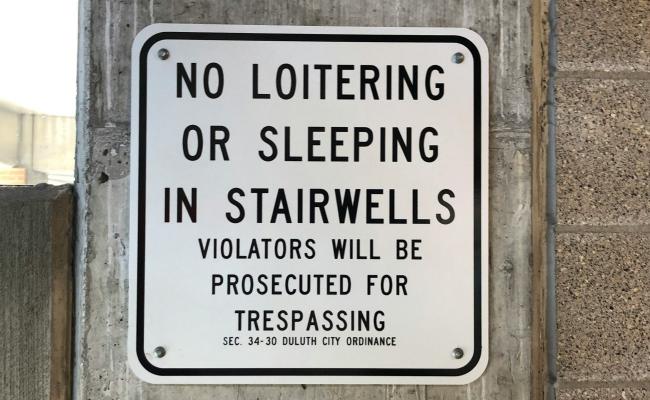
- Post clear signs: Signs that cite local code numbers inform people of limits and help police enforce rules. The text should use plain wording and large print.
- Improve lighting: Bright, even light cuts hiding spots and makes the area less friendly to idle groups. Motion sensors save energy yet keep corners lit when someone walks by.
- Use anti loitering device options: Devices that play high-frequency sound, audible mostly to youth, or speakers that broadcast classical music can make a spot less comfortable for long stays without harming anyone. You can also opt for security cameras equipped with motion-activated lights to alert you to anyone loitering near your property.

Reolink Security Camera Sale - Secure Your Home with Huge Savings!
Save big with Reolink! Special deals on security cameras, doorbells, and systems.
- Schedule regular patrols: A visible security team or police patrol causes the swift movement of idle persons. Community watch teams can add eyes when budgets stay tight.
- Maintain clean grounds: Fresh paint, trimmed shrubs, and litter control send the message that owners watch the space daily.
- Engage the community: When neighbors report issues, share footage, and attend meetings, city officials learn about hotspots and act faster.
FAQs
Is loitering illegal in the US?
Many state and city rules ban loitering tied to crime or refusal to leave after a clear order. The U.S. does not have a single federal law. Penalties range from warnings to fines or short jail stays. Each person must check local ordinances before they linger or wait very carefully.
Why did loitering become illegal?
City leaders in the past saw that idle groups near shops, schools, and homes led to vandalism, theft, and fights. They passed laws to move people along before trouble began. Today, these laws still aim to stop crime early and keep public space open for peaceful users at all times.
What is the legal definition of loitering?
Most codes call loitering remaining in a place without an apparent legal purpose under circumstances that raise fear or suspicion of crime. Some laws add that ignoring a lawful order to leave completes the offense. Penalties differ, yet the core idea stays the same across states and counties for residents.
Conclusion
This article explored loitering meaning, gave the definition of loitering, described typical scenes, explained the laws, and set out methods to stop it. We compared loitering with prowling for a clear contrast and offered ways to protect property and public comfort. Please share your views or local stories about loitering below; your insight helps widen the discussion.
Search
Subscribe for the Latest Updates
Security insights & offers right into your inbox