
What Is (and Isn't) a Physical Security Measure for Your Home

A physical security measure directly stops, deters, detects, or records unauthorised access on your property. That definition is narrower than most people expect. Many tools sold as home security don't meet it. They manage risk, respond to incidents, or cover financial losses instead. That doesn't make them less useful. It just means they serve a different role in the same system.
That distinction matters because many homeowners invest heavily in one type of protection while assuming it covers the job of another. A strong password won't stop someone from forcing a door open. A deadbolt won't notify you when a package thief walks up the driveway. Each security tool has a different role.
Understanding what is not a physical security measure for your home helps prevent those gaps.
Physical security measures create a visible barrier, deterrent, or recording point on your property. Non-physical measures support, manage, or respond to security events indirectly.
Both matter. The goal is knowing which job each one performs.
What Counts as a Physical Security Measure
Physical security measures create a tangible barrier that physically prevents or records unauthorized access.
Physical Locks

The simplest example is a deadbolt lock. A properly installed Grade 1 deadbolt paired with a reinforced strike plate makes forced entry significantly more difficult than a standard residential lock. The lock physically resists entry. It does not rely on any form of external support such as a subscription or app.
Security Cameras

Security cameras belong in the same category. The camera itself is physical hardware mounted on your property. Its presence is often a deterrent before it records a single frame. A battery-powered outdoor camera such as the Reolink Argus 4 Pro, with its 4K resolution and 180° field of view creates a visible security presence.
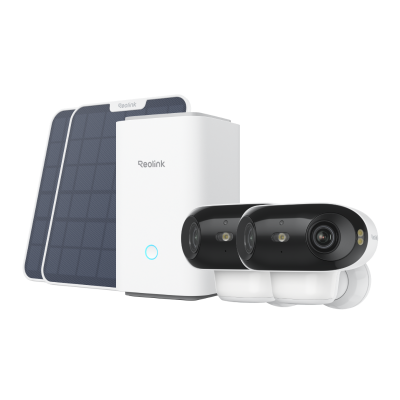
4K UHD Wi-Fi 6 Security System with 180° Blindspot-Free View
ColorX Night Vision, 1 Year of Local Storage, Exclusive Anti-Theft Algorithms, 180° Blindspot-Free Coverage, Expandable System Up to 8 Reolink Cams.
Motion-Activated Lighting

Motion-activated lighting is another classic example. Darkness gives intruders concealment. Light removes it. Even inexpensive motion-activated floodlight cameras like the Reolink Duo Floodlight WiFi can dramatically increase visibility around common vulnerable entry points such as garages or side gates.
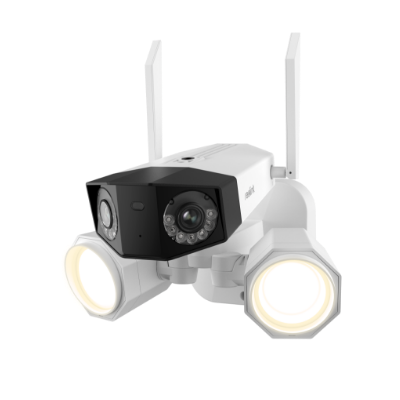
4K WiFi Camera with Floodlights
Dual Lens, 5GHz/2.4GHz WiFi, 180° Wide-Angle Panorama, Person/Vehicle Detection
Perimeter Barriers

Perimeter barriers also qualify as physical security countermeasures designed to prevent unauthorized access. Fences, locked gates, privacy walls, and even dense thorny hedges create friction in intrusion attempts. A locked gate generally adds more resistance than fence height alone.
Reinforced Windows

Windows with reinforced glass, security film, or window bars all physically increase the effort required to gain entry. Security film is especially useful because it helps hold shattered glass together rather than allowing immediate access through a broken pane.
Hybrid Devices

This is probably the most interesting category. Hybrid devices could include equipment such as smart locks or video doorbells.
A smart lock contains both physical and digital technology elements. The deadbolt mechanism itself is a physical security measure. The keypad, fingerprint scanner, PIN code, or smartphone control app are not. They are digital access controls layered on top of the physical hardware.
The same distinction applies to video doorbells. The doorbell housing mounted beside your front door is physical security hardware and a visible checkpoint. The live-view app, notifications, cloud access, and two-way audio functions are digital layers that make the device more useful. One without the other still has value. But, they form a stronger security system when all elements work together.
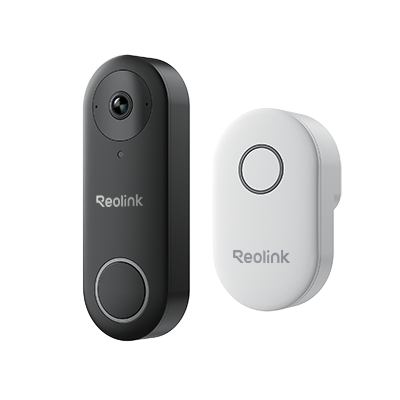
Best PoE video doorbell
- Two-way audio & preset voice messages
- 2K+ 5MP Super HD + 180 FOV (diagonal)
- Customizable person detection & alerts
- Works with smart home
This hybrid device distinction is something many completely miss. Understanding it makes troubleshooting easier too. If the app stops working, the camera still exists. If the deadbolt remains intact, the door is still physically secured.
What Is NOT a Physical Security Measure for Your Home
Alarm monitoring subscriptions, insurance policies, passwords, neighborhood watch apps, and security signages are not physical security measures for homes. However, they still contribute to home security. They simply perform different jobs than physical security measures do.
The easiest way to think about it is this:
- Physical security measures stop, deter, detect, or record.
- Non-physical measures manage, respond, reimburse, coordinate, or support.
Both are useful. They just belong in different categories.
Alarm Monitoring Subscriptions

The alarm sensor, motion detector, siren, and glass-break detector are physical security measures. The monthly monitoring subscription attached to them is not.
This distinction often causes confusion because the two work together so closely.
When a door sensor detects entry or a motion detector activates, physical hardware performs the detection. If the alarm monitoring company then contacts you or dispatches emergency services, that response comes from a service layer rather than a physical security measure.
Neither replaces the other.
The hardware deters and detects. The monitoring service coordinates a response.
For renters, this distinction is especially useful. Many apartment leases prohibit drilling or hardwiring, but wireless alarm sensors attached with adhesive strips are still physical security hardware even though they require no permanent installation.
Homeowner's (and Renter's) Insurance

Insurance covers losses after a break-in. It does not physically prevent one.
That simple distinction is why homeowners insurance and renters insurance do not qualify as physical security measures.
Insurance functions as financial risk transfer. If property is damaged or stolen, insurance may help cover repair costs or replacement expenses. It plays an important role in a complete security strategy, but its role begins after the event has already occurred.
A security camera records evidence.
A deadbolt slows entry.
Insurance covers losses.
Each tool solves a different problem.
Homeowners insurance generally covers both the structure and belongings, while renters insurance primarily covers personal property inside a rental unit. The principle remains identical either way.
Passwords, PINs, and Two-Factor Authentication

Strong passwords, PINs, and two-factor authentication protect digital access to smart devices. They do not physically block a door, window, or gate.
That does not make them less important though.
If someone gains access to a smart home app, they may disable notifications, access camera feeds, or interfere with device settings. Digital security directly affects the reliability of smart home systems.
The difference is that these protections are authentication controls rather than physical barriers.
A strong Wi-Fi password cannot stop a kicked-in door.
A password manager cannot prevent someone from climbing a fence.
What these tools do is protect the integrity of your physical security devices.
Think of them as the additional lock protecting the lock.
The deadbolt remains the physical security measure. The password protects access to the technology managing it.
For smart locks, this distinction becomes especially useful. Even if a smart lock's digital account were compromised, an intruder still has to physically overcome the lock mechanism itself.
Required digital security best practices include:
- Using a password manager
- Enabling 2FA on smart home accounts
- Securing Wi-Fi networks
- Regularly updating firmware
These actions strengthen physical security without becoming physical security measures themselves.
Neighborhood Watch Apps and Community Networks

Neighborhood watch groups, Nextdoor, WhatsApp communities, and local alert networks are valuable forms of social awareness, but they are not physical security measures because they depend on people noticing and responding rather than creating a physical barrier.
A neighbor who sees suspicious activity and reports it provides real security value. Community alert networks often help identify package theft, vehicle break-ins, or unfamiliar visitors much faster than an individual homeowner could on their own.
The limitation is response time.
A Nextdoor post does not physically stop someone from entering a backyard. A WhatsApp message cannot lock a door or illuminate a driveway. Their effectiveness depends entirely on whether another person notices the alert and takes action.
These networks work best when paired with physical security measures. A visible camera gives neighbors something to verify. Motion-activated lighting gives them something to see. A recorded video clip provides evidence that can be shared quickly with the community.
For renters living in apartment buildings where exterior modifications may be restricted, community networks can become an especially useful layer. Building-management alerts, resident groups, and neighborhood watch programs often provide situational awareness that complements indoor cameras and portable security devices.
The key point is category clarity. Community networks improve awareness. They do not physically secure the property.
Security Stickers, Yard Signs, and Fake Deterrents

Security signs and camera stickers are psychological deterrents, not physical protection.
A yard sign stating "Protected by ADT" or a window sticker displaying a camera icon may encourage an opportunistic intruder to choose an easier target. The sign communicates risk. The sticker suggests surveillance.
That can absolutely have value.
The difference is that neither object physically prevents entry.
An experienced burglar typically looks for the hardware behind the message. A yard sign backed by visible cameras, motion lighting, and reinforced locks creates a stronger deterrent than a sign standing alone.
This is one of the more interesting gray areas in home security.
An ADT yard sign or Ring sticker is physically present on the property, but its security function is psychological rather than structural. It influences behavior rather than physically stopping access.
That is why it fits more naturally into the behavioral category than the physical-security category.
Visible deterrence works best when it accurately reflects a real security setup.
How Physical and Non-Physical Security Work Together
Physical and non-physical security measures are not competing options. They are different tools in the same system, each covering a job the other cannot.
- Physical measures stop, deter, detect, and record.
- Non-physical measures manage, notify, authenticate, coordinate, and recover.
A home security camera provides a perfect example.
The camera mounted on the wall is a physical security measure. It creates visible deterrence, records activity, and documents events. The app connected to that camera is not a physical security measure. It sends notifications, manages settings, enables remote viewing, and stores recordings.
Now, it’s important to note that neither layer replaces the other.
Without the camera, the app has nothing to display.
Without the app, the camera still records and acts as a visible deterrent.
The same principle applies to smart locks. The deadbolt physically resists entry. The PIN code, fingerprint reader, or smartphone app controls access to that hardware.
Digital access controls such as passwords, Wi-Fi security, and two-factor authentication also protect physical devices themselves. If someone gains unauthorized access to a camera account or smart lock platform, the effectiveness of the physical hardware can be compromised.
That is why digital hygiene should be viewed as maintenance for physical security rather than a replacement for it.
Insurance completes another layer of the system. A camera may provide evidence. A lock may delay entry. Insurance helps recover financially if losses still occur.
Every tool covers a different gap.
A Practical Security Toolkit for Renters
Renters often assume they have fewer options because leases restrict permanent installation. In reality, many effective physical security measures require little or no modification to the property.
A strong renter toolkit can include:
- Battery-powered wireless cameras
- Adhesive-mount door and window sensors
- Portable door security bars
- Motion-activated indoor cameras
- Strong password management
- Two-factor authentication
- Community alert participation
A battery-powered wireless security camera is especially useful because it creates visible deterrence without requiring drilling or wiring. The Reolink Argus MagiCam is a good example because it runs on replaceable AA batteries for up to nine months, mounts magnetically without any drilling or tools, and carries an IP67 weatherproof rating for both indoor and outdoor use.
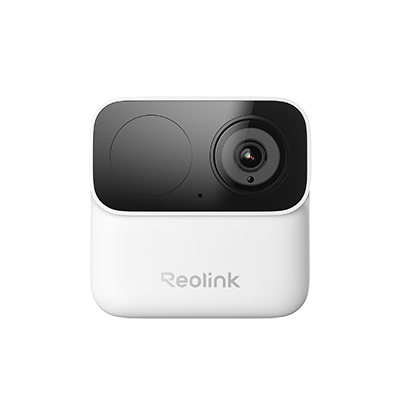
2MP Wireless Power-Efficient Camera
Magnetic Mounting for Easy Installation, Max. 9-Month Battery Life, Dual-Band 2.4/5GHz Wi-Fi, No Monthly Fees.
For entry points, a Reolink Video Doorbell WiFi demonstrates the hybrid-device concept perfectly. The doorbell hardware itself functions as a visible physical checkpoint. The mobile app, two-way audio, and notifications provide the digital layer that makes the device interactive.
The most effective security systems rarely rely on a single layer. Physical and non-physical measures work best when they reinforce one another.
Smart 5MP Video Doorbell with Chime
5MP Super HD Day & Night, Person Detection, 2.4/5 GHz Dual-Band WiFi, 180° Diagonal Viewing Angle, Two-Way Audio, Rich Notification.
FAQs
Is a smart lock a physical security measure?
Yes and no. The deadbolt mechanism is a physical security measure, while the keypad, fingerprint reader, and app-based access controls are non-physical security components.
The physical deadbolt prevents entry by creating a barrier at the door. The digital components determine who can operate that barrier. Because the physical and digital layers can fail independently, smart locks are one of the clearest examples of hybrid security devices.
For example, if a smart lock's app stops working because of a dead battery or network issue, the physical lock mechanism remains intact. Many smart locks also include backup keys specifically because the physical layer still matters.
A camera may document a loss. Insurance may help reimburse it. They perform different jobs.
What is the most important physical security measure for a home?
The front door is usually the highest-priority area because most residential break-ins occur through entry points rather than through dramatic Hollywood-style methods.
For many homes, the highest-return upgrade is a Grade 1 deadbolt paired with a reinforced strike plate and door frame. That single improvement increases resistance to forced entry significantly.
Adding a visible security camera near the entrance creates an additional deterrent before anyone attempts entry. Motion-activated lighting further reduces concealment at night.
A strong front-door setup often delivers more practical protection than multiple smaller upgrades elsewhere on the property. This is especially important to know if you live in a high-risk neighborhood according to the FBI Crime Data Explorer.
Can renters install physical security measures?
Yes. Many physical security measures work extremely well in rentals and require little or no permanent modification.
Battery-powered wireless cameras can often be mounted without drilling. Adhesive-mount door and window sensors leave minimal marks when removed. Portable door security bars and doorstop alarms require no installation at all.
Before installing any device, renters should review their lease agreement and confirm any restrictions with the landlord.
A combination of portable physical security measures and strong digital security practices can create a surprisingly effective security setup even in properties with installation limitations.
Is a security camera app a physical security measure?
No. The camera hardware is the physical security measure. The app is the digital management layer.
The lens, housing, image sensor, battery, and mounting hardware create a visible deterrent and recording device on the property. The app allows homeowners to view footage, receive notifications, manage settings, and access recordings remotely.
Both parts matter, but they perform different functions.
Without the camera hardware, the app has nothing to display. Without the app, the camera still exists as a physical deterrent and recording device.
That distinction is one of the easiest ways to understand the difference between physical and non-physical security measures.
Conclusion
One question cuts through most of the confusion around home security. Does the tool physically stop, deter, detect, or record access on your property? If yes, it qualifies as a physical security measure.
Locks, cameras and motion-activated lighting all pass that test. Passwords and insurance policies don't. Neither do monitoring subscriptions or community alert apps. Both categories matter. They just perform different jobs.
Physical measures are what an intruder encounters first. The digital and procedural tools behind them make that physical layer smarter and easier to manage when something goes wrong.
For most homes, the biggest improvement starts at the front door. Look at your primary entry points first. If those areas lack visible deterrence, a strong lock and a well-placed security camera often deliver more protection than a dozen smaller upgrades elsewhere.
For readers exploring camera options, the Reolink outdoor camera guides are a practical starting point for building that physical layer. Feel free to drop any questions down in the comments!
Search
Subscribe for the Latest Updates
Security insights & offers right into your inbox