
Top 10 Safest Cities in Mexico to Live and Visit
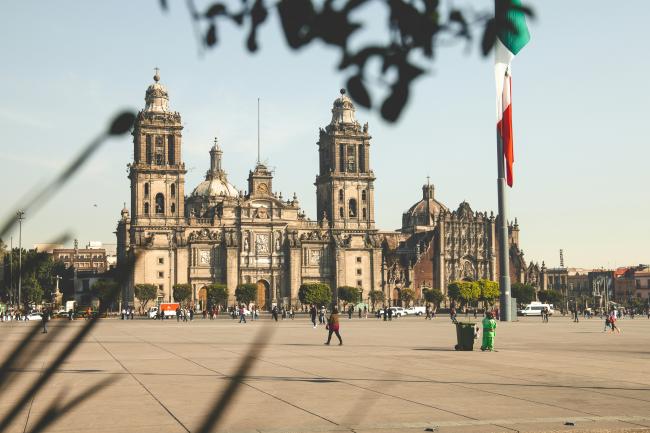
Mexico is often portrayed as unsafe, but the reality is far more nuanced. While certain regions do face security challenges, many cities across the country are known for low crime rates, strong local governance, and a welcoming environment for visitors and residents alike. From well-protected resort areas to culturally rich colonial cities, these places consistently stand out for their safety and quality of life.
In this guide, we highlight the safest cities in Mexico, based on crime trends, traveler safety records, and overall livability.
Is Mexico Safe?
Mexico is not dangerous, provided you take the right precautions and do what is usual in the city. Most of the acts of violence are taking place in little border areas or the isolated drug trafficking trails, which the average tourist will never dare to travel. The country receives more than forty million foreign travelers annually, and the vast majority of them leave the country without any issues.
The homicide rate in major cities such as Merida, Puerto Vallarta, and San Miguel de Allende is lower than the homicide rates in most of the similarly large metro areas in the United States. You must still lock your car, watch your drink, and walk in bright streets when it is dark, but those are the general rules of any kind of person on the planet.
Top 10 Safest Cities in Mexico
The ten Mexico safest cities are listed below, and they are the cities that consistently record low crime rates, have cordial relationships with tourists, and invest in visible policing. Every location has a flavor of its own, be it colonial charm or Pacific breezes, but all these are aimed at maintaining its residents and visitors relaxed.
1. Merida
Merida is located in the north-west of the state of Yucatan, and it usually tops the national safety rankings. The local government has a huge tourist police unit that communicates in English and rides around the historic center on foot and bikes. Violent crime is not prevalent, as there are no rival gangs, and the community reporting is high. There are clean streets, well-lit marketplaces, and on weekends, you can stroll back to your hotel at ten in the evening. Free Wi-Fi is also available in major parks around the city, so you can call a ride share rather than hail a random cab.
2. Puerto Vallarta
Puerto Vallarta is a city that is encircled by the Banderas Bay, and it is due to the combined efforts of the hotel owners, local police, and the Mexican Navy that the city has a record of safety. Security cameras are provided along the Malecor boardwalk, and the marina district has uniformed officers, one every two blocks. Tourism is the economic driver, so no one, taco sellers included, five-star management included, is looking to be caught doing something bad. Pick pocketing continues to occur in busy bars, but violent assaults on visiting people are also at very low levels in a city with a quarter of a million people.
3. San Miguel de Allende
San Miguel de Allende is a city in the highland of Guanajuato that entices artists, retired workers, and telecommuters. The drive-by crime is reduced naturally by the fact that the narrow cobblestone streets restrict vehicle speed. The municipality subsidizes a volunteer patrol called the Guardianes de San Miguel, whose uniform is in radiant vests and who carry radios connected with the main dispatch. Art walks on weekends are active until late hours, and the central square has ambient lights all night, thus lone travellers do not feel lonely.
4. Campeche
Campeche is a port city on the Gulf of Mexico surrounded by walls built in the 1700s. Those same stone barriers now limit through traffic, making the historic core quiet after dark. The state government invests oil revenue into street maintenance and high-definition cameras that cover every corner within the old town. Restaurants place tables on the sidewalk without metal fencing, a simple sign that owners do not fear smash-and-grab theft. Hurricanes are a bigger risk than crime here, and even those are forecast days in advance.
5. Tulum (Town Center and Beach Zone)
Tulum maintains high tourist police levels given that the region derives the bulk of its revenue from hospitality. There are bicycle-riding officers patrolling the beach road and nighttime checkpoints that deter drunk driving and drug sales. Newer streetlights have dominated the town center, and no unlicensed street vendors are allowed, which makes the walkways clean and easy to monitor. The isolated jungle roads should still not be visited after midnight, but the largest hotel strip is peaceful and properly guarded.
6. La Paz
The capital city of the Baja California Sur, La Paz, enjoys the advantage of a small town atmosphere, despite the more than two hundred thousand residents it contains. The Maleco waterfront is busy all day up until around midnight with joggers, families, and food carts, and this forms a natural surveillance. Local universities run marine biology programs, so young people fill the cafés and bookstores, adding extra eyes on the street. Serious crime is uncommon, and the city posts bilingual tourist assistance kiosks every few blocks along the bay.
7. Puebla City
Puebla City sits between Mexico City and Veracruz and maintains safety through a large middle class and strong manufacturing base. The historic center holds six thousand restored buildings, and private investors fund nightly security patrols because heritage tourism is profitable.
8. Queretaro
Queretaro is a combination of aerospace factories and colonial architecture, and the monotony of the paycheck keeps unemployment at a minimum. The state police is equipped with a rapid-response fleet that can arrive at any area of the metro within seven minutes, which is also proudly posted on billboards within the city. Parks are cleaned up, graffiti gets sprayed off, and traffic lights are equipped with cameras that prevent carjackings.
9. Playa del Carmen
Playa del Carmen is no longer a fishing village, but a popular resort area, and the tourist center is secure due to the ongoing investments in the lighting and beach patrols. When it is high season, the city employs more officers, whereby all officers are equipped with ATVs, which patrol the sand throughout the day and night. Fifth Avenue is walkable, and you can walk without concern about road accidents.
10. San Cristobal de las Casas
San Cristobal de las Casas sits in Chiapas at an elevation of two thousand meters, surrounded by pine-covered hills. Indigenous communities value local autonomy and community justice, which keeps outside organized crime away. The town center bans chain stores, so small family businesses line the streets, each watching the sidewalk in front of their door. Cobblestone lanes are steep, so taxis move slowly, and drivers know they can be identified if anything goes wrong.
Top 5 Safest Cities in Mexico to Live in
If your plan is to rent an apartment, open a bank account, and send kids to school, you need more than low crime. You want steady internet, honest city officials, and reasonable commute times. The following five locations balance everyday safety with livable infrastructure.
1. Merida
The homicide rate in Merida is the lowest in any large Mexican city, and there is an expanding technology industry that is friendly to bilingual employees. The area, like Garcia Gineres and Montebello, has broad sidewalks, weekly farmers markets, and bilingual, privately owned businesses. Bus rapid transit lines operate on special lanes, and therefore you can get to the office in a car-free twenty minutes. Family visits are easy as the airport introduces new direct routes to Miami and Toronto every year.
2. Queretaro
Queretaro attracts engineers because global firms like Bombardier and Samsung run plants here. Salaries are above the national average, so streets are filled with employed people who watch out for trouble. The city builds new parks at a fast pace; each one has free Wi-Fi and security cameras linked to the police command center. Public hospitals meet international standards, and private insurance costs half of what you pay in the United States.
3. San Miguel de Allende
San Miguel de Allende has a well-established expat network that sponsors charity drives, art classes, and English-language libraries. The cost of a three-bedroom house with a garden is still lower than a one-bedroom condo in most U.S. cities. City hall issues residency permits quickly because it values the steady tax base foreigners provide. Medical care includes a new general hospital and several private clinics that accept U.S. insurance.
4. Puebla City
Puebla City gives you big-city amenities without big-city danger. The Volkswagen plant and related suppliers create stable jobs, so unemployment stays low. Public schools teach Mandarin and German in addition to English, a plus for families. The colonial center is a UNESCO site, which means federal funds flow in for lighting, street repair, and security cameras that also benefit nearby residential zones.
5. La Paz
La Paz delivers small-town friendliness plus the services you need for daily life. Supermarkets stock international products, and the local university hosts film festivals and lecture series open to the public. Heat can be strong in summer, but sea breezes keep evenings pleasant. Many residents ride bicycles to work, and the city is building protected bike lanes that further reduce traffic accidents and street crime.
Top 5 Safest Cities in Mexico for Expats
Expats seek English-speaking physicians, active social clubs, and hassle-free visa documentation. These five cities have earned a reputation for making newcomers feel at home within a short time, and at the same time maintain the level of crime at a low level.
1. San Miguel de Allende
In San Miguel de Allende, over ten thousand foreigners live; therefore, restaurants write their menus in English and doctors write office hours on Facebook. The town library contains the biggest English-language collection in Mexico other than Mexico City. Monthly mixers give the new people an opportunity to meet old people who tell them how to establish internet, how to pay electric bills, and how to buy health insurance.
2. Puerto Vallarta
Puerto Vallarta offers ocean views and a well-organized expat association that sponsors charity events and neighborhood watch groups. Marina Vallarta has condo towers where every doorman speaks English and each building keeps a private security desk. U.S. consular staff visit quarterly to renew passports and answer Social Security questions, saving you a trip to Guadalajara.
3. Merida
Merida’s state government runs a special unit that guides foreigners through residency applications free of charge. The local American Legion post helps veterans file U.S. benefits paperwork, while bilingual veterinarians make pet care simple. Costco, Home Depot, and Starbucks provide familiar brands, yet local mercados still sell fresh tortillas for a few pesos.
4. Playa del Carmen
Playa del Carmen was built around tourism, which is why the service employees speak English in all clinics, gyms, and branches of banks. Remote workers occupy co-working locations with high-speed fiber internet and standby electricity; thus, power failures do not interrupt Zoom meetings. The town has an official foreign resident card, which provides discounts on the museums and ferry tickets to Cozumel.
5. Queretaro
Queretaro attracts young professionals from Europe and Asia, creating an international school system that follows U.S., French, and Japanese curricula. The airport adds new routes yearly, so you can reach Dallas in two hours and Mexico City in forty minutes.
Popular & Safe Tourist Destinations in Mexico
Puerto Vallarta (Jalisco)
Puerto Vallarta combines stunning Pacific coastline, rich local culture, and a well-established tourism infrastructure. The city is widely regarded as one of Mexico’s safest destinations for visitors, thanks to strong police presence in tourist areas, walkable neighborhoods, and a relaxed atmosphere. Its balance of beach life, historic charm, and modern amenities makes it especially popular with expats and long-term travelers.
Riviera Maya (Quintana Roo)
The Riviera Maya—covering Cancún, Playa del Carmen, and Tulum—is one of Mexico’s most heavily protected tourism corridors. Local governments invest significantly in security to safeguard visitors, resulting in well-patrolled hotel zones, resorts, and transportation hubs. With its white-sand beaches, cenotes, and world-class resorts, the region remains a top choice for travelers seeking both safety and convenience.
Los Cabos (Baja California Sur)
Los Cabos is a luxury-focused destination known for its calm, secure environment, particularly in Cabo San Lucas and San José del Cabo. Crime rates remain relatively low compared to many large cities, and tourist areas are closely monitored. The region’s upscale resorts, gated communities, and strong local economy contribute to its reputation as one of the safest places to visit in Mexico.
Oaxaca City & Puerto Escondido (Oaxaca)
Oaxaca City and Puerto Escondido are often praised for their strong sense of community, cultural depth, and positive safety perception. Oaxaca City is known for its walkable historic center and vibrant local life, while Puerto Escondido offers a laid-back coastal lifestyle popular with surfers and digital nomads. Travel guides, including Frommer’s, frequently highlight these destinations as welcoming and relatively safe for both tourists and long-term visitors.
How Do We Determine the Safest City in Mexico?
The following list indicates the primary factors that we consider and the sources of the data.
- Homicide rate per 100,000 inhabitants - Data is provided in the annual report of the federal Secretariado Ejecutivo del Sistema Nacional de Seguridad Publica (SESNSP). The fewer the better, and we prefer cities of fewer than ten to one hundred thousand.
- Robbery rate - Another output of SESNSP. We tally muggings on the streets, home break-ins, and business hold-ups. A city may experience a low number of murders, but may still experience insecurity if robbery is prevalent.
- Police presence - We have the number of officers posted to areas that receive tourists and indicate whether they speak English. Cities that post patrol schedules are higher.
- Coverage of street lights - We utilize the nighttime satellite images of the city by the Department of Public Works. Streets that are well-lit minimize accidents on the roads and crime.
- Local economic stability - The level of employment in the area, according to the INEGI, the national statistics agency. Towns with a wide range of industries are not affected as much by the abrupt unemployment spike that causes crime.
Practical Safety Tips for Visiting or Living in Mexico
Common sense is a long way, though there are a few Mexico-specific habits that will reduce your risk even more.
- Ride-hail at night - Ride-hail services like Uber and Didi maintain records of driver pictures and trip history online, which hold drivers more accountable than street cabs.
- Ride first-class buses when traveling at a distance - Other companies like ADO and ETN scan passenger ID and run a background check on luggage, which minimizes theft and drug problems.
- Carry color copies of your passport - Leave original in the hotel safe (or locked drawer at home) and carry a copy in a zipped pocket. When you are calm and polite, this is acceptable at the police stop.
- Know the most important Spanish expressions - A few simple words, such as ‘ayuda’ (help), and emergencia, will create rapport with people who will be able to direct you to safety.
- Never use an ATM at night - Go inside malls or grocery stores during the day to withdraw money. The CCTV cameras and private guards are available at these places.
- Register with your embassy - The U.S. government has an online travel registry, as well as the Canadian government. In case of a hurricane or earthquake strike, the authorities will know where to come and find you.
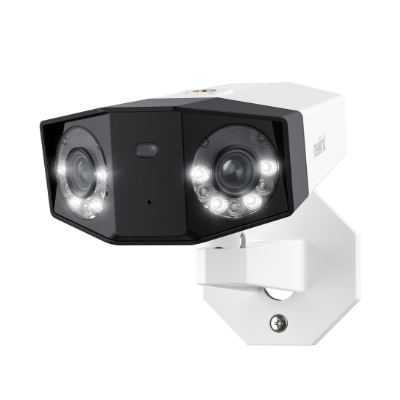
Groundbreaking 16MP Dual-Lens PoE Camera
16MP UHD, Dual-Lens, Motion Track, 180° Wide Viewing Angle, Power over Ethernet, Color Night Vision.
FAQs
What city in Mexico is the safest?
Merida has the lowest rates of homicide and robbery per hundred thousand inhabitants, and it is thus the safest to visit as well as to settle down.
Where in Mexico is it safe for Americans to live?
Merida, San Miguel de Allende, Puerto Vallarta, Queretaro, and La Paz make the list of the safe places where Americans can live, as they have a well-established expat community, bilingual services, and low rates of violent crime.
What is the most Americanized city in Mexico?
The city of Puerto Vallarta is the highest retirement city in the U.S. as it has lots of U.S. retirees, English-speaking medical personnel, American chain stores, and direct flights to Dallas, Phoenix, and Los Angeles.
What state in Mexico has the lowest crime rate?
The Yucatan state has the lowest rates of homicides and robberies in the country, with the assistance of community policing, stable government funding, and little cartel action.
What places to stay away from in Mexico?
Sinaloa, Guerrero (including Acapulco), Colima, Michoacán, and Tamaulipas, along with border areas in Chihuahua, Sonora, and Baja California, tend to face higher security risks linked to cartel activity and organized crime. Major cities like Tijuana, Ciudad Juárez, and Acapulco can experience elevated safety concerns, so travelers are generally advised to use major toll roads, fly directly to well-established destinations like Cancún or Los Cabos, and avoid traveling at night outside well-known, tourist-friendly areas.
Conclusion
The safest cities in Mexico prove that you can enjoy warm weather, rich history, and friendly people without giving up peace of mind. Merida, Puerto Vallarta, San Miguel de Allende, and their peers on this list invest in street lighting, tourist police, and strong hospitals so that daily life feels normal and relaxed.
Whether you plan a two-week vacation or a permanent move, choosing one of Mexico's safest cities and following basic city habits will lower your risk far below what many headlines suggest. If you have already visited any of these places, share your experience and help other travelers see Mexico through a clearer, calmer lens
Search
Subscribe for the Latest Updates
Security insights & offers right into your inbox