
Top 10 Safest Cities in Canada

Ever caught yourself wondering if Canada is really as calm as people say? You are not alone. Many newcomers and lifelong residents search for the safest place to live in Canada so they can settle down, start a family, or retire in peace.
This guide answers the safest cities in Canada. We walk through current crime numbers, the safest provinces, common crime trends, and practical tips you can use right now.
Top 10 Safest Cities in Canada
Canada is large, so we look at urban centres with at least 100,000 people and compare their police-reported crime data. Before diving into the safest cities in Canada, remember that every place on this list scores better than the national benchmark. Now, let’s take a look at what are the safest places to live in Canada:
1. Saguenay, Quebec
With a crime rate of 3,305 incidents per 100,000 and a crime severity score of 51.0, Saguenay tops our list. Local police report low violent-crime filings—assaults and robberies combined sit under 600 cases a year for a city of 145,000.
Break-ins have fallen for five straight years thanks to neighbourhood watch programs and strong community ties. Residents say they feel safe walking downtown at night, and children still play in public parks until dusk. Affordable homes and access to the scenic Saguenay Fjord add to the appeal.
2. Québec City, Quebec
The provincial capital logs 3,540 incidents per 100,000 and a severity score of 52.9. Violent offences remain rare—2023 saw only nine homicides in a metro area of 850,000. Pickpocketing around Old Québec makes up most police calls in summer, so city crews boost patrols when tourists arrive. Well-lit streets, a dense network of CCTV cameras, and quick emergency response keep risk low across boroughs like Sainte-Foy and Charlesbourg.
3. Sherbrooke, Quebec
Home to Bishop’s University and Université de Sherbrooke, this study hub records 3,202 incidents per 100,000 and a severity score of 52.2. Youth outreach programs reduce vandalism and drug offences. Domestic violence cases dropped 8 % year-over-year. The city’s integrated mental-health and policing unit resolves many situations without charges, keeping crime numbers down and the community tight-knit.
4. Barrie, Ontario
Just an hour north of Toronto, Barrie posts 3,907 incidents per 100,000 and a severity score of 48.1, the lowest of any Ontario CMA. Auto theft fell 12 % last year after police installed licence-plate readers on Highway 400 exits. Downtown sees the usual bar-time scuffles, but overall assault figures remain modest. Families favour Barrie for its lakefront parks, rising tech sector, and quick GO-train link to the big city.
5. St. Catharines–Niagara, Ontario
This wine country CMA logs 4,008 incidents per 100,000 and a severity score of 54.5. Violent crime stays low: fewer than 60 robberies occurred in 2023 across 430,000 residents. Police credit rapid response plans on tourist routes near the Falls and tight cross-border coordination. Property offences such as bike theft pop up in student areas, yet neighbourhood groups share real-time alerts that help recovery.
6. Ottawa, Ontario
Canada’s capital holds a 4,262-per-100,000 crime rate and a 54.1 severity score. Homicides remain in the teens annually for a population topping one million. The government district’s high security spills into nearby residential zones, boosting overall safety. West-end neighbourhoods like Kanata note especially low break-in counts, while downtown ByWard Market receives extra patrols to curb petty theft.
7. Guelph, Ontario
With 4,265 incidents per 100,000 and a severity score of 55.5, Guelph ranks eighth-lowest nationwide. The city’s new Safe Roads strategy slashed impaired-driving charges 20 % in one year. Bike lanes, active-transport plans, and close campus-police cooperation keep streets calm. Residents praise the “small-town feel” plus quick access to Toronto via Highway 401.
8. Saint John, New Brunswick
Atlantic Canada’s top entry posts 4,366 incidents per 100,000 and a severity score of 52.7. Port activity brings economic life without raising serious crime. Violent offences dropped 4 % last year, and the city now runs a “Lock It or Lose It” campaign to fight vehicle break-ins. Harbour lights and expanded boardwalk patrols let locals stroll the waterfront late into the evening.
9. Toronto, Ontario
Canada’s biggest city surprises many with a 4,160-per-100,000 rate and a 58.5 severity score—both under national norms. While headlines focus on isolated subway assaults, such incidents remain exceedingly rare against a backdrop of 2.8 million daily riders. Neighbourhood crime mapping drives targeted policing that has cut residential burglary in districts like Scarborough and Etobicoke. Community centres run youth sports and trades programs that curb gang recruitment.
10. Kingston, Ontario
Rounding out the list, Kingston shows 5,453 incidents per 100,000 and a 72.2 severity score—still well below the national average of 80.5. The city’s historic downtown sees summer crowds but few serious offences. Queen’s University security teams partner with city police to keep student zones orderly. A booming correctional services sector means a high officer-to-resident ratio, adding another layer of safety.
5 Safest Province in Canada
Canada’s safest communities often cluster inside the same provinces. The latest numbers confirm it. Here are the top 5 safest provinces in Canada:
1. Ontario
Ontario posts the lowest provincial crime severity score at 60.9 and a crime rate of 4,454 per 100,000 people. Wide deployment of community officers, strict gun-control laws, and robust public transit security explain the edge. Its large tax base funds modern policing tools that smaller regions struggle to afford.
2. Quebec
With a 62.2 score and a 3,713-per-100,000 rate, Quebec runs neck-and-neck with Ontario. A long-standing focus on social services, especially in mental health, reduces repeat offences. Language-based community groups also play a key role in neighbourhood vigilance.
3. Prince Edward Island
Prince Edward Island records a 72.4 severity score and 6,147 incidents per 100,000. Though property crime ticks up in tourist season, violent acts stay scarce. Island size allows police to respond quickly anywhere on the network of coastal roads, deterring would-be offenders.
4. Nova Scotia
Nova Scotia posts a 73.8 score and a 5,933-per-100,000 rate. Halifax is busier than rural counties, yet province-wide community policing and marine patrols keep the numbers stable. Youth restorative justice programs divert many first-time offenders away from courts.
5. New Brunswick
At 86.1 with a 6,587-per-100,000 crime rate, New Brunswick closes our top five. Despite a recent uptick in cyber-fraud, traditional violent crime trends downward. Close-knit small towns boost natural surveillance and mutual support.
Key Factors for Safety in Canada?
Choosing the safest place live in Canada is more than looking at one figure. We ranked each place on:
- Overall crime rate: It police-reported incidents per 100,000 residents; lower equals safer.
- Crime severity score: This weights serious offences higher, giving a fuller safety picture.
- Violent crime share: It includes the percentage of crimes that involve force or threats.
- Five-year trend: It means the cities that cut crime year after year earn extra credit.
- Police resources: We also analyze officer-to-population ratio and response-time targets.
- Community programs: It includes the presence of youth outreach, mental health teams, and elder-safety checks.
Common Crime Trends in Canada
Nationwide numbers reveal clear patterns about the lowest crime rate in Canada. Understanding these trends helps you pick a city that already counters risks you care about most.
- Property theft leads the chart: Items stolen from cars and porches account for nearly one-third of all cases.
- Cyber-fraud rises fast: Online scams now eclipse face-to-face fraud, yet rarely involve violence.
- Drug-related calls shift: Opioid overdoses trigger more wellness checks than trafficking arrests.
- Rural break-ins fall: Smart-home cameras and farm-watch groups push burglars toward easier urban targets.
- Violent crime stays flat: Homicide and serious assault rates have held steady for five years.
Youth offences drop: School-based mediation and community sport keep many teens out of trouble.
How to Find the Safest Place to Live in Canada?
Safety means different things to different people. Use these steps when scouting a new address.
- Check fresh data: Compare latest crime reports from Statistics Canada and local police boards.
- Walk the area at night: A quick evening stroll reveals street lighting, foot traffic, and overall vibe.
- Study transit hubs: Well-monitored bus or rail stops cut late-night risk for commuters.
- Talk to neighbours: Local Facebook groups and coffee shops supply insights that no website lists.
- Explore community programs: Cities with homework clubs, seniors’ patrols, and mental-health teams often post lower crime.
- Balance cost and safety: Very low crime often comes with higher rents; check budgets before you move.
- Visit schools and clinics: A strong public-service network signals stable funding and safe streets.
If you live in Canada, consider installing a security camera to help protect your home and loved ones.
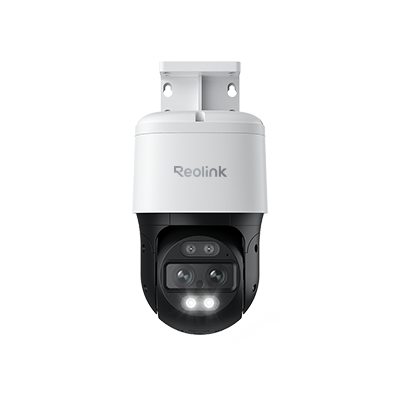
4K Dual-Lens PTZ Camera with Dual Tracking
4K 8MP Ultra HD, Wide & Telephoto Lenses, Pan & Tilt, Auto-Tracking, Person/Vehicle Detection, Power over Ethernet, Two-Way Audio.
FAQs
Is Canada a Safe Place to Live?
Yes. Canada ranks among the safest nations in the world. The federal 2023 police report shows an overall crime severity score of 80.5 and a crime rate of 5,843 incidents per 100,000 residents, both well below the peaks seen in the early 1990s.
Violent crime levels stayed almost flat last year, while property crime drove the slight rise in totals. Most offences involve minor theft, mischief, or fraud, not violent acts. That said, safety differs by region. Some cities post half the national average; others sit above it. Knowing where each community stands is the first step toward a worry-free move.
Which city in Canada is the safest?
Current police data puts Saguenay, Quebec, at the top for low crime rates and severity scores. Not only it has low crime rate but it also provide improved living standards for the residents.
Is Toronto or Vancouver safer?
Both cities are safe by global standards, but if you’re comparing directly, Toronto edges out Vancouver in terms of overall safety.
Where do most Americans live in Canada?
Most Americans in Canada live in Ontario and British Columbia, with the largest communities in Toronto and Vancouver. Smaller but notable populations also settle in Montreal, Calgary, and Ottawa.
Which major city has the lowest crime rate in Canada?
Among Canada’s major cities, Ottawa is often ranked as having the lowest overall crime rate
Conclusion
Canada remains one of the world’s calmest countries, but choosing wisely still matters. From Saguenay’s quiet streets to Ottawa’s safe capital core, the safest cities in Canada offer varied lifestyles with minimal risk. Provinces like Ontario and Quebec set the pace, proving that large populations can coexist with low crime.
Now that you know the safest city in Canada, share your thoughts. Which city feels safest to you, and why? Join the conversation below and help others live without worry.
Search
Subscribe for the Latest Updates
Security insights & offers right into your inbox