





























































































































































Safest Cities in the UK: Explore 20 Safest Place to Live in UK

The UK has many cities that combine relatively low crime levels with strong community safety and quality of life. This guide ranks 20 of the safest cities in the UK using the latest recorded crime data, safety perceptions, policing, and quality-of-life indicators.
Whether you're looking for the safest place to live in the UK, planning a move, or simply comparing locations, this ranking provides an overview of city-level safety and the key factors behind each city's performance.
Key Takeaways:
- York ranks first in our analysis based on multiple safety indicators, including a Safety Index of 73.3.
- Wells has the lowest recorded crime rate among the cities compared, at fewer than 40 crimes per 1,000 residents.
- Edinburgh ranks highest among UK capital cities, recording 44.8 crimes per 1,000 residents.
- City-wide rankings do not reflect every neighbourhood, so postcode-level crime data provides a more local view.
Top 20 Safest Cities in the UK
Based on the latest reports from the Office for National Statistics (ONS) released in early 2026, 2026 Numbeo Safety Index, and [safety indices](Police UK) from the 2025/2026 period, the landscape of UK safety remains steady but with a notable rise in retail-related offenses (shoplifting) across major hubs.
These cities are ranked based on a combination of Safety Index scores (perceptions of residents) and Recorded Crime Rates (RCR) per 1,000 residents for the year ending December 2025.
1. York
York continues to hold the top spot for 2026. While shoplifting arrests rose by 40% this year, its overall safety index remains the highest in Britain at 73.3.
- Safety Highlight: Its compact, pedestrian-friendly "Shambles" and surrounding walls remain some of the best-monitored tourist areas in Europe.
2. Edinburgh
The Scottish capital remains exceptionally safe for a major city, with a recorded crime rate of just 44.8 per 1,000.
- Safety Highlight: High levels of public funding and community-led policing in neighborhoods like Stockbridge keep violent crime significantly lower than the UK average.
3. Aberdeen
Often overlooked, Aberdeen has emerged as one of the safest industrial hubs, boasting a safety index of 63.2.
- Safety Highlight: Despite a slight uptick in vehicle-related thefts in 2025, the city maintains a very low violent crime profile.
4. Wells
Technically England's smallest city, Wells consistently reports some of the lowest crime figures in the country due to its small population (approx. 11,000) and tight-knit community.
- Safety Highlight: High visibility of "Slow Pace" community living and a lack of urban crime pressures.
5. Bath
Bath remains a staple for safety with a crime rate roughly 38% lower than the national average.
- Safety Highlight: Its affluent demographic and extensive CCTV in the Georgian city center deter street-level offenses.
6. Cambridge
While bicycle theft remains a stubborn issue (ranking high for "fastest-rising crime type"), violent crime remains exceptionally low.
- Safety Highlight: University-led security and highly educated resident populations foster a secure environment.
7. Ely
A major "riser" in 2026, Ely is favored by professionals seeking peace near Cambridge. It offers tranquil riverside living with almost negligible violent crime.
- Safety Highlight: Strong community cohesion and minimal late-night economy-related incidents.
8. Brighton & Hove
Brighton maintains a safety index of 60.9. While robbery saw a spike in late 2025, the seafront and "The Lanes" remain highly secure due to 24/7 street marshal presence.
- Safety Highlight: Excellent balance of vibrant nightlife and proactive night-time policing.
9. Exeter
Exeter continues to benefit from low unemployment and high student safety satisfaction. It remains the safest city in the South West after Bath and Wells.
- Safety Highlight: Strong neighborhood watch initiatives in the St Leonards area.
10. Norwich
Norwich reports a stable crime rate of approximately 114 per 1,000 (higher total volume than smaller towns, but very low violent crime).
- Safety Highlight: Frequent "Purple Flag" awards for a safe and managed evening and night-time economy.
11. Cardiff
The safest major capital city in the UK after Edinburgh, Cardiff has a safety index of 60.3.
- Safety Highlight: Major regeneration in Cardiff Bay has significantly reduced property crime in the area.
12. Plymouth
Plymouth remains a "quiet achiever" in safety. Although it saw a slight rise in recorded violent offenses in 2025, it remains far safer than other port cities like Southampton.
- Safety Highlight: Community policing hubs and waterfront regeneration.
13. St Albans
A wealthy commuter city with very low deprivation levels, which correlates directly with its low rates of burglary and street crime.
- Safety Highlight: High police visibility in the historic marketplace.
14. Chichester
Chichester remains one of the safer smaller cities in the UK, with a recorded crime rate of 46.8 per 1,000 residents and a Safety Index of 58.2. Its smaller population, quieter residential environment, and relatively low crime levels make it particularly attractive to families and retirees.
- Safety Highlight: A low recorded crime rate and quieter residential environment help Chichester maintain its strong safety performance.
15. Durham
Durham records approximately 68.4 crimes per 1,000 residents, alongside a Safety Index of 57.5. The compact historic centre and strong security presence around university areas contribute to its overall safety, making it one of the safer university cities included in the ranking.
- Safety Highlight: University security and the city's compact centre contribute to a safer environment for students and residents.
16. Salisbury
Salisbury has a recorded crime rate of 59.1 per 1,000 residents and a Safety Index of 56.9. Despite attracting large numbers of visitors, the city maintains relatively low levels of property crime and a generally safe residential environment.
- Safety Highlight: Relatively low property crime helps Salisbury remain a safer choice among historic UK cities.
17. Winchester
Winchester records around 54.0 crimes per 1,000 residents, with a Safety Index of 56.4. Its relatively low crime rate, strong quality of life, and well-established residential communities contribute to its position among the safest cities in the UK.
- Safety Highlight: Low crime levels combined with a strong quality of life make Winchester particularly attractive for residential living.
18. Harrogate
Harrogate has one of the lowest recorded crime rates in the ranking at 44.2 crimes per 1,000 residents, alongside a Safety Index of 55.8. The spa town is known for its quieter residential character and relatively low levels of crime compared with larger urban centres.
- Safety Highlight: Its low recorded crime rate and quieter residential environment make Harrogate a strong option for those looking for one of the safest places to live in the UK.
19. Lincoln
Lincoln records approximately 120.3 crimes per 1,000 residents, with a Safety Index of 55.1. Although its overall recorded crime rate is higher than that of many cities in the ranking, safety improvements around university districts and Brayford Pool have contributed to a more secure environment in key parts of the city.
- Safety Highlight: Safety improvements in university and central areas have strengthened Lincoln's overall security despite its higher recorded crime rate.
20. Truro
Truro, Cornwall's only city, records approximately 51.2 crimes per 1,000 residents and has a Safety Index of 54.7. Its small population, relatively low recorded crime rate, and quieter urban environment help it maintain a place among the UK's safer cities.
- Safety Highlight: A relatively low crime rate and small-city environment contribute to Truro's strong overall safety profile.
Note: City-level rankings provide a useful overview of the safest places in the UK, but crime rates can vary significantly between neighbourhoods within the same city. To understand safety closer to home, check crime data for your specific postcode.
Use the Reolink Postcode Crime Checker to explore local crime levels and compare safety in your area.
Table of Safest Cities in the UK
How We Determine the Safest City in the UK?
To identify the safest cities and safer places to live in the UK for 2025–2026, we use a multi-dimensional analysis that balances "hard" police data with "soft" resident sentiment. Relying on crime volume alone can be misleading, as higher reporting rates often indicate better trust in local police rather than a more dangerous environment.
Our determination is based on the following four key pillars:
1. Recorded Crime Rates (RCR)
We analyze the latest crime statistics from the Office for National Statistics (ONS) and local police-recorded crime data from Police.uk for England and Wales, alongside Scottish Crime and Justice Survey for cities in Scotland.
-
Focus Areas: We prioritize "victim-based" crimes, such as violence against the person, robbery, and domestic burglary.
-
The 2026 Trend: Our current analysis accounts for the post-2024 spike in retail-related offenses (shoplifting), ensuring that a rise in non-violent property crime doesn't unfairly penalize a city’s overall safety ranking if violent crime remains low.
2. The Safety Index (Perception vs. Reality)
Safety is as much about how a person feels as it is about statistics. We integrate data from the 2026 Numbeo Safety Index, which aggregates thousands of resident surveys regarding:
-
Concerns about being mugged or robbed.
-
Safety when walking alone during the day versus at night.
-
Perceived changes in crime levels over the past three years.
3. Community and Policing Infrastructure
A city’s safety is often a reflection of its investment in prevention. We look at:
-
Police Presence: The ratio of officers per 1,000 residents and the response times for Grade 1 (emergency) calls.
-
Urban Initiatives: We credit cities that hold the "Purple Flag" status, a national accreditation for excellence in managing the night-time economy (bars, clubs, and late-night transport).
-
Managed Surveillance: The effectiveness of integrated CCTV networks and "Street Marshal" programs in high-traffic tourist zones like York and Edinburgh.
4. Socio-Economic Stability
Based on the 2026 Cities Outlook reports, we factor in a city’s "Health Check"—including unemployment rates and levels of local deprivation. There is a strong historical correlation between high employment, quality of housing, and lower rates of opportunistic street crime.
How to Stay Safe in the UK
Even in the safest areas of the UK, taking basic precautions is essential to protect yourself and your property. A combination of awareness, home security, and community involvement provides the best protection.
1. Secure Your Home
- Install high-quality locks on all doors and windows
- Use alarm systems to deter intruders
- Keep entrances well-lit, especially at night
- Regularly check and maintain security devices
2. Be Mindful in Public Spaces
- Avoid displaying valuables such as phones, jewelry, or cash
- Stay alert in crowded areas like public transport or tourist spots
- Keep personal belongings close and secure
3. Join Community Safety Programs
- Participate in local neighborhood watch schemes
- Build awareness through community cooperation
- Report suspicious activity to local authorities promptly
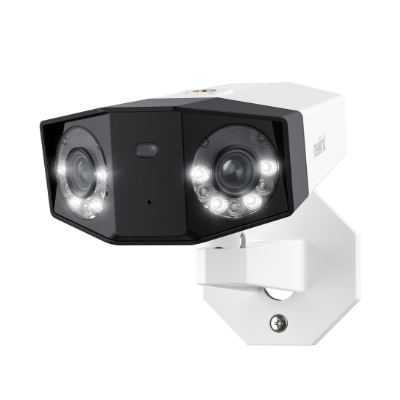
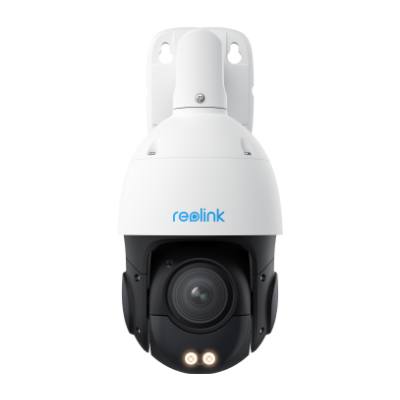
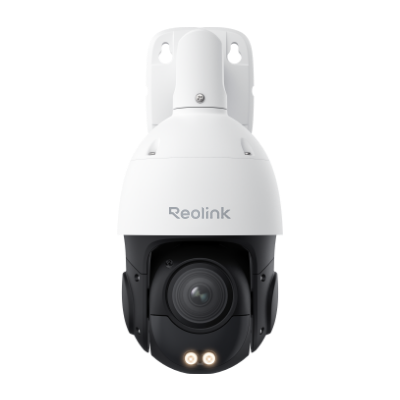
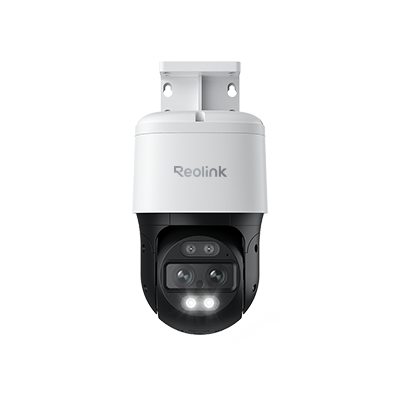
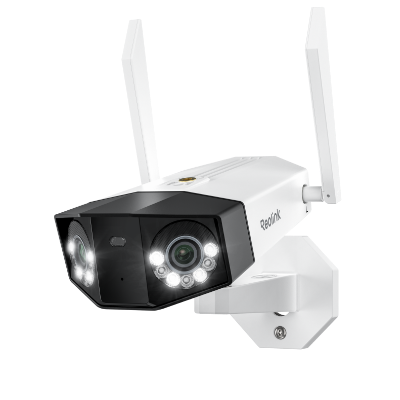
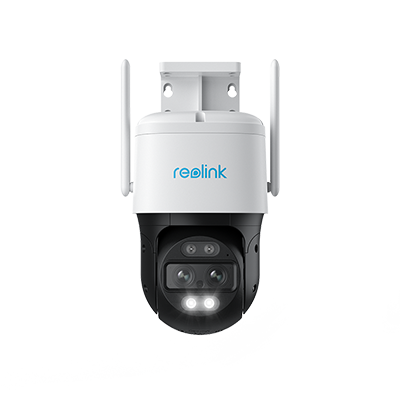
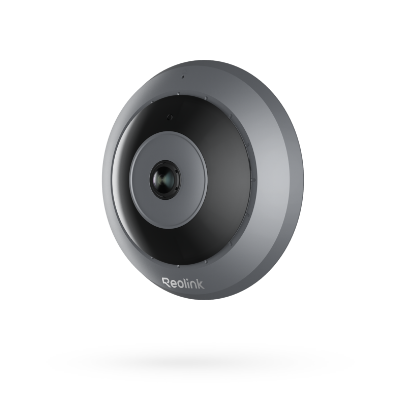
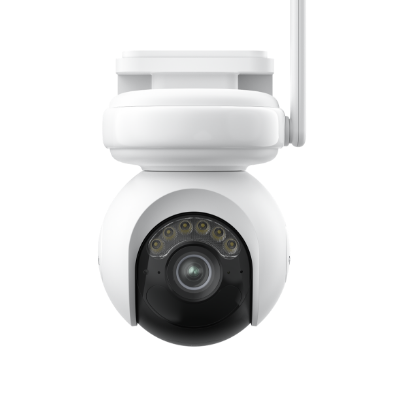
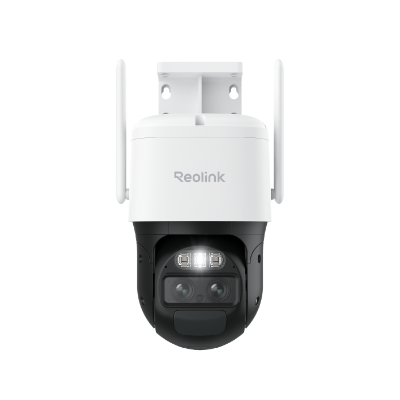
4. Install a Home Security Camera System
Adding surveillance is one of the most effective ways to enhance home security.
- A dome security camera is ideal for monitoring entry points
- Look for features like:
- 4K resolution for clear footage
- Motion detection for real-time alerts
- Night vision for 24/7 monitoring
- Wide viewing angle for better coverage
- Weatherproof design for outdoor use

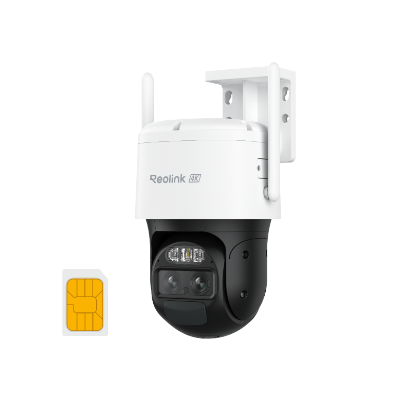
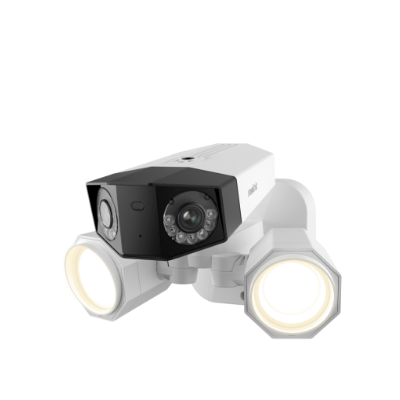
Smart 4K PoE IK10 Camera with 5X Optical Zoom
IK10 Vandal-Proof, 4K 8MP Ultra HD, 5X Optical Zoom, Color Night Vision
FAQs
Where is the safest UK place to live?
The safest city in the UK is often considered to be York, thanks to its consistently low crime rates, strong community policing, and high quality of life. Other safe cities include Bath and Cambridge, which also report low levels of violent and property crime.
Which UK city has the worst crime rate?
Cities like Birmingham and Manchester often rank among those with higher crime rates due to their large populations and urban density. However, crime levels vary by neighborhood, and both cities have safe areas alongside higher-risk zones.
Which UK city has the lowest crime rate?
York ranks as the safest place to live in the UK in our analysis, based on its strong overall performance across safety perception, recorded crime trends, community safety, and quality-of-life indicators. Other highly ranked cities include Edinburgh, Aberdeen, Wells, and Bath.
Which UK city has the best quality of life?
York is widely regarded as one of the UK cities with the best quality of life. It combines strong employment opportunities, good schools, cultural amenities, green spaces, and relatively high safety levels, making it an attractive place to live for families and professionals. Recent UK quality-of-life rankings have also placed York among the country's top-performing cities.
Conclusion
York ranks first in our analysis of the safest cities in the UK, followed by Edinburgh and Aberdeen, while Wells records the lowest crime rate among the cities compared. However, city-wide rankings should be used as a starting point rather than a guarantee of local safety, as crime levels can vary significantly between neighbourhoods.
Search
Subscribe for the Latest Updates
Security insights & offers right into your inbox