
10 Most Dangerous Cities in Washington (2026 Crime Data)
Ever wondered why some Washington towns feel tense after dark while others feel like sleepy hamlets? Crime does not spread evenly across the Evergreen State. A handful of the worst places to live in Washington state face much higher rates of assault.
This detailed guide drills into the most dangerous cities in Washington using the 2026 crime totals released by state and federal agencies. You will learn which city leads the pack, what pushes crime so high, and which habits help residents cut risk.
What City in Washington Has the Most Crime?
Fife claims the top spot again in 2026. The small Pierce County city sits along Interstate 5 with a cluster of freight yards, truck stops, and budget motels. That mix of nonstop traffic and limited neighborhood watch groups creates ripe hunting grounds for thieves looking for quick grabs and easy getaways.
Police data for the latest 12‑month cycle shows 1,529 violent crimes per 100,000 residents—mainly aggravated assaults and armed robberies. Property offenses soar to 9,857 per 100,000, while 3,544 vehicles vanish or show up stripped.
Top 10 Most Dangerous Cities in Washington
Crime isn’t the same everywhere in Washington. Some cities have it tougher than others. Below, we list the 10 most dangerous cities in Washington state. Each one comes with its own challenges, from violent crimes to property theft. Let’s check them out one by one.
1. Fife
Freight lines, busy highway ramps, and a shortage of street lighting put Fife in a tough position. Violent crime jumps to 1,529 per 100,000, mostly assaults that start in motel parking lots or late‑night bars.
Property crime hovers at 9,857, and thieves rip away 3,544 cars each year—often older Hondas or Kias with weak ignition locks. Many residents rent month‑to‑month and move often, leaving little time to form strong neighborhood ties.
2. Tacoma
Washington’s third‑largest city blends a deep‑water port, a lively arts scene, and pockets of stubborn poverty. The latest report lists 1,242 violent crimes, with aggravated assaults leading the chart. 7,353 property crimes follow close behind.
Car thieves snatched 2,921, dragged them to chop shops, then funnel parts north and south on I‑5. Older industrial districts offer empty warehouses where squatters and drug dealers hide.
3. Tukwila
At only ten square miles, Tukwila packs the biggest retail center in Washington: Southcenter Mall. Daily shoppers draw shoplifting rings that turn petty theft into full‑blown organized crime. The city clocks 842 violent crimes, often robberies that start in crowded parking lots. Property crime astonishes at 18,003 per 100,000—by far the state’s highest ratio.
On top of that, 4,239 cars disappear yearly, with fast freeway exits enabling joyrides and quick resales across county lines. Police partner with mall security, but window‑smashers still target unlocked delivery vans and rideshare drop‑off zones.
4. Seattle
Seattle’s skyline glitters with tech wealth, yet street‑level risk varies by block. Citywide, officers log 777 violent crimes, concentrated in nightlife hotspots like Belltown and Capitol Hill.
Property offenses sit at 5,110, but those numbers climb in dense neighborhoods with scarce secured parking. Rising rent squeezes middle‑income earners, pushing some into cars or tents, and that unstable housing feeds petty theft.
5. Lakewood
Bordered by military gates on one side and older strip malls on the other, Lakewood feels both transient and tight‑knit. The annual tally lists 754 violent crimes, mostly fights outside nightclubs along Pacific Avenue. Burglars pull off 4,913 property crimes, sneaking into detached garages and unlocked rear patios.
6. Spokane
Eastern Washington’s cultural hub balances college campuses and historic theaters with budget motels and vacant buildings downtown. Crime stats show 717 violent incidents, heavy on bar‑fight assaults.
The property‑crime count reaches 5,443, and 705 cars vanish or resurface torched. Meth and fentanyl markets run along East Sprague Avenue, fueling smash‑and‑grabs for drug money.
7. Shelton
Shelton’s timber roots stretch back a century, but the lumber economy now employs fewer locals, leaving wage gaps and idled mills. As a result, 814 violent crimes pop up, with domestic assaults leading the slate.
The city also shows 3,202 property crimes and 620 stolen vehicles—a huge number for only 11,000 residents. Thieves tow older pickups from driveways, strip them at hidden forest clearings, then sell parts in Olympia.
8. Vancouver
Portland’s northern neighbor claims its own downtown craft‑beer scene, but higher Oregon taxes drive many shoppers north, and that hustle invites crime. The city lists 650 violent crimes—a rise driven by gang rivalries transplanted from across the river.
4,490 property crimes include porch piracy along new condo rows, while 1,205 car thefts lead insurance firms to raise premiums.
9. Federal Way
A spread of mid‑rise apartments and mega shopping plazas lines Highway 99 through Federal Way. The latest tallies note 634 violent crimes, many tied to late‑night disputes at strip‑mall bars. Police record 5,335 property crimes plus 2,333 vehicle thefts, often involving teens who post joyride clips on TikTok. Vacant big‑box stores create blind spots behind loading docks, perfect for stash houses.
10. Toppenish
This Yakima Valley farm town mixes murals, rodeos, and fertile fields, and faces gang pressure tied to regional drug routes. Annual numbers hit 613 violent crimes, including a handful of murders that rock its 9,000 residents.
5,726 property crimes focus on farm‑truck break‑ins and tool theft. 1,145 cars go missing, often stripped for catalytic converters.
How We Determine the Most Dangerous City in Washington?
Before ranking any location, analysts filter every Washington municipality above 5,000 residents through the same yardstick:
- Violent‑crime rate shows the chance of facing assault, robbery, rape or homicide. Because violence harms bodies and minds, this stat carries the most weight.
- The property crime rate covers burglary, theft, and arson. While not always deadly, these crimes erode trust and cost residents real money.
- Motor‑vehicle theft rate earns its own line. A statewide spike after 2022 means stolen cars now drive many insurance hikes.
- Population adjustment converts raw numbers into “per 100,000 residents” so big Seattle and small Shelton can sit on the same chart.
- Three‑year trend matters. Cities with climbing rates rank higher than those with one bad year but a downward pattern.
- Uniform reporting keeps data honest. All figures come from the FBI’s NIBRS system paired with 2026 state updates, so the numbers match across county lines.
Factors Contributing to Dangerous Cities in Washington
Several statewide issues push certain zip codes onto the danger list:
- Economic stress: Sky‑high rent and low‑hour jobs force some families to choose between bills and groceries.
- Drug markets: Fentanyl tablets and crystal meth move along I‑5 and eastern farm roads that contribute to crime.
- Transit crossroads: Cities hugging major interstates see more crooks because getaway lanes sit seconds away.
- Nightlife density: Blocks packed with bars draw crowds but also spark brawls.
- Police staffing gaps: Retirement waves and tight budgets leave many departments down 10–20 percent.
- Housing instability: Tent villages under highway ramps house many displaced residents.
Safety Tips for Residents and Visitors in Washington
Crime stats may feel daunting, but a few smart habits trim risk across the board:
- Lock and layer: Always lock doors—even during a five‑minute dash into a coffee shop.
- Light the night: Motion‑activated LEDs on porches and alleyways startle prowlers and give cameras clear frames.
- Buddy up: Walk with a friend after dark, especially near transit hubs.
- Know your neighbors: Swap phone numbers, set up a text thread, and share door‑camera clips.
- Guard deliveries: Use parcel lockers at grocery stores or ask a trusted neighbor to grab boxes.
- Check crime maps: Seattle’s SPD Blotter, county GIS dashboards, and community apps show fresh trouble spots.
- Secure wheels: Park under lights, angle wheels toward curbs, and keep valuables out of sight.
For homeowners in Washington, installing outdoor or indoor security cameras is also a reliable way to enhance home security and protect your property.
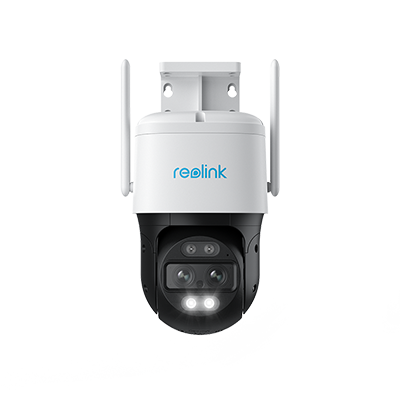
4K Dual-Lens PTZ Camera with Motion Tracking
4K 8MP UHD, Wide-Angle & Telephoto Lenses, Pan-Tilt-Zoom, Auto-Tracking, Person/Vehicle Detection, 2.4/5 GHz Dual-Band WiFi, Two-Way Audio.
FAQs
Where is the safest place to live in Washington?
Oak Harbor on Whidbey Island wins year after year. Violent crime rates hover 70 percent below the state norm, and property crime remains low thanks to an active Navy base security presence and tight island entries. Residents often leave bikes on front lawns without worry.
What are the top 10 cities with the most crime?
Fife, Tacoma, Tukwila, Seattle, Lakewood, Spokane, Shelton, Vancouver, Federal Way, and Toppenish carry Washington’s highest crime rates for 2026 based on violent, property, and car‑theft data.
What are the top 5 major cities in Washington?
By population, the list reads: Seattle, Spokane, Tacoma, Vancouver, and Bellevue. Of those five, only Bellevue avoids the danger list because its violent‑crime rate lands well below the state average.
Conclusion
Crime in Washington does not spread like a blanket; it clusters in corridors where poverty, drugs, and easy freeway exits collide. Fife, Tacoma, and Tukwila headline the most dangerous cities in Washington, while Oak Harbor and many small towns remain peaceful havens.
Armed with clear data, strong locks, and alert neighbors, even families in the worst places to live in Washington state can shrink their odds of becoming a statistic. How does this list match your local experience? Share thoughts or extra safety tips below.
Search
Subscribe for the Latest Updates
Security insights & offers right into your inbox