
Top 10 Most Dangerous Cities in the UK

The UK is a safe country overall, but several cities have serious crime problems.
Based on rates of violent and property crime, this guide ranks the most dangerous cities in the UK. Knowing these cities of highest crime rate in UK helps you remain secure and make wise decisions, whether you're a local or a guest.
Top 10 Most Dangerous Cities in the UK
Bradford
Bradford is the most dangerous city in West Yorkshire. The overall crime rate in Bradford in 2026 is 123 crimes per 1,000 people, which is 26% higher than the regional average of 98 per 1,000 daytime population.
The most common offences in Bradford are violence and sexual offences, making up a significant portion of overall crime in the city. These types of incidents have a strong impact on public safety and are a major concern for residents, particularly in busy urban areas.
Leeds
The overall crime rate in Leeds in 2026 is 108 crimes per 1,000 people, which is 11% higher than the regional average of 98 per 1,000 daytime population.
The most common offences in Leeds are violence and sexual offences, accounting for a significant share of overall crime. Other frequently reported offences include shoplifting, antisocial behaviour, burglary, and public order incidents, all of which contribute to ongoing safety concerns across the city.
Birmingham
The overall crime rate in Birmingham in 2026 is 104 crimes per 1,000 people, which is 17% higher than the West Midlands rate of 89 per 1,000 daytime population.
The most common offences in Birmingham are violence and sexual offences, with a rate of nearly 58 incidents per 1,000 people, making it the highest crime category in the city.
Leicester
The overall crime rate in Leicester in 2026 is 100 crimes per 1,000 people, which is 44% higher than the Leicestershire rate of 69 per 1,000 daytime population.
The most common offences in Leicester are violent crimes and sexual offences, accounting for over 17,000 reported cases and around 35% of all crime. Anti-social behaviour is also a major issue, with 6,770 incidents making up about 14% of offences, followed by public order crimes, which total 4,926 cases and represent roughly 10% of overall crime.
Liverpool
The overall crime rate in Liverpool in 2026 is 107 crimes per 1,000 people. The most common offences are violence and sexual offences, with 25,193 cases accounting for 36% of all crime. This is followed by drug-related offences, totaling 7,938 incidents (11%), and public order crimes, with 6,797 cases making up 10% of overall offences.
Blackpool
The overall crime rate in Blackpool in 2026 is 133 crimes per 1,000 people. The most common offences in Blackpool are violence and sexual offences, accounting for approximately 37%–42% of all reported crime. Antisocial behaviour—often linked to alcohol-related disorder and vandalism—is also widespread. In addition, theft-related crimes, including shoplifting, bicycle theft, and residential burglary, remain significant, partly driven by the area’s high volume of visitors.
Bristol
The overall crime rate in Bristol in 2026 is 102 crimes per 1,000 people, with violence and sexual offences making up a significant share of reported incidents. In total, there were 24,766 cases of violence and sexual offences, accounting for around 35% of all crimes in the city.
Middlesbrough
The overall crime rate in Middlesbrough in 2026 is 141 crimes per 1,000 people. Middlesbrough experiences relatively high crime levels, with violent crime being the most prevalent, accounting for 30.9% of all offences. This is followed by anti-social behaviour at 19.7%, criminal damage and arson at 11.1%, and shoplifting at 9.0%.
Nottingham
The overall crime rate in Nottingham in 2026 is 104 crimes per 1,000 people. The most common offences in Nottingham are violence and sexual offences, which make up approximately 30–33% of all reported crime. Other frequently reported crimes include anti-social behaviour, shoplifting, and criminal damage or arson, while vehicle crime and burglary also occur regularly in the area.
Sheffield
The overall crime rate in Sheffield in 2026 is 85 crimes per 1,000 people. The most common offences in Sheffield are violent and sexual offences, making up approximately 32–35% of all reported crimes.
UK Crime Rate Overview
The UK experiences a wide range of criminal activities that vary significantly by region and city. Violent offenses, including assaults and robberies, represent a serious concern in many urban areas, with certain cities experiencing knife crime epidemics. Property crimes such as burglary and vehicle theft remain persistent problems across the country, often tied to economic conditions and drug addiction issues.
Recent crime trends show several concerning developments across the UK. Knife crime has increased by approximately 12% in major cities over the past three years, particularly affecting younger demographics.
What Makes Some Cities with the Highest Crime Rate in UK?
Several interconnected factors contribute to making certain UK cities more dangerous than others.
- Economic deprivation is a key driver of crime, with poorer neighborhoods consistently experiencing higher crime rates. Areas affected by unemployment, poor housing, and limited social services tend to see more theft, vandalism, and drug-related offences. Poverty remains one of the strongest predictors of urban crime levels.
- The illegal drug trade is another major factor influencing crime in UK cities. Gang conflicts over territory and distribution networks often escalate into violent incidents, contributing significantly to overall crime rates.
How to Stay Safe in Most Dangerous Cities in the UK?
Living in cities with higher crime rates starts with building simple habits that improve awareness and reduce risk in everyday situations.
- Avoid High-Risk Situations When Possible: Try not to walk alone at night in areas known for higher levels of crime. Choosing safer routes or using reliable transport options can significantly lower exposure to potential threats.
- Stay Alert in Busy Urban Areas: In crowded places, keeping attention on your surroundings helps reduce vulnerability to pickpocketing and opportunistic theft. Avoid distractions like looking at your phone for long periods, and keep personal belongings secure and close to your body.
- Keep Valuables Secure and Low-Profile: Avoid openly displaying phones, wallets, or other valuables in public. Using zipped bags, inner pockets, or anti-theft storage can make you less of a target for opportunistic offenders.
- Strengthen Home Security Measures: Homes in higher-crime areas benefit from basic but effective security upgrades such as strong door and window locks, motion-activated lighting, and alarm systems to deter break-ins.
- Use Smart Surveillance for Added Protection: Devices like the Reolink TrackMix PoE provide an added layer of security. This dual-lens camera offers both wide-area coverage and close-up detail, automatically tracks movement, and sends real-time alerts, helping homeowners monitor activity around their property more effectively.
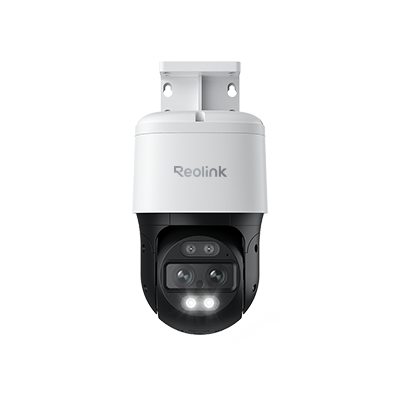
4K Dual-Lens PTZ Camera with Dual Tracking
4K 8MP Ultra HD, Wide & Telephoto Lenses, Pan & Tilt, Auto-Tracking, Person/Vehicle Detection, Power over Ethernet, Two-Way Audio.
- Build Consistent Safety Habits: Simple routines—locking doors and windows properly, checking security alerts, and being aware of unusual activity in your neighbourhood—can significantly improve overall safety. A consistent approach to personal and home security is often the most effective form of protection.
FAQs
What UK city has the highest crime rate?
Blackpool currently has the highest crime rate, particularly for violent offenses.
Is Glasgow or London safer?
Glasgow often has a higher violent crime rate than London.
Which is the safest city in the UK?
Although definitions of safety differ, York, Harrogate, Chester, Bath, and Norwich are consistently considered among the safest cities in the UK thanks to their low crime rates.
Where has the most murders in the UK?
London records the highest number of murders due to its size, but per capita rates are worse in smaller cities.
Which UK city has the most stabbings?
London records 14,577 knife crimes a year, giving it a violence rate of 16.2 per 1,000 residents—almost twice the national average. Boroughs like Croydon (19.4) and Newham (18.7) are key hotspots, driven by gang activity and drug crime. On average, the capital faces 40 knife offences daily, with several leading to hospitalizations. Rising knife carrying among 13–15 year olds, especially in areas with lower school attainment, adds to the concern.
What are the top 5 crimes in the UK?
CSEW headline crime covers offences such as theft, robbery, criminal damage, fraud, computer misuse, and violence with or without injury. Information on these crime types is gathered through interviewer-led sections of the survey.
Conclusion
The most dangerous cities in the UK require caution, but awareness and smart precautions can help you stay safe. By understanding crime trends and taking protective measures, residents and visitors can avoid the most dangerous places to live in UK. Before relocating or visiting any city in the UK, check the crime stats and how you can ensure your safety.
Search
Subscribe for the Latest Updates
Security insights & offers right into your inbox