
Top 10 Most Dangerous Cities in Texas: Crime Rates Revealed
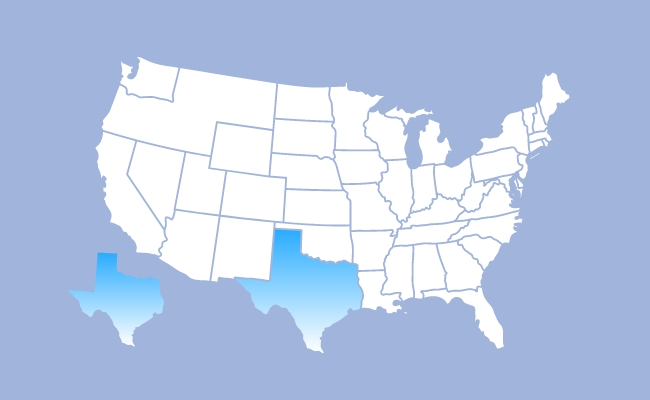
Texas offers vibrant culture and economic opportunities but also faces significant crime challenges in urban areas.
In this article, we will share the most dangerous cities in Texas, highlight the worst place to live in Texas, and present data on violent crime rates (VCR) and property crime rates (PCR). We will identify high-risk areas, analyze crime trends, and provide essential safety tips for residents and visitors navigating these cities.
Top 10 Most Dangerous Cities in Texas
Based on the 2025/2026 data from the FBI’s Uniform Crime Reporting (UCR) and the Texas Department of Public Safety (DPS), crime trends in Texas have shifted. While many major cities saw double-digit decreases in homicides and robberies in 2025, property crime—specifically motor vehicle theft—remains a primary concern.
Below is the updated list of cities with the most significant safety challenges heading into 2026.
1. Houston
Houston continues to face the highest volume of crime in Texas, though 2025 data showed a promising 21% decrease in homicides citywide. Latest statistics indicate a violent crime rate of 12.4 per 1,000 residents, with property crimes standing at 62.3 per 1,000.
The Houston Police Department notes that while violent offenses are trending down in the "northeast sector," property crimes like vehicle thefts (24.8 per 1,000) remain a persistent plague in downtown areas. Methamphetamine-related arrests saw a notable 15% jump in the latest reporting period, particularly in suburban pockets.
2. Dallas
Dallas has managed a significant turnaround in its violent crime outlook, yet its southern districts still report robbery rates nearly triple the state average. The city records 11.8 violent crimes and 58.9 property crimes per 1,000 residents.
While aggravated assaults in the downtown business district stabilized in late 2025, auto thefts remain high at 19.2 per 1,000, frequently targeting high-traffic tourist areas. Law enforcement continues to attribute a large portion of violent activity to gang-related conflicts along the I-35 corridor.
3. San Antonio
San Antonio’s safety profile is a tale of two cities: a thriving tourist economy and a challenging west-side drug corridor. The current rates stand at 10.6 violent crimes and 54.1 property crimes per 1,000 people.
The River Walk area remains a hotspot for larceny, with theft rates spiking roughly 25% during the Fiesta season and major conventions. A worrying trend for 2026 is the 22% increase in reported hotel and short-term rental burglaries, prompting the SAPD to issue new safety advisories for visitors.
4. Beaumont
Beaumont remains one of the most dangerous mid-sized cities in Texas, with violent crime rates nearly 278% above the national average. It reports 9.9 violent crimes and 49.7 property crimes per 1,000.
The refinery districts are particularly vulnerable to burglary, while the city's overall safety rating is hampered by a high frequency of domestic violence and aggravated assault. The Jefferson County Sheriff’s Office reports that meth-related offenses in northern neighborhoods are running 35% above the state average.
5. Laredo
Laredo’s status as a major border crossing influences its crime statistics, particularly in the realm of property theft. The city reports 9.3 violent crimes and 47.2 property crimes per 1,000 residents.
While "regulatory offenses" related to border activity account for a large portion of police time, vehicle thefts (18.6 per 1,000) are double the Texas average. The Bridge District has recently experienced a 12% increase in high-value warehouse burglaries and cargo theft.
6. Corpus Christi
Corpus Christi documents 8.7 violent crimes and 44.5 property crimes per 1,000 residents, with safety heavily impacted by seasonal tourism. Data from 2025 reveals a 30% surge in total crime between Memorial Day and Labor Day, primarily in coastal zones. While gang violence is a concern in central districts, the most common threat to residents is larceny-theft, which spiked as many other cities in Texas saw overall decreases in 2025.
7. Fort Worth
Fort Worth maintains a safer profile than its neighbor Dallas, but still faces challenges with 8.1 violent crimes and 41.3 property crimes per 1,000 residents. The Stockyards and Cultural Districts generate the highest volume of property offenses, specifically larceny and vehicle break-ins.
Hotspot mapping by the FWPD shows that residential burglaries in northside neighborhoods have increased by 9% year-over-year, even as homicides have begun to decline.
8. Austin
Austin reports 7.9 violent crimes and 40.2 property crimes per 1,000. While violent crime is relatively low for a city of its size, property crime—specifically vehicle break-ins—has reached a crisis point in the Rainey Street and 6th Street districts.
APD statistics show a vehicle break-in occurs roughly every 43 minutes. Additionally, catalytic converter thefts, which surged in 2023-2024, have remained a top priority for local task forces in 2025.
9. El Paso
El Paso is frequently cited as one of the safest large cities in America, but it still appears on this list due to localized high-crime pockets in its northeast and southwest sectors. The citywide violent crime rate is 7.5 per 1,000, with property crimes at 38.4 per 1,000.
The most significant challenge in 2026 is cross-border commerce crime; the El Paso PD reports a high volume of stolen vehicles being successfully transported into Mexico before they can be recovered.
10. Amarillo
Amarillo completes the list with 7.2 violent crimes and 36.8 property crimes per 1,000 residents. Potter County law enforcement identifies methamphetamine use as the primary driver behind its violent crime stats, specifically robberies and assaults.
The city has seen a 12% annual increase in auto thefts, with nearly 45% of all burglary cases originating in the northern industrial and manufacturing zones.
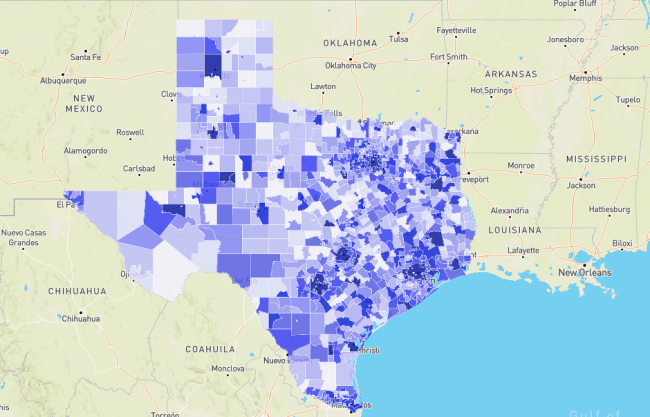
Image Credit: NeighborhoodScout
Most Dangerous Cities in Texas: Summary Table
How We Determine the Most Dangerous City in Texas?
To determine the violent crime rate and other stats in Texas, you can consider some authentic websites and sources.
1. FBI Uniform Crime Reporting (UCR) Program
- The best source is the FBI Uniform Crime Reporting Program
- You can see the crime rates for each year and for different cities in the state
- Provides official national and state-level crime data
2. Texas Department of Public Safety (DPS)
- Another reliable source is the Texas Department of Public Safety (DPS)
- You can check out the Uniform Crime Reporting (UCR) Program
- Offers state-specific crime statistics and law enforcement data
3. Third-Party Crime Data Websites
- You can also see the states on some popular websites, such as SafeWise and NeighborhoodScout
- These platforms provide simplified crime rankings and city comparisons
- Useful for quick insights and trend analysis
Why Some Cities in Texas Have Higher Crime Rates?
Texas' crime patterns reveal distinct regional challenges.
Border-Related Crime Pressure
- Border cities like Laredo and El Paso face unique drug trafficking pressures, evident in their elevated VCRs
- These areas see smuggling-related violent crimes 40% above state averages
Economic Disparities and City Size
- Economic factors significantly impact property crime rates
- Houston's crime rate reflects both its size and income disparities
Tourism and Seasonal Crime
- Tourist destinations like San Antonio and Corpus Christi experience seasonal theft waves targeting visitors
Gang Activity in Urban Areas
- Urban gang activity remains a key driver of violent crime
- Dallas' southern districts account for 65% of gang-related incidents, contributing to its crime rate
- These areas show robbery rates triple the state average
How to Stay Safe in Dangerous Cities in Texas?
Navigating Texas's urban areas safely requires awareness and proactive measures.
1. Personal Safety Awareness
- In worst cities in Texa, maintain constant situational awareness and avoid displaying valuables
- Park in well-lit, secured areas and vary your routines to avoid establishing predictable patterns that criminals might exploit
2. Home Security Solutions
- For home protection, consider investing in the Reolink TrackMix security camera, a pan-and-tilt dual-lens camera that simultaneously captures both wide-angle and close-up views
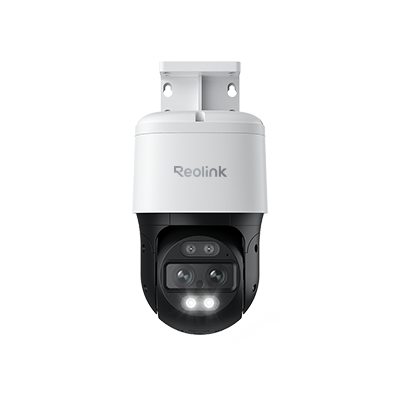
4K Dual-Lens PTZ Camera with Dual Tracking
4K 8MP Ultra HD, Wide & Telephoto Lenses, Pan & Tilt, Auto-Tracking, Person/Vehicle Detection, Power over Ethernet, Two-Way Audio.
- It automatically tracks moving objects, keeps them in focus, and sends real-time alerts to your connected devices
- For crime deterrence, Reolink Floodlight cameras are a great choice

Smart 2K Solar Floodlight Security Camera
150° Ultra-Wide View, 2K 4MP HD Resolution, AI-Based Adaptive Floodlight, Endless Power with Reolink SolarEase™.
- Equipped with powerful, bright floodlights, they help scare off intruders while lighting up the area to capture vivid colors and fine details at night
3. Community-Based Protection
- Community engagement remains one of the most effective safety strategies
- Participate in neighborhood watch programs, which have been shown to reduce local crime rates by up to 16%
- Stay informed through local safety apps and police department alerts
- Always report suspicious activity promptly
4. Property Risk Reduction
- Simple precautions like proper lighting and trimmed landscaping can significantly reduce your property's vulnerability to crime
FAQs
What city in Texas has the highest crime rate?
Houston has Texas's highest combined crime rates (VCR 12.4, PCR 62.3). Its violent crime leads the state, particularly in the northeast districts.
What is the #1 safest city in Texas?
The safest city in Texas can vary depending on the ranking source and year, but small suburban cities like Frisco, McKinney, and Sugar Land are consistently ranked among the safest. These areas typically report low violent crime rates, strong community policing, and higher household incomes, which contribute to lower overall crime levels compared to major metropolitan cities like Houston or Dallas.
What areas should I avoid in Texas?
There is no single “avoid list,” but some large urban areas and specific districts tend to have higher crime rates, especially in parts of major cities. These include:
- Certain neighborhoods in Houston and Dallas, where violent and property crime rates are higher
- Specific southern or high-traffic districts with known gang or theft activity
- Tourist-heavy areas during peak seasons (e.g., parts of San Antonio River Walk or Corpus Christi beaches) where pickpocketing and theft can increase
In general, it’s best to stay aware in dense urban areas, poorly lit neighborhoods, and unfamiliar districts, and check local crime maps before visiting or moving.
Conclusion
Whether you are visiting or relocating, it's essential to be aware of the most dangerous city in Texas. From Houston's gang violence to border cities' unique challenges, and even areas often labeled as the worst place to live in Texas, each requires specific safety strategies.
Stay informed about local crime patterns, invest in proper security measures, and engage with community safety initiatives. The residents can confidently navigate urban Texas through this while enjoying all the cultural and economic opportunities these cities offer.
Search
Subscribe for the Latest Updates
Security insights & offers right into your inbox