
Top 10 Most Dangerous Cities in Maryland
Maryland offers coastal charm and bustling cities, but some areas rank among the worst places to live in Maryland due to high crime rates.
This analysis highlights urban centers with alarming violent and property crime statistics, helping residents and visitors make informed safety decisions. From Baltimore's struggling neighborhoods to smaller cities battling drug-related offenses, let's break down the risks using the latest data and law enforcement reports. Stay aware to protect yourself and your family.
Is Maryland Dangerous?
Maryland’s crime landscape presents sharp contrasts, with safe suburban enclaves alongside high-risk urban zones. The state’s violent crime rate (VCR) averages 4.1 incidents per 1,000 residents, 20% higher than the national average. Cities like Baltimore and Cumberland drive these numbers, with robbery and aggravated assault rates exceeding state norms by 150% in certain neighborhoods.
Recent crime trends show a troubling 9% spike in carjackings and a 12% increase in retail thefts since 2022. The Maryland State Police attribute this to organized theft rings and gang conflicts over drug territories. Meanwhile, homicides remain stubbornly high in Baltimore, accounting for 60% of Maryland’s annual total.
Property crime rates (PCR) tell a similar story, averaging 24.9 per 1,000 statewide, with hotspots reaching 50+ in high-risk areas. Auto thefts have surged 18% year-over-year, particularly in cities near major highways. The 2023 FBI UCR Report confirms these patterns, noting that economic disparities and drug trafficking fuel Maryland’s most persistent crime challenges.
Top 10 Most Dangerous Cities in Maryland
The most dangerous cities in Maryland present significant safety challenges, with crime rates far exceeding state and national averages. These ten communities stand out for their high violent and property crime statistics:
Baltimore
Baltimore’s VCR (12.4) and PCR (58.2) dwarf state averages, with 14+ violent crimes daily. The Sandtown-Winchester area sees homicide rates 8x the national average.
Crime trends show armed robberies shifting from convenience stores to delivery drivers. Police report improved gang-related arrest rates but still struggle with witness intimidation.
Cumberland
Cumberland’s VCR (8.7) and PCR (42.3) reflect its opioid crisis, with 65% of arrests tied to drug activity. The Queen City Parkway corridor is a known fentanyl distribution hub.
Vacant property thefts (copper wiring, appliances) rose 22% last year. A new task force demolishes blighted buildings to reduce hiding spots for criminal activity.
Salisbury
Salisbury reports a VCR of 7.9 and PCR of 39.1, driven by downtown bar fights and student-targeted thefts. Off-campus robberies peak during university event weekends.
The police department’s new camera network reduced smartphone thefts by 31% in 2023. However, car break-ins remain stubbornly high near shopping centers.
Hagerstown
Hagerstown’s VCR (7.2) and PCR (36.8) stem from I-81’s drug corridor. Motel districts account for 45% of all police calls, often tied to meth trafficking.
Retail theft rings increasingly target big-box stores, with Walmart reporting $ 2 M+ in annual losses. Undercover operations have arrested 12 organized theft suspects this year.
Annapolis
Maryland’s capital has a VCR of 6.8 and a PCR of 34.5. Public housing complexes experience recurring burglary patterns, especially during tourist off-seasons.
Waterfront thefts (boats, marine equipment) spike during summer. The Harbormaster now uses GPS-tracked bait items to catch thieves.
Cambridge
Cambridge's VCR (6.5) and PCR (33.9) reflect its struggles with poverty and drug-related crime. The Race Street corridor accounts for 40% of the city's violent offenses.
Recent police initiatives have reduced open-air drug markets by 25%, but property crimes remain elevated. The city has invested in streetlight upgrades to improve nighttime safety.
Hyattsville
With a VCR of 6.3 and PCR of 32.7, Hyattsville faces challenges from its proximity to Washington, D.C. Robberies along Route 1 account for 35% of violent crimes.
Gentrification has created stark safety disparities between neighborhoods. The police department has implemented community walking patrols to build trust in high-crime areas.
Frederick
Frederick reports a VCR of 6.1 and PCR of 31.5, with crime concentrated in its public housing developments. The Willowdale neighborhood sees 3x more violent crime than city averages.
A recent surge in catalytic converter thefts has prompted police to host free etching events. Downtown parking garages remain hotspots for vehicle break-ins.
Laurel
Laurel's VCR (5.9) and PCR (30.8) stem from its location along major transportation routes. The city's budget motels generate disproportionate numbers of police calls for drug and prostitution offenses.
Retail theft at the Laurel Mall increased 18% last year. Police have partnered with loss prevention officers to identify repeat offenders.
Ocean City
While known as a vacation destination, Ocean City's PCR (52.1) spikes during summer months due to tourist-targeted crimes. The boardwalk area accounts for 60% of all theft reports.
Police note a troubling trend of rental property burglaries, with thieves targeting unattended beach houses. The department has implemented a seasonal officer surge program to address the issue.
Source: Maryland Uniform Crime Report, Local Police Department Statistics
How to Determine the Most Dangerous Cities in Maryland?
Start with the Maryland Justice Dashboard, which offers crime heat maps in real time that be filtered by location, time, and kind of offense. Unlike annual FBI reports, which are delayed by 12 to 18 months, this state-run program is updated every day. Compare this with blotters from the local police department, which frequently describe new trends like carjacking or repeated robberies.
Crime rates per capita offer the fairest comparisons between cities. For example, while Ocean City has more total thefts than Cambridge, its PCR is lower due to massive seasonal population swings. Qualitative factors matter too. Neighborhoods with frequent boarded-up buildings, payday loan stores, and barred windows often correlate with higher crime. When in doubt, visit potential neighborhoods at different times to observe activity levels firsthand.
How to Stay Safe in Maryland?
Urban safety begins with minimizing risk factors. Avoid walking alone at night in high-crime ZIP codes, especially near transit hubs or cash-heavy businesses like liquor stores. Keep phones and wallets concealed, and use ATMs inside banks during daylight hours. If driving through risky areas, keep doors locked and windows up, avoiding distractions like mobile devices.
Home security should be proactive. You can use the Reolink TrackMix camera. It's a dual-lens motion tracking security camera that captures videos in high resolution. It covers a wider area and tracks the movement of objects. It sends real-time alerts to the connected devices and offers incredible features like night vision, two-way audio, dual-viewing, etc.
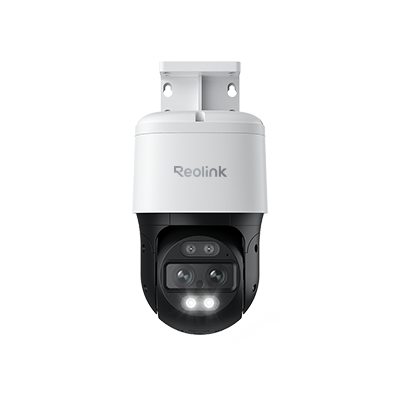
4K Dual-Lens PTZ Camera with Dual Tracking
4K 8MP Ultra HD, Wide & Telephoto Lenses, Pan & Tilt, Auto-Tracking, Person/Vehicle Detection, Power over Ethernet, Two-Way Audio.
Vehicle protection requires consistent habits. Never leave keys or valuables visible, and use steering wheel locks in high-theft areas like Baltimore County. Etching your VIN onto windows makes your car less appealing to chop shops. Consider joining community safety groups like Baltimore’s CitiWatch program, which shares real-time crime alerts.
FAQs
What is the safest place in Maryland?
Columbia ranks as Maryland’s safest city, with violent crime rates 75% below the state average and strong community policing.
What city in Maryland has the most crime?
Baltimore has Maryland’s highest crime rates, accounting for over 60% of the state’s homicides and leading in robberies and aggravated assaults.
Best place to live in Maryland?
Ellicott City offers the best balance, low crime, top-ranked schools, and historic charm while being close to Baltimore and D.C.
Conclusion
The most dangerous cities in Maryland present real challenges, but knowledge transforms risk into preparedness. Knowing local crime trends enables better decision-making. By combining verified data with practical safety strategies, residents can navigate Maryland’s complexities while enjoying its historic charm and natural beauty. Stay alert, stay informed, and prioritize layered protection in higher-risk areas.
Search
Subscribe for the Latest Updates
Security insights & offers right into your inbox