
ip65 vs ip67: What's the Difference?
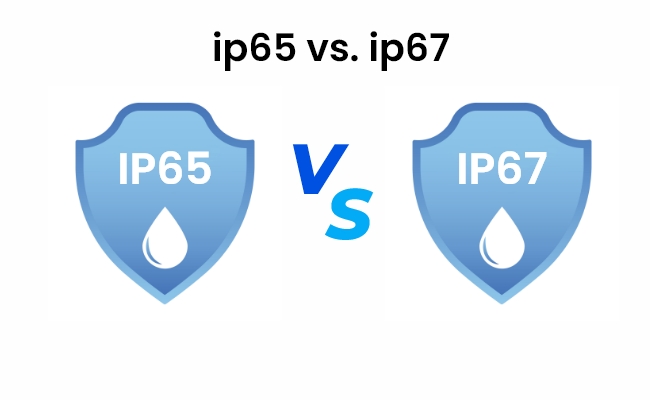
When purchasing electronic devices for challenging environments, understanding IP ratings becomes essential. It explains the protection against particles and water.
In this article, we will explain each rating's specifications, compare their real-world applications, and help you determine which suits your needs.
IP65 vs IP67: What Is IP65 Rating?
The IP65 rating consists of two distinct protection specifications that work together to safeguard your devices. The First Digit (6 - Solids Protection) represents complete protection against dust ingress. The enclosure is dust-tight, preventing any harmful dust accumulation that could damage internal components.
The Second Digit (5 - Liquids Protection) indicates protection against low-pressure water jets from any direction. It can withstand water projected by a 6.3mm nozzle at 12.5 liters per minute. It does that from 3 meters away for at least 3 minutes without harmful water ingress.
IP65 vs IP67: What Is IP67 Rating?
The IP67 maintains the same excellent dust protection as IP65 but significantly enhances water resistance. The Second Digit (7 - Liquids Protection) is where IP67 surpasses IP65, adding protection against temporary immersion in water.
Specifically, IP67-rated devices can withstand immersion in 1 meter of water for up to 30 minutes without damage. IP67 adds temporary immersion protection (1m/30min) to IP65's dust and water jet resistance. It makes devices swim-proof but not suitable for diving.
IP65 vs IP67: What's the Difference Between Them?
IP65 and IP67 are the same when it comes to dust protection, as they have the same solid object protection, which is 6. However, IP67 is much superior in liquid protection. It can offer protection against temporary immersion up to 1 meter, while IP67 only offers protection against water jets.
Choosing Between IP65 and IP67
Select IP65 when your needs include:
- Basic weather protection for outdoor devices
- Dust-tight enclosures for sensitive electronics
- Protection from rain, splashes, and humidity
- Cost-effective weatherproofing solutions
Choose IP67 when you require:
- Protection against temporary water immersion
- Equipment that might get submerged accidentally
- Marine or poolside applications
- Extra peace of mind for water exposure
Additional IP Rating Tips
IP Rating Explanation
The IP rating system uses a standardized two-digit code:
First Digit (Solid Protection):
- 0: No protection
- 1-4: Partial protection against solids
- 5: Dust-protected (limited ingress)
- 6: Dust-tight (complete protection)
Second Digit (Liquid Protection):
- 0: No protection
- 1-4: Protection against dripping/spraying water
- 5: Low-pressure water jets
- 6: Powerful water jets
- 7: Temporary immersion
- 8: Continuous immersion
- 9: High-pressure, high-temperature water jets
IP Rating Application
Different industries utilize specific IP ratings based on their needs:
Consumer Electronics:
- IP65: Weather-resistant smartphones, outdoor speakers
- IP67: Swim-proof wearables, rugged devices
- IP68: Professional underwater cameras
Industrial Equipment:
- IP65: Outdoor control panels, construction equipment
- IP67: Marine instruments, flood zone sensors
- IP68: Submerged piping systems, underwater sensors
Automotive Applications:
- IP65: Interior electronics, dashboard components
- IP67: Under-carriage components, exterior lights
- IP68: Submersible vehicle systems
Comparison Among IP65 vs IP67 vs IP68
IP65, IP67, and IP68 primarily differ in the liquid protection. Solid protection of all these is the same. IP65 offers protection against water jets from any direction, IP67 offers protection against temporary immersion in water for up to 1 meter, and IP68 offers protection against prolonged immersion in water beyond 1 meter.
Here’s a quick comparison.
Bonus: Weatherproof Security Camera Recommendation
Home Hub with Argus 4 Pro
Home Hub with Argus 4 Pro is a weatherproof security camera system. The cameras have an IP66 protection rating, so they can withstand harsh weather conditions, be it rain or snow. It can be placed outdoors without any worries. It’s a Wi-Fi 6 security camera system to ensure stable and fast connectivity.
The camera captures videos in 4K resolution. Its dual lenses offer a 180⁰ field of view and cover a wider area while eliminating blind spots. It’s also equipped with Reolink ColorX night vision to offer clear and colored videos all day. It offers 30% more battery and solar recharging compatibility. The Home Hub comes with a 64GB microSD card and can store data without any fee.
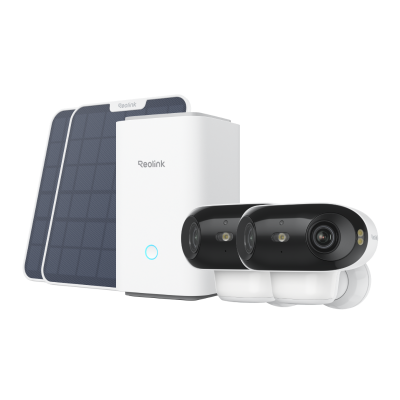
4K UHD Wi-Fi 6 Security System with 180° Blindspot-Free View
ColorX Night Vision, 1 Year of Local Storage, Exclusive Anti-Theft Algorithms, 180° Blindspot-Free Coverage, Expandable System Up to 8 Reolink Cams.
Home Hub with Argus Eco Ultra
Home Hub with Argus Eco Ultra is a wireless security camera system. The cameras have aluminum housing to guarantee excellent weather resistance. It can work both indoors and outdoors and offer incredible performance in all weathers. It’s a solar-powered camera that allows you to enjoy non-stop surveillance without recharging.
The cameras record in 4K resolution and have colored night vision. They can smartly detect objects and send real-time alerts. The Home Hub offers one-year local storage without any monthly fee. Plus, the anti-theft algorithms ensure data privacy. It offers a regular security summary and can support up to eight security cameras to cover a large area.
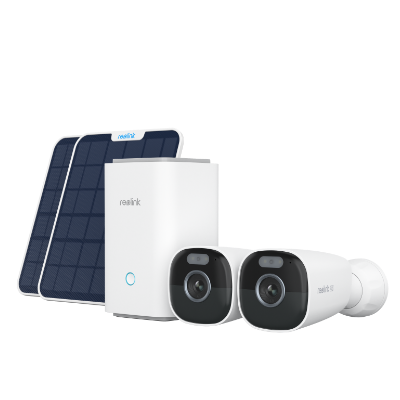
Wireless Security System with 4K Wi-Fi Solar/Battery Standalone Camera Without Monthly Fees
4K Color Footage Day & Night, 1 Year of Local Storage, Exclusive Anti-Theft Algorithms, 360° All-Around Coverage, Expandable System Up to 8 Reolink Cams.
FAQs
Which is better, IP65 or IP67?
IP67 is superior as it adds temporary immersion protection to IP65's dust and water jet resistance. However, IP65 may be sufficient and more cost-effective if you only need weather protection without submersion capability.
Is IP65 enough for rain?
Yes, IP65 provides excellent protection against heavy rainfall and water splashes. It's specifically designed to handle outdoor weather conditions where complete waterproofing isn't required.
Is IP67 completely waterproof?
No, IP67 means water-resistant with temporary immersion capability (1m for 30 minutes). True waterproofing requires IP68 or higher ratings for continuous underwater use.
Which is better, IP65 or IP68?
IP68 offers significantly better protection for underwater use, while IP65 only resists surface water exposure. Choose IP68 only if you need professional-grade waterproofing for diving or prolonged submersion.
Conclusion
IP65 provides excellent dust and water jet resistance, while IP67 adds crucial temporary immersion protection. We highlighted important protection level differences for electronic devices. Your choice should depend on specific environmental exposures and usage scenarios. Remember that higher IP ratings often increase cost, so match the protection level to your actual needs.
Search
Subscribe for the Latest Updates
Security insights & offers right into your inbox