
I Know Who Stole My Stuff What Can I Do? Find Your Answer Here!
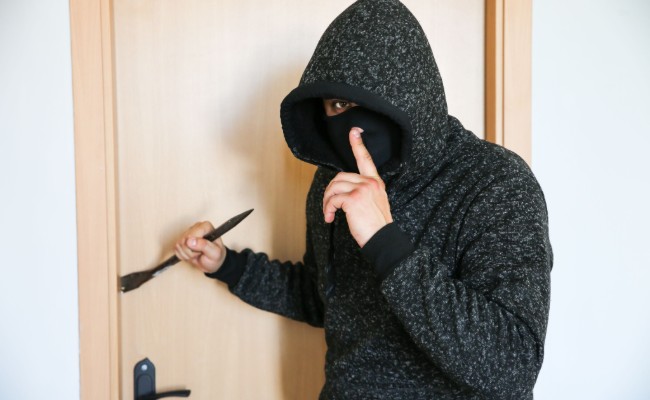
It's frustrating and stressful when you know who stole something from you. Luckily, there are things you can do to recover your property and protect your rights. This article ends with actionable steps on how to avoid theft, pursue justice, and prevent all common future incidents.
So, if you are also thinking I know who stole my stuff what can I do, we have all the answers for you.
I Know Who Stole My Stuff What Can I Do?
If you know who stole your property, prioritize your safety and avoid confronting the person if there is a risk of conflict. Document the stolen items, preserve receipts, serial numbers, messages, witness information, and security camera footage, then report the theft to local law enforcement. Depending on the situation, you may also need to contact your insurer or seek legal advice.
1. Make a list of the lost items
First off, put down notes for all the items that were stolen. If you can provide a value, that’s great. However, if not, at least include descriptions with any identifying features. That inventory will help authorities and legal professionals understand what was stolen.
2. Gather necessary evidence
Proving your case is all about evidence. Get pictures of the stolen items, receipts, serial numbers, and any other data you have. If someone else has what you've stolen, including written or digital receipts proving they were shown your stolen items, try to find proof like video, social media posts, or eyewitness accounts.
If the theft was captured by a security camera, save the original footage as soon as possible and keep a backup copy. Video showing the person, vehicle, direction of travel, or time of the incident may help investigators.
Protect your stuff like never before. Try the Reolink Duo 3 WiFi with 16MP resolution and a wide 180-degree field of view!
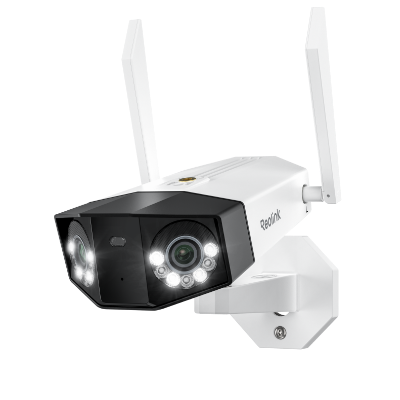
Groundbreaking 16MP Dual-Lens WiFi Camera
16MP UHD, Dual-Lens, Motion Track, 180° Wide Viewing Angle, Plug-In WiFi, Color Night Vision.
3. File a police report
Report to your local law enforcement agency if your stuff is stolen. Give them the list of stolen items, and the evidence you may have. Sometimes you need to have a police report. The reason is that if everything’s legal, you need insurance money, or you want to get things back through an official channel.
4. Request a civil standby
If you need to recover belongings from someone and are concerned about a confrontation, contact your local law enforcement agency and ask whether it offers a civil standby or similar service.
A civil standby may allow an officer to be present while you retrieve property, helping reduce the risk of conflict. However, availability, eligibility, time limits, and the officer’s role vary by jurisdiction. Officers may keep the peace, but they typically do not decide ownership disputes on the spot.
Before going, bring any documents that support your claim, such as receipts, photos, serial numbers, messages, or a police report. If there is a dispute over ownership or you feel unsafe, avoid confronting the person yourself and consider seeking legal advice.
Note: Civil standby procedures differ by city, county, and state, so check with your local police or sheriff’s department for current rules.
5.Send a demand letter
Write a demand letter to get your property back. Write a clear description of the items, examples of evidence of your claim, and a deadline for compliance. When it comes to an effective letter, a lawyer can help.
6. Report an insurance claim
If all your stolen property is covered by renters or homeowners' insurance, file a claim. Give a copy of the police report, an itemized list (itemizing everything they said could be replaced or repaired), and the insurance company request.
7. Consider Small Claims Court
If other recovery efforts fail, you may be able to pursue the value of the stolen property through small claims court, depending on your local laws and the amount involved.
Small claims procedures are designed to be simpler than regular civil lawsuits, but the rules vary by state and court. A lawyer is not always required, and in some jurisdictions attorneys may even be restricted from appearing in small claims proceedings. Check your local court’s requirements before filing.
Bring clear evidence to support your claim, such as receipts, photos, serial numbers, messages, witness statements, police reports, and any other proof of ownership or loss. Keep in mind that winning a judgment does not automatically guarantee payment, so you may also need to follow local enforcement procedures afterward.
Note: Filing limits, fees, attorney rules, and enforcement procedures vary by jurisdiction. Check your local small claims court or official court website for current requirements.
How to Deal with Someone Who Steals Your Stuff?
Knowing the person who is stealing and dealing with them in the right way can be your key to getting your things back. The key is acting calmly and below are some tips for you,
1. Don’t react impulsively
Do not confront the thief angrily, do not threaten the thief. Unfortunately, if legal action is ever necessary, this could escalate the situation and hurt your case.
2. Collect the proof
Before doing anything, gather as much evidence as possible which will help you to take any action. Your case gets stronger with clear, indisputable proof and minimizes disputes.
3. Decide whether to confront them.
So, if you'd like to simply ask the person in a calm way to return your property, you can. But be warned that it doesn’t work all of the time.
4. Report theft to authorities
In all but a handful of cases, the best option is to involve law enforcement. A police report is valuable as it serves proof that the theft did in fact occur. It even make your legal documentation less difficult.
5. Seek Mediation or Pursue Legal Action
If direct confrontation doesn’t work, use a third-party mediator to work out the issue or go to court to try and get your property back.
Once you've reported the theft and preserved your evidence, the next step is reducing the chance of it happening again. Focus on the areas a thief is most likely to approach, such as front doors, driveways, garages, side entrances, and backyards.
If Someone Refuses to Return Your Stuff, Is It Theft?
In some cases, refusing to return another person's property can be considered theft. Legal definitions differ, but they may be charged with theft or conversion if they keep items, they don’t own knowing it. Legal action and a police report can take care of such situations.
How to Sue Someone for Stolen Stuff?
Suing for stolen property involves a few key steps:
- File a legal complaint to your local small claims court.
- Make sure the person who stole your property is notified of the lawsuit that you will be introducing.
- Go to court with detailed evidence of police reports (including officers' time sheet entries), receipts, photos, etc.
- Attend the hearing to make the judge see your side of things when you present your case and answer any questions.
- Collect the judgment, that judgment may not be enough to get your items or get you the money, you’ll need help getting that judgment enforced.
How to Keep Your Stuff Safe from Theft?
Preventing theft starts with making your property harder to access and easier to monitor. Consider these practical steps:
- Install security cameras: Monitor entrances, driveways, garages, and other high-risk areas. Visible security cameras may also help deter potential intruders and provide video evidence if theft occurs.
- Use a video doorbell: Monitor visitors and package deliveries at your front door and receive real-time alerts when activity is detected.
 Reolink Video Doorbell (WiFi)
Smart 5MP Video Doorbell with Chime
5MP Super HD Day & Night, Person Detection, 2.4/5 GHz Dual-Band WiFi, 180° Diagonal Viewing Angle, Two-Way Audio, Rich Notification.
- Secure valuable items: Keep jewelry, electronics, documents, and other valuables in a locked or secure location.
- Record identifying information: Keep photos, receipts, model numbers, and serial numbers for valuable belongings to help identify them if stolen.
- Avoid advertising valuables: Be cautious about sharing expensive purchases or extended periods away from home on social media.
Can Security Camera Footage Help Recover Stolen Property?
Security camera footage can provide useful evidence after a theft by showing when the incident occurred and potentially capturing the person, clothing, vehicle, license plate, or direction of travel. Save the original footage and provide relevant clips to law enforcement rather than confronting a suspected thief yourself.
What Security Camera Features Help Capture Theft Evidence?
- High resolution: clearer identifying details
- Wide coverage: fewer blind spots
- Smart detection: easier event retrieval
- Local recording: keeps footage available for review
Looking for a camera to protect your property? Explore Reolink high resolution security cameras for entrances, driveways, yards, and other high-risk areas.
FAQs
How can I legally get my belongings back?
Filing a police report, requesting a civil standby, and suing for small claim court, are all ways you can legally retrieve belongings.
Can the police do anything about stolen items?
Yes. Police may take a theft report, collect evidence, investigate the case, and help recover stolen property when possible. If there is enough evidence, the case may also be referred for criminal charges. However, the outcome depends on the available evidence, local procedures, and investigative resources.
How to prove someone stole your property?
It can be proved by eyewitnesses' testimony, pictures of the stolen items, witness statements as well as surveillance footage, receipts, and also records of communicating with the thief.
Conclusion
Your options when you have to recover stolen property are not always easy, understanding them helps when you do. Using the steps listed in this guide you can handle the theft and make efforts to make sure it doesn't happen again. Have you experienced the same situation where you thought I know who stole my stuff what can I do? If you have thoughts or experiences to share, please do so in the comments below.
Search
Subscribe for the Latest Updates
Security insights & offers right into your inbox