
How to Keep Cats Out of Your Yard: Safe and Humane Solutions
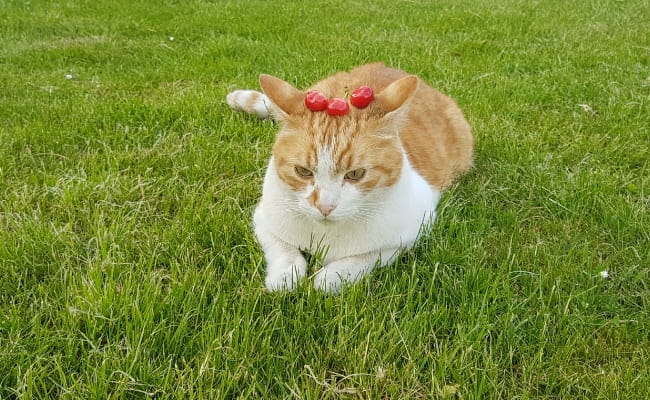
Cats wandering into your yard can quickly become a frustrating problem. They may dig in flower beds, leave waste on lawns, scratch outdoor furniture, or disturb pets and wildlife around your property. While cats are naturally curious animals, repeated visits can create damage and hygiene concerns for homeowners trying to maintain a clean and peaceful outdoor space.
In this guide, we’ll explore practical methods to keep cats away from your yard, explain what attracts them in the first place, and share long-term prevention tips to help you create a more cat-resistant outdoor environment.
How to Keep Cats Out of Your Yard? Top 11 Methods
You now know why cats come. The next step is to stop them. This section lists 10 methods for how to keep stray cats out of your yard. Each one is safe, humane, and easy to try. Cats dislike certain things like water, smells, or barriers. You can use these to your advantage. Below are the top 10 ways to keep them away.
1. Remove Food Sources
Cats come for food. Take it away, and they lose interest. Secure trash cans with tight lids so cats cannot get inside. Bring pet food indoors after feeding. Move bird feeders to high spots where cats cannot climb. Without food, your yard becomes less appealing.
2. Use Water Sprinklers
Cats hate water. Motion-activated sprinklers work well. They turn on when a cat gets close and spray it. The cat runs off, unharmed but startled. Set these up near entry points or gardens. You need a water source, but they are effective.
3. Install Fencing
A good fence stops cats from entering. Build one at least 6 feet tall. Add a roller or angled top so cats cannot climb over. Check for gaps at the bottom, they might squeeze through. Fencing takes effort but gives long-term results.
4. Use Natural Repellents
Cats avoid strong smells. Scatter citrus peels, coffee grounds, or vinegar around your yard. These items are safe and cheap. Place them near plants or walkways that cats use. Reapply after rain since the smells fade over time.
5. Plant Cat-Repelling Plants
Some plants push cats away. Lavender, rosemary, and rue have scents that cats dislike. Plant them along borders or in garden beds. They look nice and act as a natural wall. Water and care for them like other plants.
6. Use Ultrasonic Devices
Ultrasonic devices emit sounds that humans cannot hear and are audible to the cats. The machine is triggered when a cat gets close and produces a high-pitched sound. The cat exits due to a dislike of sound. Locate these in the places that your cats frequent. They are harmless and easily usable.
7. Cover Soil with Mulch or Rocks
Cats produce holes in soft soil. Prevent them by mulching, rocks, or pinecones on top of the soil. Such materials make digging difficult and uncomfortable. Apply them on garden beds or bare ground. Cats will find alternative things to scratch.
8. Use Commercial Cat Repellents
To repel cats, sprays and granules are sold in stores. These products employ the odors or flavors that cats hate. On the ground or in plants, spray them. And read the label and directions. They are quick to work, yet they could be more expensive than natural ones.
9. Create a Designated Cat Area
If you like cats but want control, make a spot for them. Set up a sandbox or plant catnip in one corner. Cats might stay there instead of roaming your whole yard. Keep it away from gardens or seating areas you want to protect.
10. Talk to Your Neighbors
The problem could be because of neighboring cats. Do not talk to them harshly. Discuss the impacts of their cat on your yard. They should keep it indoors or keep it on a leash. Collaboration is the way out without confrontation.
11. Active Patrol with Smart PTZ Security Cameras
Physical barriers often fail because cats are masters of finding "blind spots." To eliminate these gaps, we recommend using a sophisticated PTZ (Pan-Tilt-Zoom) camera like the Reolink TrackMix PoE. Thanks to its motorized base, this camera can pan 355° and tilt 90°, allowing you to remotely scan every corner of your yard where cats might hide.
What sets the TrackMix apart is its Auto-Tracking PTZ function: the moment a cat is detected, the camera’s motors kick in to follow the intruder across your entire property in real-time. Combined with a 6X Hybrid Zoom, it captures crystal-clear details of the cat’s entry points. Instead of a fixed lens that only sees one direction, the TrackMix’s PTZ capability ensures that no matter where a cat enters, the camera will actively turn, lock on, and track its movement until it leaves your yard.
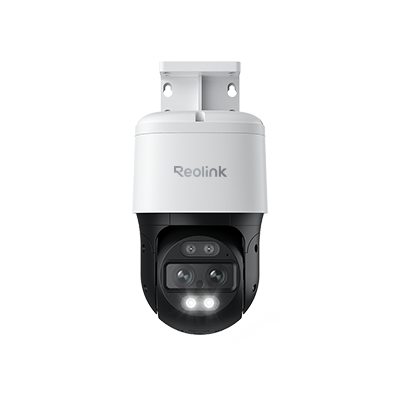
4K Dual-Lens PTZ Camera with Dual Tracking
4K 8MP Ultra HD, Wide & Telephoto Lenses, Pan & Tilt, Auto-Tracking, Person/Vehicle Detection, Power over Ethernet, Two-Way Audio.
Why Do Cats Come into Your Yard?
Cats do not enter yards without a reason. Understanding why they come helps you stop them. They follow instincts and look for specific things. Below are common reasons cats visit your yard:
- Food attracts them: Cats search for something to eat. If you leave trash cans open, they will dig through them. Pet food left outside draws them in, too. Bird feeders also bring cats because they want to catch the birds.
- Shelter pulls them in: Cats like safe, warm spots. They crawl under porches or decks. Sheds and thick bushes give them places to rest or hide from the weather.
- They mark territory: Cats use scent to claim areas. They rub against objects or leave waste to show the space is theirs. Once they mark your yard, they return to check it.
- Mating drives them: Cats that are not spayed or neutered roam to find mates. Your yard might sit along their travel route, so they stop by often.
- Curiosity brings them: Cats explore because they want to know what’s around. A new smell, sound, or object in your yard catches their attention, and they investigate.
What Keeps Cats Out of Your Yard? Quick Comparison
Many tools keep cats away. Each has strengths and weaknesses. This section compares some options so you can decide what fits your yard best.
Is It Legal or Humane to Keep Cats Away from Your Yard?
Yes, you can keep cats out of your yard legally and humanely. You own your property and can protect it. However, you must follow the rules and treat cats kindly. Consider these legal points:
- Local laws matter: Some places let cats roam free. Others require owners to control them. Check your city or county rules to know what applies.
- Hurting cats breaks laws: You cannot injure or kill cats, even strays. Most areas punish this with fines or jail time. Stick to safe methods.
- Talk to owners: If a neighbor’s cat bothers you, ask them to help. They might not know it’s a problem.
What You Shouldn’t Do to Keep Feral Cats Out of Your Yard?
You want the cats out, but certain things get you into trouble. Refrain from the dangerous practices. They torture cats, violate the law, and outrage people. This is what you should not do and why.
- No poison: Poison does not solve the problem; cats and other creatures, such as pets, birds, will die. In most places, it is banned by law. You might pay fines or even to be charged for being caught.
- Do not put traps: Traps hurt cats. In most cases, trapping needs to be accompanied by a permit. Even the legal traps require a professional approach.
- Do not chase or hit cats: It is wrong to hurt cats with something or your hands. Animals are guarded against this through laws. There are chances of being reported by neighbors, which will result in penalties.
FAQs
What smell makes cats stay away?
Cats do not like citrus, vinegar, and coffee grounds. Spray orange or lemon peels in your yard. Spray vinegar, or sprinkle coffee grounds, in trouble areas. These odors scare cats away in a safe way.
How do I stop neighbours cat pooping on my lawn?
Stop this by making your lawn less comfortable. Set up motion sprinklers to scare the cat away. Cover bare spots with rocks or mulch so it cannot dig. Use a repellent spray to keep it off your grass.
Conclusion
Cats in your yard may infuriate you, but there are some solutions. Plants, natural repellents, fences, and water sprinklers can be used to make sure that your yard is free of cats. These techniques also depict the ways of deterring cats, without cruelty. The best results are achieved by the removal of food, denying access, and talking to neighbors. Local laws should always be followed, and no harm should be inflicted.
Did you use such ideas? Post what you tried, or comment below. You may make a difference in the lives of other people.
Search
Subscribe for the Latest Updates
Security insights & offers right into your inbox