
How to Check for a Gas Leak: Step-by-Step Safety Guide
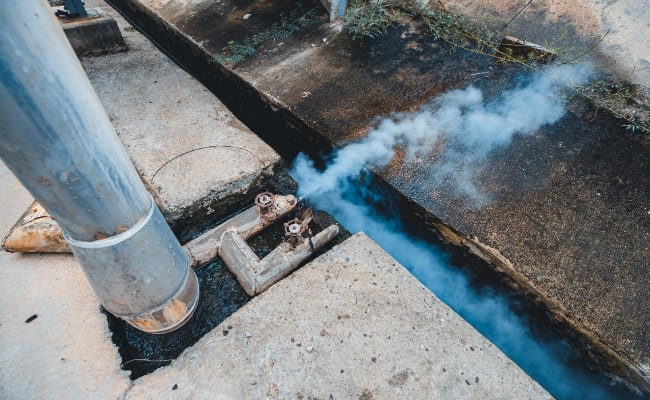
A silent flow of natural gas can turn day-to-day comfort into genuine danger in minutes, yet most houses stay protected with only a little knowledge and a few quick tests.
This guide breaks down exactly what should you use to detect a gas leak, shows how to check for gas leak in house spaces without fancy equipment, and explains why those basic habits safeguard both health and property.
How to Know If There Is a Gas Leak?
- A quick pause here helps. Before any meter reading or soap mixture, a person should recognize the early signs. No gadget beats keen attention. Nothing high-tech, just a bit of awareness.
- Distinct smell of “rotten eggs”. Utility companies add a harmless sulfur-like odor to natural gas. When this faint stench drifts through a kitchen or hallway, treat it as the first clear alarm. Overlooked once, it often returns stronger.
- Hissing or whistling near lines. Gas under pressure slips through cracks and produces a low hiss. Sometimes it sounds like air from a tire, other times softer, almost like a tea kettle trying to start.
- Unexplained headaches or light-headedness. A leak may lower indoor oxygen, leading to dull aches, dizziness, or simple fatigue. Many shrug those symptoms off as a long workday. Still, note repeating patterns; the body keeps score.
- Orange or flickering pilot flames. A healthy gas flame burns steadily blue. Yellow, orange, or dancing tips suggest incomplete combustion and possible leakage nearby.
- Dead houseplants in one area. Strangely, plants act as an early warning system. Wilting leaves close to a pipe—while others thrive across the room—hint that leaking gas starves roots of oxygen.
How to Check for Gas Leak?
Once suspicion rises, move from noticing to confirming. There is a methodical path, and it feels much calmer when laid out in small, clear steps. Start with the least invasive test, move to tools only if needed, and keep each move safe.
1. Use a gas leak detector
Handheld detectors, available at hardware stores, pick up natural gas or propane concentrations within seconds. Hold the device near joints, valves, or flexible connectors. Listen for rapid beeps or watch the digital display. Keep the motion slow; rushing past a joint may miss the plume. Many detectors also read carbon monoxide, offering two layers of protection in one neat package.
2. Soapy water test
Wondering how to check for gas leak with soapy water? Mix a tablespoon of dish soap with a cup of warm water. Dip a cloth or spray bottle, then coat suspected fittings: meter unions, stove connections, even outdoor grill hoses. Wait and watch. Tiny bubbles form where gas pushes through the film. It feels almost childlike—similar to blowing bubbles in the yard—yet it works every time.
3. Use your senses
Smell first, then listen. While high-pitched electronics seem impressive, the nose often wins. The scent additive lingers in pockets and corners. Stand still, breathe gently, and track direction. Next, crouch near low pipes because natural gas, lighter than air, drifts up; propane sinks, so location matters.
4. Bubbles in any wet areas
Exterior leaks show themselves in puddles after rain or near lawn sprinklers. Look for continuous bubbling—small, steady release points in silent water. It feels odd scanning a driveway puddle, yet many field technicians rely on that simple clue. Indoors, check the drip pan under a water heater if any liquid sits there.
5. Check for plants in your house
Earlier, plant health warned of leaks. Now, use the same logic for confirmation. A single unhealthy fern might mean overwatering; several browning leaves clustered along a pipeline mark a stronger pattern. Slide pots away from walls, inspect soil dampness, and sniff the dirt. Sometimes, gas seeps along floorboards and vents through the mix, leaving a unique scent.
6. Monitor gas usage
Smart meters update hourly. Compare last month’s and this month’s daily averages. A sudden 15-percent jump without more laundry loads or extra showers raises alarms. Even older analog dials tell a story. Before bed, record the reading. Touch no gas appliance overnight. Check again at dawn. Any movement means gas escapes somewhere.
7. Check stove or range top
Turn off all burners. Look at the knobs; they should be straight up or locked. Place a thin piece of paper over a burner grate. If it flutters while the house stays still, a faint gas flow could be pushing air. Smell again. Then strike one burner quickly—just once—to catch the flame color. Blue indicates healthy combustion.
What to Do If You Suspect a Gas Leak?
Hear a hiss? Catch that sharp odor? Treat each clue with firm urgency yet calm steps.
- Ventilate at once. Open windows and doors. Fresh air thins gas concentration fast, cutting immediate risk. Even a cold night is safer than trapped fumes.
- Avoid sparks or open flames. Skip light switches, don’t use phones inside, and hold off on lighting candles. A single spark can ignite built-up gas. The habit of flipping a switch on entry needs pretending the switch never existed for a moment.
- Turn off the main gas valve if safe. Locate the meter outside—usually waist-high, gray, with a flat shut-off lever. Grip it with a thick glove and turn ninety degrees, so it sits crosswise to the pipe.
- Leave the building. Pets, family, visitors—guide everyone outside. Stand at a clear distance, well beyond any fumes. A neighbor’s porch or the sidewalk works.
- Call emergency services and the gas company. Use a cell phone only when outside. Report the address, describe the odor, and mention any sounds. Utility crews respond fast; they prefer cautious calls over late calls.
Can Security Cameras Help Detect a Gas Leak?
No, security cameras can't directly detect gas leak. But smart cameras can enhance your home safety. For example, security cameras with audio can pick up unusual sounds, such as hissing or clicking noises near gas appliances—potential signs of a leak. If you install a motion detector camera, it can send you alerts when people enter restricted areas like boiler rooms or utility closets.
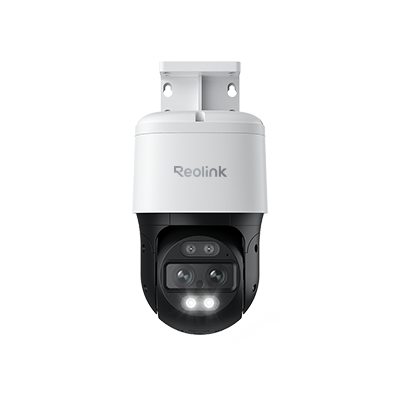
4K Dual-Lens PTZ Camera with Dual Tracking
4K 8MP Ultra HD, Wide & Telephoto Lenses, Pan & Tilt, Auto-Tracking, Person/Vehicle Detection, Power over Ethernet, Two-Way Audio.
How to Prevent Gas Leaks in the Future?
- Prevention costs little compared to repairs or medical bills. These habits weave easily into seasonal chores.
- Schedule annual professional inspections. Licensed plumbers or HVAC specialists test joints, burners, and pilot assemblies. A one-hour visit once a year uncovers slow leaks before they grow.
- Install carbon monoxide and gas detectors. Place them near bedrooms and gas appliances. Test monthly, switch batteries every six months. Detectors never replace attention, but they whistle when senses sleep.
- Keep flexible connector hoses short and untwisted. Stoves and dryers use corrugated lines. Kinks create stress points that crack over time. Leave a gentle curve, not sharp bends.
- Place flammable products far away from gas appliances. On a water-heater shelf lurks an additional danger - of paint thinner or aerosol cans. A well-organized utility room reduces corrosion of the joints since the flow of air remains bubbly.
- Have adequate ventilation. Moisture and fumes are moved out using range hoods, bathroom fans, and small windows in the basement. One good airflow ensures that the gas pockets do not remain unnoticed.
FAQs
How do I test if I have a gas leak?
Begin with sense: smell of the rotten-egg gas, hissing, flame-color. Then test with either the soapy water test or a gas leak detector just to be sure. All these measures demonstrate the process of gas leak condition testing correctly.
How do I find out where my gas is leaking from?
Work methodically along the line. Apply soapy water to each joint, beginning at the appliance and moving back to the meter.
Can a very small gas leak make you sick?
Yes. Concentrations even below that are known to deplete oxygen levels in buildings and hence cause headaches and nausea in the long run. The sensitive groups, such as children, seniors, and pets, are affected earlier.
Will a carbon monoxide detector detect a gas leak?
A majority of the standard carbon monoxide alarms do not sense natural gas. There are a few dual-gas versions; see the label. The safest option is a dedicated natural-gas detector.
Conclusion
Gas flows quietly, powering stoves, heaters, and cozy winter evenings. That same silent partner can turn threatening without warning. Learning how to check for natural gas leak issues, repeating the straightforward how to detect a gas leak methods, and practicing the quick how to check for gas leak with soapy water trick all fit into regular home care.
What other simple habits keep a house secure? Drop thoughts below; everyone benefits when those daily lessons travel from one doorstep to the next.
Search
Subscribe for the Latest Updates
Security insights & offers right into your inbox