
How Do Vape Detectors Work? A Complete Guide for Schools and Businesses
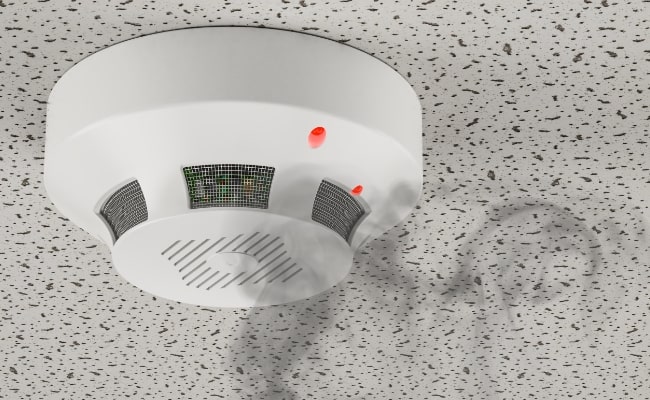
Vaping worries many school principals, office managers, and health officers. They want a clear answer to one basic question: how do vape detectors work, and can these devices really keep their buildings free of vapor and smell? This complete guide explains every part of a vape detector and shows where, why, and how to use one.
What Is a Vape Detector?
A vape detector is a small electronic device that senses the chemical markers and fine particles that come from an e-cigarette or disposable vape pen. The unit looks like a compact smoke detector, but the technology inside targets vapor, not fire.
When the detector finds these markers in the air, it sends an alert to a phone, a building’s security system, or both. The device helps staff stop hidden vaping in places where it is not allowed, such as school restrooms, office washrooms, or locker rooms.
How Do Vape Detectors Work?
A vape detector works by watching for two main clues: airborne particles and trace gases. Each clue has a dedicated sensor. Together, these sensors form a smart fusion system that decides when vaping occurs.
1. Particle sensing
The heart of most devices is a laser-based particle sensor. A small fan draws air through a chamber. A laser beam crosses the chamber, and a light sensor sits opposite the beam. When vapor passes through, its particles scatter the light. The detector counts the hits and measures their size.
2. Gas sensing
Vapor also carries volatile organic compounds (VOCs) such as propylene glycol, vegetable glycerin, and flavor agents. An electrochemical gas sensor tracks these VOC levels. Some models include a specific nicotine sensor, which uses tiny electrodes coated with a film that reacts when nicotine touches it. The reaction creates a small electric current that the circuit can read.
3. Temperature and humidity checks
Quick changes in temperature or moisture can point to a person exhaling warm vapor in a cool, dry room. Many detectors watch the rise in humidity along with particle spikes. The software filters out slow background shifts so that only sharp changes trigger an alert.
4. Data fusion
A control chip or small computer combines the three data streams and runs simple decision rules. For example, the software may decide that an alert needs all three events: a particle burst above set limits, a VOC rise, and a humidity change within a tight time window. This multi-check design cuts down false alarms from hair spray, deodorant, or steam from a hot shower.
5. Alerts and logging
When the detector confirms vaping, it pushes an instant message to an app, a text to a phone, or a signal to a school’s building automation system. Many detectors also record time stamps, sensor values, and event length. A web dashboard lets staff review these logs later. The best systems use wired power and secure Wi-Fi or Ethernet so that alerts never fail.
How Sensitive Are Vape Detectors?
Modern vape detectors can sense aerosol levels as low as 0.03 milligrams per cubic meter—far below what a person can smell. Their gas sensors can track VOC jumps of only a few parts per million. In plain terms, if a student takes one short puff in a restroom stall, the detector on the ceiling will very likely catch it.
Sensitivity settings differ across brands. Most units ship with three levels—low, medium, and high alert. A school might pick “high” for single-stall restrooms and “medium” for a busy locker room, where body spray could cause mild spikes.
Where Are Vape Detectors Installed?
Security teams usually mount a detector high on the wall or on the ceiling, well away from vents that could blow air past the sensor too fast. Many installers place one detector for every 100 to 150 square feet of floor area if the ceiling is under 12 feet. For tall atria, extra units may be needed.
Below are the most common places to deploy vape detectors. These spots offer privacy and often lack security cameras, which is why students and staff feel safe to vape there.
Restrooms
Restrooms top the list because they provide both privacy and good air flow for vapor to spread. A single unit near the center of the ceiling can protect a four-stall restroom. Large multi-user washrooms may need two units—one near the sinks and one near the stalls.
School hallways
School corridors sometimes turn into hidden vaping spots during class change. Placing vape detectors for schools, how do they work in a hallway, requires good planning. The sensor must stand at least six feet away from external doors to avoid drafts. One detector about every 40 to 50 feet usually covers a hallway with a normal ceiling height.
Locker rooms
Locker rooms hold steam from showers, strong deodorant, and open drinks, which all raise humidity. Detectors use their combined particle-gas logic to ignore those normal spikes and still catch the fine particles unique to vapor. Mount them near exits to prevent students from vaping while walking out.
Offices and enclosed public spaces
Human resources teams place detectors in indoor smoking areas, company break rooms, and shared office washrooms. Some businesses mount them in small server rooms to protect sensitive hardware from sticky residue. In shared public spaces, labels on the wall or ceiling help warn patrons that the area is under vape monitoring.
How Well Do Vape Detectors Work?
Schools, gyms, and offices report strong results after a full roll-out. Most see a drop in complaints of vapor smell within the first month. Below are the major gains that show how well these devices work in daily use.
- Early event detection: The detector finds a vapor burst within two or three seconds. Staff can respond while the person is still in the room, which stops repeated abuse.
- High accuracy: Particle-gas fusion keeps false alarms below five percent in clean restrooms and under ten percent in crowded locker rooms. This means staff will trust the alerts and take real action.
- Real-time alerts on any device: Administrators get a text or push message the moment the detector triggers. They no longer rely on random patrols or student reports.
- Evidence and trend tracking: Time-stamped logs show how often and where vaping happens. This data helps principals adjust supervision schedules, add counseling, or set stricter rules in trouble spots.
- Deterrence through visibility: A clear detector on the ceiling, plus a policy sign on the door, cuts the urge to vape in that space. Students and employees soon learn that “you can’t hide.”
How to Tell If There Are Vape Detectors?
A person who tries to vape in a no-smoking zone may wonder if a detector is present. Staff, on the other hand, may need to check whether contractors installed every planned unit. Use the tips below.
- Look for small white or gray discs on the ceiling: Most vape detectors resemble a smoke alarm but have no blinking red light. They sit flush against the surface and often show a tiny vent pattern.
- Check for a silent metal box on the wall: Some high-end sensors mount on walls instead of ceilings. They feature a slim metal shell with a single pinhole for air intake.
- Notice wired power lines or cable raceways: Unlike battery smoke alarms, vape detectors often need constant power and data links. A narrow cable channel leading to the unit is a clear sign.
- Search for posted policy signs: Schools and offices that add detectors often hang new “No vaping. Area monitored” decals near the door. These signs serve as a legal notice and warn users.
- Listen for staff radios during sudden walk-ins: When a detector trips, security guards may speak on radios at once and rush in. If this happens soon after someone steps inside, the room likely has a sensor.
Can Vape Detectors Work with Security Cameras?
While vape detectors monitor air quality to detect vapor particles, they don't provide visual confirmation of who is vaping. That’s where IP security cameras work.
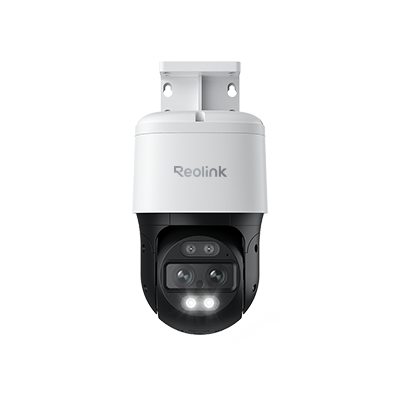
4K Dual-Lens PTZ Camera with Dual Tracking
4K 8MP Ultra HD, Wide & Telephoto Lenses, Pan & Tilt, Auto-Tracking, Person/Vehicle Detection, Power over Ethernet, Two-Way Audio.
Many schools, offices, and public places install security cameras near vape detection devices to enhance monitoring. When used together: vape detectors can trigger alerts when vapor is detected. Users can checkl security cameras for visual evidence to identify who was in the area at the time.
However, due to privacy concerns, cameras are typically placed outside restrooms or in hallways, not inside private areas where detectors may still be installed.
FAQs
What triggers a vape detector?
A vape detector triggers when its sensors spot a fast rise in tiny particles and VOC gases that match e-cig vapor. A short humidity jump often backs up the decision.
What does a vape detector do when it goes off?
The detector sounds a soft local beep, flashes an LED, and sends an instant alert by app, text, or security panel. Some units are linked to CCTV systems to mark the event time.
How far can a vape detector detect?
Most detectors can spot a single puff within a 10- to 12-foot radius in still air. In a closed restroom, one unit can cover the whole room if the ceiling is under ten feet.
Conclusion
Vape detectors give schools and businesses a direct tool to fight indoor vaping. They use laser particle counts, gas sensors, and quick alerts to spot vapor in seconds. When placed in restrooms, hallways, locker rooms, and offices, they bring real results, cut false alarms, and keep the air clear.
Now you know how do vape detectors work and why they help protect health and the rules. Do you have thoughts on installing these devices in your own building? Share your views and join the conversation.
Search
Subscribe for the Latest Updates
Security insights & offers right into your inbox