
Fixed Lens Camera Guide: Features, Benefits, and Use Cases
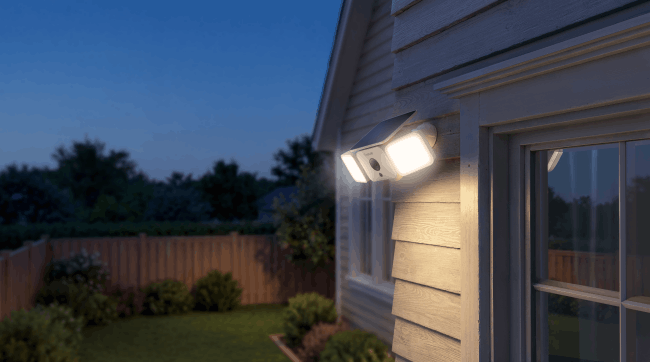
Fixed-lens cameras offer a reliable, streamlined experience for both photography and videography. Because the lens is permanently built into the body, these cameras deliver consistent performance across a variety of shooting scenarios. This guide explores their key features, benefits, and practical use cases to help you find the perfect fixed-lens camera for your needs.
What Is a Fixed Lens Camera?
A fixed lens camera uses a lens with one fixed focal length in it. The camera cannot zoom in or out during its normal operation and use. It captures everything in one specific area of view from the start.
Users pick this type of camera for its simplicity and easy daily operation. The design has no moving lens parts which makes it very reliable over time. This setup leads to clear and sharp results in the chosen area always.
Common Fixed Lens Sizes and What They Mean?
Fixed lens cameras come with different lens sizes that affect the area they cover. The size of the lens measured in millimeters decides the field of view. You select the size based on the space you want to watch or photograph.
Why Choose Fixed-Lens Cameras?
Fixed-lens cameras offer a powerful blend of simplicity, reliability, and value. By eliminating the mechanical complexity of zoom mechanisms, these cameras deliver consistent, high-tier performance without the added cost or fragile components of variable-lens systems. Whether used for daily photography or 24/7 security surveillance, their straightforward design offers distinct advantages.
1. Superior Image Sharpness
Because the internal glass elements remain completely stationary, light travels along an optimized, direct path to the sensor. This structural stability eliminates the micro-shifts and edge-blurring common in zoom lenses.
-
Edge-to-Edge Clarity: Every frame delivers uniform sharpness from the center to the very corners.
-
Critical Detail Capture: Enhanced clarity makes it much easier to resolve fine textures in photographs or crucial details—like faces and license plates—in security footage.
-
Reliable Focus: Fewer moving parts mean the camera locks onto its target focus quickly and holds it without drifting.
2. High Cost-Efficiency
Manufacturing a lens without complex motorized zoom gears drastically reduces production costs—savings that are passed directly to you.
-
Lower Upfront Investment: Fixed-lens models are significantly more budget-friendly than their motorized or varifocal counterparts.
-
Affordable Scaling: The lower price point makes it cost-effective for families, small offices, or businesses to purchase multiple units for comprehensive coverage.
-
Minimal Maintenance: With fewer components prone to wear and tear, long-term upkeep costs remain incredibly low.
3. Exceptional Durability and Lifespan
In the world of hardware, fewer moving parts mean fewer points of failure. Fixed-lens cameras are built to endure continuous, long-term operation in demanding environments.
-
Immunity to Motor Failure: You never have to worry about a zoom or autofocus motor burning out mid-use.
-
Environmental Resistance: The sealed, static design naturally keeps out dust, moisture, and debris. When paired with proper weather-sealing, outdoor models easily withstand severe rain, wind, and heat.
-
Longer Replacement Cycles: Exceptional durability translates to fewer service calls and years of dependable, 24/7 operation.
4. Optimized Low-Light Performance
Zoom lenses often require complex groups of glass that inherently block or scatter a small percentage of incoming light. Fixed lenses feature simpler, more efficient optical paths that maximize light transmission.
-
Brighter Images in the Dark: The optimized optics allow more ambient light to reach the sensor, resulting in cleaner, less grainy footage in dim environments.
-
Surveillance-Ready Night Vision: They pair perfectly with built-in Infrared (IR) illuminators, ensuring crisp, usable black-and-white recording even in total darkness.
How to Choose the Best Fixed Lens Camera?
You want the best fixed lens camera for your specific situation. Several key factors help you make the right decision in the end. Think about your needs before you buy any model on the market.
Consider Field of View
Field of view tells you how much the camera can see at once. A wide field covers large areas in the view. A narrow field focuses on smaller spots with more detail.
Measure the width and depth of the area you plan to monitor. Choose a lens that matches those measurements closely for best results. Test different options if you can to see the actual coverage.
Resolution (1080p vs 4K)
Resolution affects how clear the images look on screen. 1080p gives good quality for most home uses and needs. 4K provides even more detail and works well for larger spaces.
Higher resolution uses more storage space on your devices. It also needs more bandwidth if you view the feed online. Pick 1080p for basic needs in your daily monitoring.
Night Vision and Smart Features
Night vision lets the camera see in the dark conditions. Look for models with strong infrared lights for black and white images. Some offer color night vision with extra lights for better view.
Smart features include motion alerts and phone notifications for convenience. These add convenience to your security setup in daily life. Choose cameras that connect easily to your phone or computer system.
Indoor vs Outdoor Use
Indoor cameras work in dry and controlled spaces inside buildings. Outdoor cameras need protection from rain dust and extreme temperatures. Check the weatherproof rating on the box before you buy.
Outdoor models often come with stronger builds for the weather. They stand up to weather changes without any performance loss. Make sure the camera you pick matches the place where you will install it.
Fixed Lens vs Varifocal Lens Cameras: What's the Difference?
Fixed-lens and varifocal-lens cameras serve fundamentally different operational needs. A fixed-lens camera maintains a permanent, unalterable field of view from the moment it is built. In contrast, a varifocal-lens camera features an adjustable focal length, allowing you to customize the field of view and zoom level during or after installation.
The table below breaks down the key differences between these two camera types:
Are There Fixed-Lens Security Cameras?
Absolutely. In fact, fixed-lens models make up the vast majority of the security camera market for both residential and commercial properties. Because most surveillance requires consistent, uninterrupted monitoring of specific zones, a "set-and-forget" fixed lens is often the most practical and cost-effective solution available.
Best Use Cases for Fixed-Lens Security Cameras
Fixed-lens security cameras excel anywhere you need reliable, continuous coverage of a designated area. The most common deployments include:
-
Entrances and Access Points: Placing a camera directly above doorways, gates, or reception desks ensures you capture crisp, uncompromised facial details of everyone entering or exiting the property.
-
Perimeter and Yard Surveillance: Homeowners frequently position wide-angle fixed cameras along backyards, side pathways, and driveways to eliminate blind spots and deter trespassers.
-
Storefronts and Cash Wraps: Retail businesses rely on them to monitor high-traffic areas, cash registers, and inventory aisles. The unchanging field of view ensures critical transactions are always recorded without the risk of a camera being zoomed into the wrong spot.
-
Parking Lots and Driveways: A fixed camera with a wide field of view (such as a 2.8mm lens) can easily monitor large outdoor areas, tracking vehicle movement and recording license plates across multiple parking stalls simultaneously.
Recommended Reolink Fixed-Lens Models
Reolink is a market leader in residential and commercial security, offering an impressive lineup of fixed-lens cameras tailored to different deployment needs. By utilizing a "set-and-forget" fixed architecture, these cameras deliver crisp 4K imagery, on-device AI detection, and smart home integration without monthly subscription fees.
Depending on your specific installation layout, three standout fixed-lens models offer top-tier performance:
1. Best for True Night Vision: Reolink CX810 (4K PoE)
If your primary goal is capturing crisp, full-color footage at midnight without relying on harsh, blinding spotlights, the CX810 is the premier choice.
- The Fixed Advantage: It features a massive 1/1.8'' image sensor paired with an ultra-wide F1.0 super aperture.
Powered by Reolink’s ColorX technology, it absorbs minimal ambient light to produce daylight-bright, full-color 4K video in near-total darkness, significantly reducing the motion blur common in standard night vision.
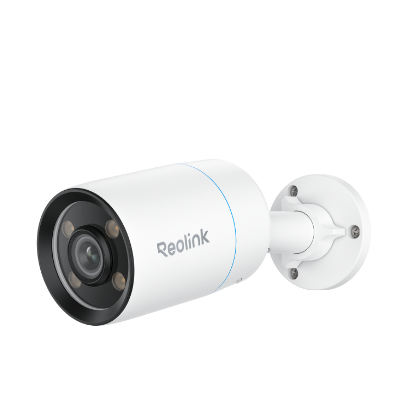
4K PoE ColorX Night Vision Camera
4K Ultra HD with HDR Tech; F1.0 Super Aperture; ColorX True Full Color Night Vision; 3000K Adjustable Warm Light; Advanced 1/1.8'' Sensor
2. Best for Maximum Coverage: Reolink Duo 3 PoE (16MP Panorama)
For monitoring expansive environments like parking lots, large backyards, or wide storefronts, the Duo 3 PoE replaces the need for multiple independent cameras.
- The Fixed Advantage: It utilizes a dual-lens fixed array built onto a single circuit board.
The camera's internal processor seamlessly stitches the two video feeds together in real time. This delivers a massive, 180-degree panoramic view in stunning 16MP Ultra HD, eliminating blind spots completely across a wide horizontal plane.
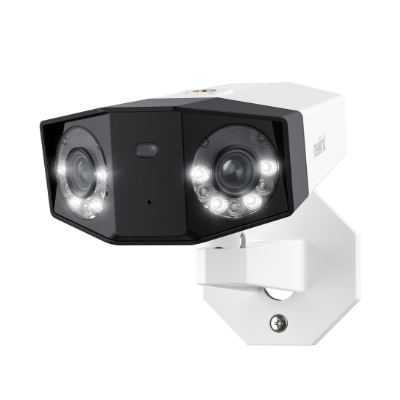
Breakthrough 16MP Dual-Lens 180° PoE Camera
- 16MP UHD dual-lens with 180° panoramic view
- Color night vision for low-light surveillance
3. Best Wireless/Wire-Free Option: Reolink Argus 4 Pro (4K Wi-Fi)
If running Ethernet cables through your walls isn't an option, the Argus 4 Pro delivers premium fixed surveillance completely wire-free.
- The Fixed Advantage: A dual-lens, battery-powered panoramic camera designed for quick exterior or interior mounting.
It offers a 180-degree blindspot-free field of view in 4K UHD, utilizes dual-band Wi-Fi 6 for lag-free streaming, and pairs seamlessly with a Reolink Solar Panel for continuous, self-sustaining power.
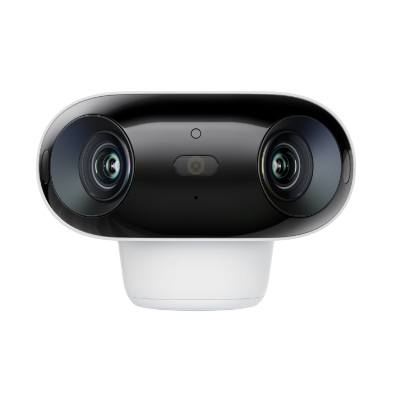
4k 180° Wire-free Color Night Vision Camera
4K UHD 180° Blindspot-free View; Color Vision Day and Night; 30% More Battery Life; Dual-band Wi-Fi 6; Smart detection.
FAQs
Is a Fixed Lens Better?
A fixed lens works better in situations where you do not need to zoom. It gives sharp and consistent results in the fixed area. People who monitor one area often prefer fixed lens cameras. They prefer them for their reliability and lower price point.
What Is the Best Fixed Lens Camera?
The best fixed lens camera depends on your specific needs and budget. Look at resolution field of view and features like night vision. Compare several models and read user reviews for the best match. Find one that matches your setup and personal requirements.
What Is the Difference Between Fixed and Variable Camera Lenses?
Fixed camera lenses stay at one focal length all the time. Variable or varifocal lenses let you change the zoom level. Fixed lenses cost less and stay sharper than other types. Variable lenses offer more flexibility for changing views in use.
Why Do Fixed Lenses Take Better Pictures?
Fixed lenses take better pictures in many cases than other lenses. They have fewer moving parts in their simple design. The design focuses light directly onto the sensor without loss. This process results in less distortion and higher overall sharpness.
Conclusion
Fixed lens cameras bring reliable performance and clear images to many applications. They help users monitor spaces effectively without extra cost or complexity. Consider the features and benefits in this guide when you look for options.
What are your thoughts on fixed lens cameras after reading this guide today? Share your experiences in the comments below for others to see and learn.
Search
Subscribe for the Latest Updates
Security insights & offers right into your inbox