
Best Chicken Coop Cameras for Farm & Backyard Flock Security
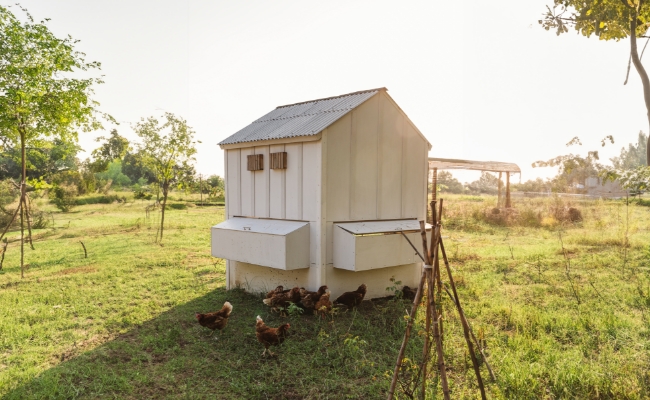
Installing a security camera in a chicken coop provides round-the-clock peace of mind by protecting your flock against nocturnal predators, confirming automatic coop doors close at dusk, and letting you monitor egg laying or sick birds without stepping outside.
However, off-grid coops present real challenges—from weak Wi-Fi signals and lack of electrical outlets to harsh weather and nighttime IR lights that can disrupt roosting chickens. The right setup depends heavily on your coop's location, whether you need battery solar power, cellular connectivity, or dust-resistant housing.
This guide breaks down why dedicated coop monitoring matters, key features to look for—such as no-glow night vision and long-range connectivity—and top-rated camera models built to handle real farm conditions.
- Why Need a Security Camera for Chicken Coop?
- What Are Common Types of Chicken Coop Cameras?
- 5 Key Features to Look for in the Best Chicken Coop Camera
- 3 Best Chicken Coop Cameras for Different Setups
- Installation and Setup Tips for Chicken Coop Cameras to Maximize Performance
- What Users Say About Chicken Coop Cameras?
- Buyer's Decision Table
- FAQs
- Conclusion
Why Need a Security Camera for Chicken Coop?
Installing a dedicated camera inside and around your chicken coop solves critical flock management challenges—from stopping nocturnal predators to spotting sick birds before infections spread.
1. Real-Time Predator Detection & Threat Prevention
A coop camera detects approaching predators like raccoons, foxes, or stray dogs and triggers real-time phone alerts so you can intervene before harm occurs.
-
Instant Motion Alerts: Smart motion detection flags unauthorized movement around the coop perimeter, allowing you to check live video immediately.
-
Deterrence & Action: Receiving instant notification gives you time to turn on floodlights, sound a two-way audio siren, or physically secure the coop run during an active threat.
2. Early Health & Behavioral Monitoring
Continuous video monitoring helps you identify lethargy, pecking order bullying, or early signs of illness in individual birds.
-
Spotting Illness Early: Chickens naturally hide weakness; reviewing live feeds or daily playback allows you to catch symptoms like limping or respiratory distress early.
-
Time-Lapse Efficiency: Rather than sitting through hours of static footage, using a time-lapse feature condenses a full day of flock activity into a quick 1- to 2-minute video overview.
3. Tracking Egg Production & Nesting Habits
Monitoring nesting boxes remotely lets you time egg collection perfectly and verify which hens are actively laying.
-
Optimized Egg Harvesting: Check nesting boxes on your phone before walking out to the coop, preventing unnecessary disturbance to roosting hens.
-
Broody Hen & Behavior Management: Identify broody hens taking over nesting boxes early, track laying frequency, and verify that your automatic coop door has safely enclosed all birds for the night.
What Are Common Types of Chicken Coop Cameras?
Chicken coop cameras are primarily categorized by how they connect to the internet and receive power. Understanding these functional differences helps you choose the right setup based on your coop’s distance from your home and router.
Battery-powered WiFi Camera
A battery-powered Wi-Fi camera connects wirelessly to your home network and operates on a rechargeable battery, which can often be paired with a small solar panel for continuous power. Because this type requires no electrical or network wiring, it offers flexible placement and easy installation for standard backyard coops within Wi-Fi range.
4G LTE Cellular Camera
A 4G LTE cellular camera uses a cellular data plan rather than Wi-Fi to transmit live video and motion alerts to your phone. Typically paired with a solar panel, this camera type is the ideal solution for off-grid or remote coops located far beyond the reach of a home internet signal.
Wired PoE Camera
A Power over Ethernet (PoE) camera relies on a single Ethernet cable connected to a router or Network Video Recorder (NVR) to transmit both data and power. This wired setup provides the most stable, interference-free connection for 24/7 continuous recording, making it well-suited for coops positioned close to the main house or barn.
5 Key Features to Look for in the Best Chicken Coop Camera
Selecting the best security camera for your chicken coop requires balancing video clarity, nighttime performance, and physical environment constraints like power and internet availability. Below are five essential features to consider before buying.
1. High Resolution (2K to 4K Ultra HD)
A 4K (8MP) resolution camera delivers crystal-clear detail, allowing you to zoom in to inspect individual feathers, leg bands, or egg conditions without blurriness.
-
1080p / 2K: Suitable for small, enclosed coops where general monitoring is all that is required.
-
4K (8MP): Essential for wide outdoor runs or large coops, giving you the pixel density needed to read leg tags, spot subtle signs of injury, and identify distant predators.
2. No-Glow Infrared Night Vision
Infrared (IR) night vision is crucial for nocturnal monitoring because it captures clear black-and-white video in complete darkness without disrupting roosting birds.
-
Infrared (IR) Night Vision: Operates silently in the dark using invisible infrared light, preserving the flock's natural sleep cycle.
-
Color Night Vision (Spotlights): Uses built-in motion-activated spotlights to record full-color video. While helpful for scaring off predators around the outer fence, spotlight night vision should be used sparingly inside the coop to avoid disturbing resting chickens.
3. Smart AI Person and Motion Detection
Advanced AI detection filters out false alerts caused by fluttering birds, insects, or blowing straw—notifying you only when a true threat appears.
-
Basic PIR Motion Sensors: Detect heat and physical movement, but can trigger dozens of unnecessary notifications from normal flock activity inside the coop.
-
AI Person & Animal Detection: Distinguishes human intruders, vehicles, and predatory animals from routine chicken movement, ensuring you receive only urgent, high-value alerts.
4. Reliable Power and Network Connectivity
Choose your camera's power and connectivity type based on how close your coop is to your house, router, and electrical outlets.
-
Power over Ethernet (PoE): Uses a single cable for both data and power, providing the most stable connection for coops located near the main home.
-
Wi-Fi 6 & Solar Power: Ideal for backyard coops with nearby Wi-Fi coverage; pairing a battery camera with a solar panel eliminates manual recharging.
-
4G LTE Cellular: The best option for off-grid or remote coops beyond Wi-Fi range, using a cellular data plan to transmit live video anywhere.
5. Seamless Remote Access and Two-Way Audio
Remote mobile access allows you to check live video, review recorded playback, and use two-way audio to deter predators from anywhere using your smartphone.
-
Live Monitoring & Playback: Provides peace of mind while traveling or at work by letting you verify coop door status and egg production on demand.
-
Two-Way Audio Siren: Features a built-in speaker and microphone so you can talk to visitors or trigger a manual siren to scare away approaching wildlife.
3 Best Chicken Coop Cameras for Different Setups
Choosing the right chicken coop camera depends on your coop's specific layout and environmental challenges—whether you face weak Wi-Fi signals in a remote field, need continuous monitoring inside a dark nesting area, or lack electrical wiring entirely. Below are top recommendations tailored to solve specific pain points.
1. Best Wi-Fi Camera for Off-Grid Coop Monitoring: Reolink Altas PT Ultra
Your coop has Wi-Fi coverage from the main house, but running an electrical extension cord is impossible or dangerous. You need continuous coverage without constant battery swaps.
The Reolink Altas PT Ultra solves off-grid power anxiety with a massive 20,000mAh battery that supports continuous recording or up to 16 months in motion-detection mode on a single charge.
Featuring Wi-Fi 6 connectivity and 4K Ultra HD resolution, it uses ColorX night vision to capture full-color footage in low light without harsh spotlights that disrupt roosting hens. Its pan-and-tilt capability allows you to rotate the lens remotely to inspect every corner of the coop and nesting boxes.
-
Pros: 4K video clarity, continuous battery recording capability, pan-tilt 360° coverage, supports up to 512GB microSD cards.
-
Cons: Non-removable battery.
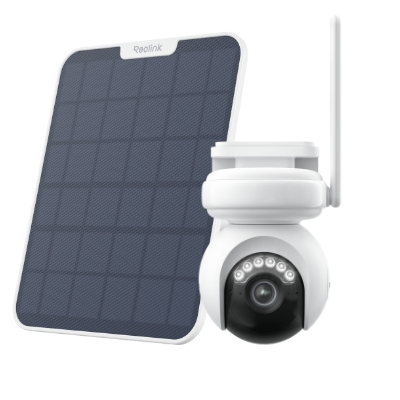
4K Battery-Powered PTZ Camera with Continuous Recording
👍 4K UHD video with continuous recording
👍 ColorX night vision in low light
👍 Pan, tilt, and automatic person tracking
👍 Local storage without monthly fees
2. Best Wired Outdoor Camera for Perimeter Defense: Reolink CX810
Nighttime predators like raccoons or foxes prowl around the coop perimeter in complete darkness, and battery cameras miss fast-moving action or require frequent recharging in heavy motion areas.
The Reolink CX810 is a heavy-duty, IP66-rated PoE camera designed for continuous outdoor perimeter surveillance. Powered through a single Ethernet cable, it eliminates Wi-Fi dropouts and battery maintenance altogether.
Equipped with 4K 8MP resolution and ColorX night vision, its large f/1.0 aperture captures vivid, true-color video in near-total darkness without needing bright white spotlights. Smart AI sensors instantly detect approaching predators or human trespassers and send real-time alerts to your phone.
-
Pros: Exceptional low-light performance without bright spotlights, 4K resolution at 25fps for fluid video, H.265 compression saves local storage space.
-
Cons: Requires running an Ethernet cable to the coop location.
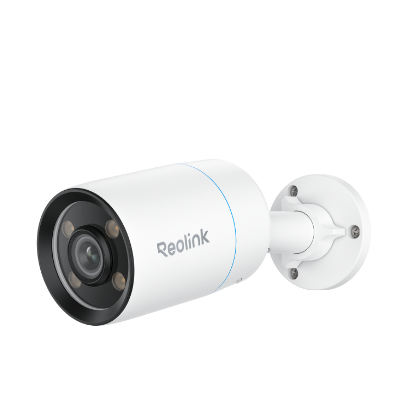
4K PoE ColorX Night Vision Camera
4K Ultra HD with HDR Tech; F1.0 Super Aperture; ColorX True Full Color Night Vision; 3000K Adjustable Warm Light; Advanced 1/1.8'' Sensor
3. Best Cellular Camera for Remote Coops without Wi-Fi: Reolink Go Ranger PT
Your coop or pasture run is located far out on your property beyond the reach of home Wi-Fi and power outlets, leaving your flock completely unprotected.
The Reolink Go Ranger PT is a 4G LTE cellular, solar-powered camera built for totally off-grid environments. It operates over cellular networks without needing Wi-Fi or electrical wiring.
Featuring 4K resolution and a motorized 360° coverage, it lets you inspect both the coop interior and the outdoor run remotely from anywhere. Crucially for chicken owners, it utilizes 940nm no-glow IR night vision, which illuminates dark coops without emitting visible red light or disrupting your birds' natural sleep cycles.
-
Pros: Operates anywhere via 4G LTE, solar panel provides continuous power, 940nm no-glow night vision protects bird sleep, rapid 0.5-second alert speed.
-
Cons: Does not support full-color night vision (IR only).
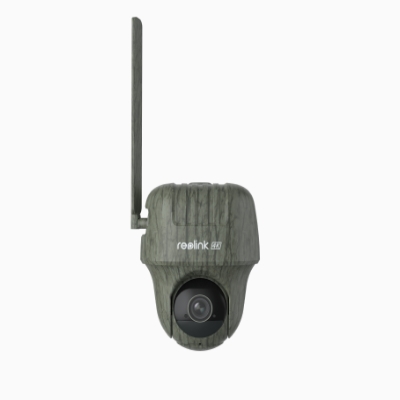
4K 4G LTE Wildlife Camera with 360° All-Around View
4G LTE Network, 4K 8MP Ultra HD, No-Glow IR LEDs, Person Detection, Animal Detection, Two-Way Audio, Battery/Solar Powered.
Installation and Setup Tips for Chicken Coop Cameras to Maximize Performance
Proper placement and network configuration ensure your chicken coop camera delivers reliable 24/7 monitoring while withstanding harsh farm conditions like dust, moisture, and extreme seasonal temperatures. Below are essential tips to optimize your setup based on specific flock and coop conditions.
1. Optimize Camera Mounting & Field of View
Mount cameras high enough to avoid dust buildup and pecking, while angling the lens to eliminate blind spots around roosts, nesting boxes, and automatic doors.
-
Coop Interior (Roosting & Nesting Areas): Position the camera high in a corner (6 to 7 feet up) angled downward. This keeps the lens clear of airborne dust and feather dander while preventing curious birds from pecking or roosting on the housing. Ensure the field of view covers nesting boxes, food stations, and the internal door frame.
-
Outdoor Run & Perimeter: Mount outdoor cameras under roof eaves or soffits at a height of 8 to 10 feet to capture broad entry points where nocturnal predators (like raccoons, foxes, or coyotes) typically dig or climb. Clear away overhanging branches or wire mesh that could block infrared light or trigger false motion alerts.
2. Tailor Night Vision to Flock Roosting Behavior
Use invisible IR night vision inside the roosting coop to avoid disrupting your flock's natural sleep cycle.
-
Inside the Coop: Chickens have sensitive vision and require complete dark-period cycles for proper egg production and low stress. Avoid using motion-activated white spotlights or 850nm IR LEDs (which emit a faint red glow) inside the sleeping area. Opt for no-glow infrared LEDs to monitor roosting birds without causing night frights or feather-plucking behavior.
-
Outside the Run: Motion-activated white spotlights are ideal for external perimeters, serving as an active visual deterrent to startle approaching predators before they reach the fence.
3. Ensure Continuous Solar Power & Climate Protection
Position solar panels for maximum direct sunlight and protect power cable connections from animal chewing and weather exposure.
-
Solar Panel Placement: Mount the solar panel facing south (or equator-facing) at a 30° to 45° tilt to maximize year-round solar intake. Ensure tree canopies, barn roofs, or seasonal snow accumulation do not shade the panel during peak daylight hours.
-
Cable Protection: Chickens, rodents, and livestock will peck or chew exposed wiring. Enclose all power and Ethernet cables in flexible PVC conduit or run them securely along wooden studs out of reach. Apply silicone grease to outdoor plug connectors to prevent moisture corrosion.
4. Optimize Connectivity and Network Security
Test signal strength at the coop site before permanent installation, and secure device credentials to protect your network.
-
Wi-Fi Range & Wi-Fi 6: Coops constructed from metal sheeting, thick timber, or chicken wire can heavily degrade wireless signals. Use a Wi-Fi 6 camera or install an outdoor Wi-Fi extender to ensure steady 1080p/4K video streaming without frame drops.
-
Cellular Data Alternatives: If your coop sits more than 150 feet from your home router, opt for a 4G LTE cellular camera to bypass Wi-Fi range limitations entirely.
-
Device Hardening: Always change default admin passwords upon initialization, enable two-factor authentication (2FA) in the mobile app, and update firmware regularly to prevent unauthorized access.
5. Centralize Local Storage for Multi-Camera Coops
Pair multiple cameras with a Network Video Recorder (NVR) or Home Hub to store continuous 24/7 footage locally without ongoing subscription fees.
- Local NVR Recording: If you operate separate cameras for the indoor coop, outdoor run, and pasture perimeter, connect them to a central NVR or HomeHub. High-capacity hard drives (such as 2TB to 16TB) allow you to archive months of continuous recording, making it easy to review historical events like egg-stealing incidents or predator attempts.
What Users Say About Chicken Coop Cameras?
Analyzing real-world discussions in homesteading communities like r/chickens and r/BackYardChickens reveals distinct practical observations and preferences from backyard chicken keepers:
What Works: Solar Power, Pan-Tilt Views, and Off-Grid Flexibility
-
Solar & Battery Combinations: Chicken keepers frequently report that running mains power to a coop—especially ones far out in a pasture or backyard—is either too expensive or hazardous. Solar-powered battery cameras are usually perferred as the most convenient, zero-maintenance setup for off-grid coops.
-
Pan-Tilt Coverage for Nesting Boxes & Roosts: Users strongly prefer Pan-Tilt (PT) cameras over fixed lenses. Being able to rotate the lens remotely allows keepers to check multiple nesting boxes during egg-laying hours, verify every hen is on the roost at dusk, and inspect the coop floor without needing multiple physical cameras.
-
4G Cellular for Remote Pastures: For larger properties where Wi-Fi drops out midway across the yard, cellular-connected cameras are considered a game-changer, allowing owners to keep live tabs on their flock without installing complex Wi-Fi extenders.
Common Problems: Dust, Spiders, and Night Vision
-
Dust buildup: Chicken dander and bedding dust can coat the lens, reduce image clarity, and trigger false motion alerts. Regular cleaning helps.
-
Spider webs and IR glare: Spiders may build webs near infrared LEDs. At night, the IR light can reflect off the webs, causing glare and false alerts.
-
Visible IR lights: Bright spotlights or 850nm IR LEDs can disturb roosting birds and may lead to pecking or night frights.
Buyer's Decision Table
To help bring further clarity to what’s best for your setup, here is a final decision table to make it easier for you to compare choices with confidence:
FAQs
Should I put a camera in my chicken coop?
Yes, a chicken coop camera can help you monitor your flock’s health, behavior, and safety remotely. It allows you to check for signs of illness, track unusual activity, and receive alerts when motion is detected. A weather-resistant camera with night vision is especially useful for protecting chickens from predators.
What is the best camera for a chicken coop?
The best camera for a chicken coop should have clear video, night vision, motion detection, weather resistance, and reliable storage options. Wireless or solar-powered cameras are popular choices because they are easier to install near outdoor coops without running cables. For 24/7 monitoring, choose a camera with local storage or continuous recording support.
Is it bad to leave a light on all night for chickens?
Yes, leaving a light on all night is generally not recommended for chickens. Chickens need darkness to rest and maintain a healthy sleep cycle. Instead of using constant lighting, choose a camera with infrared night vision or low-light color night vision to monitor the coop without disturbing the birds.
Conclusion
Installing cameras inside and outside your chicken coop helps you monitor your flock’s health, behavior, and safety from anywhere. The right coop camera can provide real-time alerts, deter predators and intruders, and give you peace of mind. When choosing a chicken coop camera, consider factors like night vision, weather resistance, motion detection, and storage options — or choose from our recommended picks to find the right fit faster.
Search
Subscribe for the Latest Updates
Security insights & offers right into your inbox