
Can License Plate Readers Track Your Car? ALPR Explained
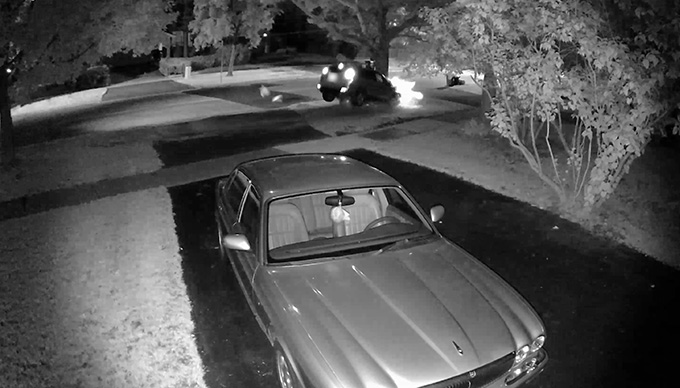
License plate readers are widely used by law enforcement, parking operators, businesses, and private communities to identify vehicles as they pass monitored locations. These systems automatically capture license plates and store related details such as the time, location, and vehicle image.
Because multiple detections can be combined into a travel history, many drivers wonder whether license plate readers can actually track a car. The answer depends on what “track” means: ALPR systems can show where a vehicle has been detected, but they do not normally provide continuous GPS-style location data.
This article explains how license plate readers work, what information they collect, how vehicle sightings can be linked over time, and what this means for privacy, law enforcement, and everyday drivers.
Key Takeaways:
- License plate readers track vehicle sightings, not usually a car's continuous GPS location.
- Each ALPR detection can associate a plate with a time and camera location.
- Multiple cameras can create a searchable history showing where a vehicle has been detected.
- Connected ALPR systems can generate near-real-time alerts when selected plates are detected.
- Data retention, access, and sharing rules vary by operator and jurisdiction.
- A security camera that captures a readable plate is not automatically an ALPR system.
- What Is a License Plate Reader?
- Can License Plate Readers Track Your Car?
- How Do License Plate Readers Track Vehicles?
- License Plate Reader vs GPS Tracking
- Who Uses License Plate Readers?
- How Long Is License Plate Reader Data Stored?
- Can Police Track Your Car Using License Plate Readers?
- Can Private License Plate Readers Track Your Car?
- Are License Plate Readers Legal in the U.S.?
- Can You Tell If a License Plate Reader Has Scanned Your Car?
- Can a Regular Security Camera Track License Plates?
- License Plate Reader vs Security Camera
- Reolink Cameras for Vehicle Monitoring
- Can You Prevent a License Plate Reader From Tracking Your Car?
- FAQs
- Conclusion
What Is a License Plate Reader?
LPR can refer to license plate recognition or a license plate reader, while ALPR commonly refers to automated license plate recognition or automated license plate reader systems. Both use cameras and software to capture license plates and convert plate characters into searchable data. Records may include location, time, images, travel direction, and other supported vehicle details.
What Information Do License Plate Readers Collect?
Based latest update of July 2026, ALPR records commonly include the recognized plate number, timestamp, camera location, and captured image. Depending on the system, software may also record or infer information such as plate state, travel direction, vehicle color, body type, make, or model.
Can License Plate Readers Track Your Car?
Yes. License plate readers can track a car indirectly by recording where and when its license plate is detected. They do not normally provide continuous GPS-style tracking; instead, multiple ALPR cameras can create a location history from separate vehicle sightings.
In short: ALPR tracks vehicle sightings; GPS tracks continuous or near-continuous location.
Can License Plate Readers Track Your Car in Real Time?
License plate readers can provide near-real-time vehicle detection, but not continuous real-time tracking like GPS. When a plate of interest passes a connected ALPR camera, supported systems can generate an alert showing where and when the plate was detected.
Between camera detections, the ALPR system does not inherently know the vehicle's exact location.
Axon explains that connected ALPR tools can send alerts after selected plate matches. Alert speed depends on networks, software, databases, connections, and the specific system settings. Even fast alerts show separate camera sightings, rather than continuous GPS-style vehicle tracking.
How Do License Plate Readers Track Vehicles?
A camera captures the plate when a vehicle passes through its monitored viewing area. Software reads the plate characters and converts them into searchable text for storage. The system stores that plate with its date, time, image, and camera location.
Authorized users can search those records when rules and laws allow such access. Several cameras can build a sequence of sightings, while selected plate matches can trigger alerts.
Basic process: Vehicle passes camera → plate captured → plate recognized → timestamp and location stored → database becomes searchable.
License Plate Reader vs GPS Tracking
ALPR tracks vehicle sightings based on camera detections, while GPS tracks ongoing location through a connected device. The table below compares both methods across key areas.
Who Uses License Plate Readers?
Public agencies and private groups use plate readers for several vehicle-related purposes today.
Law Enforcement
Police plate readers can help officers find stolen or wanted vehicles more quickly. They can support investigations and some missing-person cases when the proper approval exists. Fixed, vehicle-mounted, and networked cameras can compare new reads with configured or authorized hotlist.
Private Businesses
Private plate readers may operate in parking lots, warehouses, stores, and office properties. Businesses may use them for parking control, security checks, entrance records, and access management.
HOAs and Communities
HOA plate cameras may record vehicles entering or leaving a residential community area. Storage and sharing rules depend on operators, contracts, policies, and applicable local laws.
Parking, Toll, and Access-Control Operators
License plate recognition is also used for parking management, tolling, gated access, and vehicle entry systems. In these applications, the plate can function as a vehicle identifier for access or payment rather than law-enforcement tracking.
How Long Is License Plate Reader Data Stored?
There is no single U.S. retention period for ALPR data. Retention rules vary by state, agency, and system. Some states impose specific limits, while others regulate access, sharing, security, or permitted uses. NCSL reports that at least 18 states have enacted laws addressing ALPR use or data retention.
Can Police Track Your Car Using License Plate Readers?
Police can use ALPR databases to identify where a vehicle has been detected and may receive alerts when a plate of interest passes a connected camera. However, the system generally records camera sightings rather than continuously following the vehicle everywhere. Some systems can quickly alert officers when a plate of interest appears nearby.
Police may use fixed, vehicle-mounted, or networked cameras linked with configured or authorized hotlist. Axon notes that connected tools can send alerts after matching selected plate numbers. These systems record separate sightings instead of following vehicles continuously everywhere they travel.
Can Private License Plate Readers Track Your Car?
Private ALPR cameras can record vehicles at stores, lots, entrances, roads, and communities. One private camera sees only vehicles entering its own monitored field of view. A private camera generally sees a vehicle only when it enters its monitored area, but shared or networked systems may create a broader sequence of sightings.
Are License Plate Readers Legal in the U.S.?
No single nationwide rule controls every use of license plate readers across America. State and local laws may limit collection, storage, access, sharing, and reader use. Some rules control operators or searches, while others cover retention and data security.
The National Conference of State Legislatures lists state laws addressing these ALPR practices.
Do You Have Privacy Rights Against License Plate Tracking?
Cameras can often see plates that drivers must display openly on their vehicles. Privacy concerns grow when systems store many sightings and combine them into travel histories. The ACLU has raised concerns about large databases holding detailed driver location records.
Whether searching a large historical ALPR database raises additional privacy or constitutional requirements can depend on the scope of the data, jurisdiction, and circumstances of the search.
Can You Tell If a License Plate Reader Has Scanned Your Car?
Usually, no. ALPR cameras typically scan plates automatically without notifying the driver. Readers may be mounted on poles, roadside infrastructure, parking entrances, police vehicles, or private properties, so a driver may not know when a plate has been captured.
Can a Regular Security Camera Track License Plates?
A camera that can clearly record a license plate is not automatically an ALPR camera. ALPR requires software that recognizes plate characters and turns detections into searchable vehicle records.
For home or property security, users who mainly need clear video evidence may prefer a high-resolution security camera positioned for vehicle entry points rather than a dedicated ALPR system.
License Plate Reader vs Security Camera
A license plate reader and a security camera serve different primary purposes, even though both use cameras. The table below compares the two systems across key features.
Reolink Cameras for Vehicle Monitoring
Reolink security cameras are designed for general property and vehicle monitoring, not automatic license plate recognition. They do not function as dedicated ALPR/LPR cameras and should not be presented as systems that automatically capture, recognize, index, or search license plate numbers.
Reolink RLC-811A: Best for Driveway and Entrance Monitoring
The Reolink RLC-811A is a good fit for driveways, gates, and entrances where you want a closer view of vehicles entering or leaving the property. Its 4K resolution and 5× optical zoom help users adjust the view for more detailed vehicle monitoring without relying on digital enlargement alone.
It is best used for general vehicle awareness and recorded video evidence rather than automatic license plate recognition.
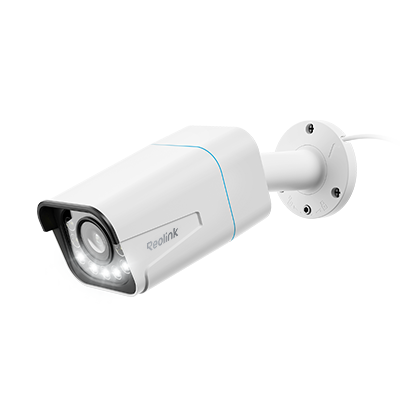
4K Smart PoE Camera with 5 Spotlights
4K 8MP Ultra HD Day & Night, Person/Vehicle Alerts, 5X Optical Zoom, Two-Way Audio, Built-in Siren, Color Night Vision, Live View Anywhere.
Reolink Duo 3 PoE: Best for Wide Parking and Driveway Coverage
The Reolink Duo 3 PoE is better suited to wide driveways, parking areas, and storefronts where broad coverage matters more than close-up identification. Its dual-lens design provides a 180° panoramic view, helping monitor multiple vehicles or a wider entrance from one mounting position.
Like other Reolink consumer security cameras, it is intended for general surveillance and does not provide built-in ALPR or searchable license plate recognition.
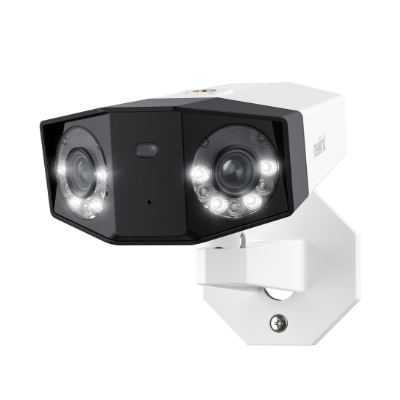
Groundbreaking 16MP Dual-Lens PoE Camera
16MP UHD, Dual-Lens, Motion Track, 180° Wide Viewing Angle, Power over Ethernet, Color Night Vision.
Can You Prevent a License Plate Reader From Tracking Your Car?
You generally cannot prevent a camera from seeing a legally displayed license plate when driving through a monitored area. Covering, altering, hiding, or blocking a plate may violate some local traffic laws. Privacy options depend on local rules for data access, storage, use, and sharing.
Some places may offer complaint processes or ways to request certain stored records. These lawful options address data use without interfering with cameras or required plates.
FAQs
Can a License Plate Reader Tell Who Is Driving?
ALPR identifies a plate/vehicle sighting, not the identity of the driver. Authorized users may connect plates with registration records when laws permit database access.
Do License Plate Readers Track Cars Continuously?
No, plate readers usually record cars only when cameras detect their license plates. Several sightings may show travel patterns across many places covered by connected cameras. ALPR tracks separate vehicle sightings, while GPS can track an ongoing vehicle location.
Can License Plate Readers See Your Address?
The camera itself does not read a home address from a license plate. Authorized agencies may separately access registration records tied to a registered vehicle owner. That access depends on legal authority, agency policy, and available registration database records.
Can Police Search Your License Plate History?
Police may search stored ALPR records their agency or connected system permits accessing. Available history depends on retention periods, agency rules, sharing policies, and applicable law. Longer retention may give authorized users more access to past recorded camera sightings.
Conclusion
License plate readers can track where a vehicle has been seen, but they generally do not provide continuous GPS-style tracking. ALPR systems record plate numbers together with time and location data, and multiple sightings can create a vehicle travel history. ALPR tracks vehicle sightings, while GPS tracks the continuous or near-continuous location of vehicles.
How that information is used, stored, and shared depends on the system and applicable privacy laws.
Search
Subscribe for the Latest Updates
Security insights & offers right into your inbox