
2700K vs 3000K Lighting: Discovering the difference
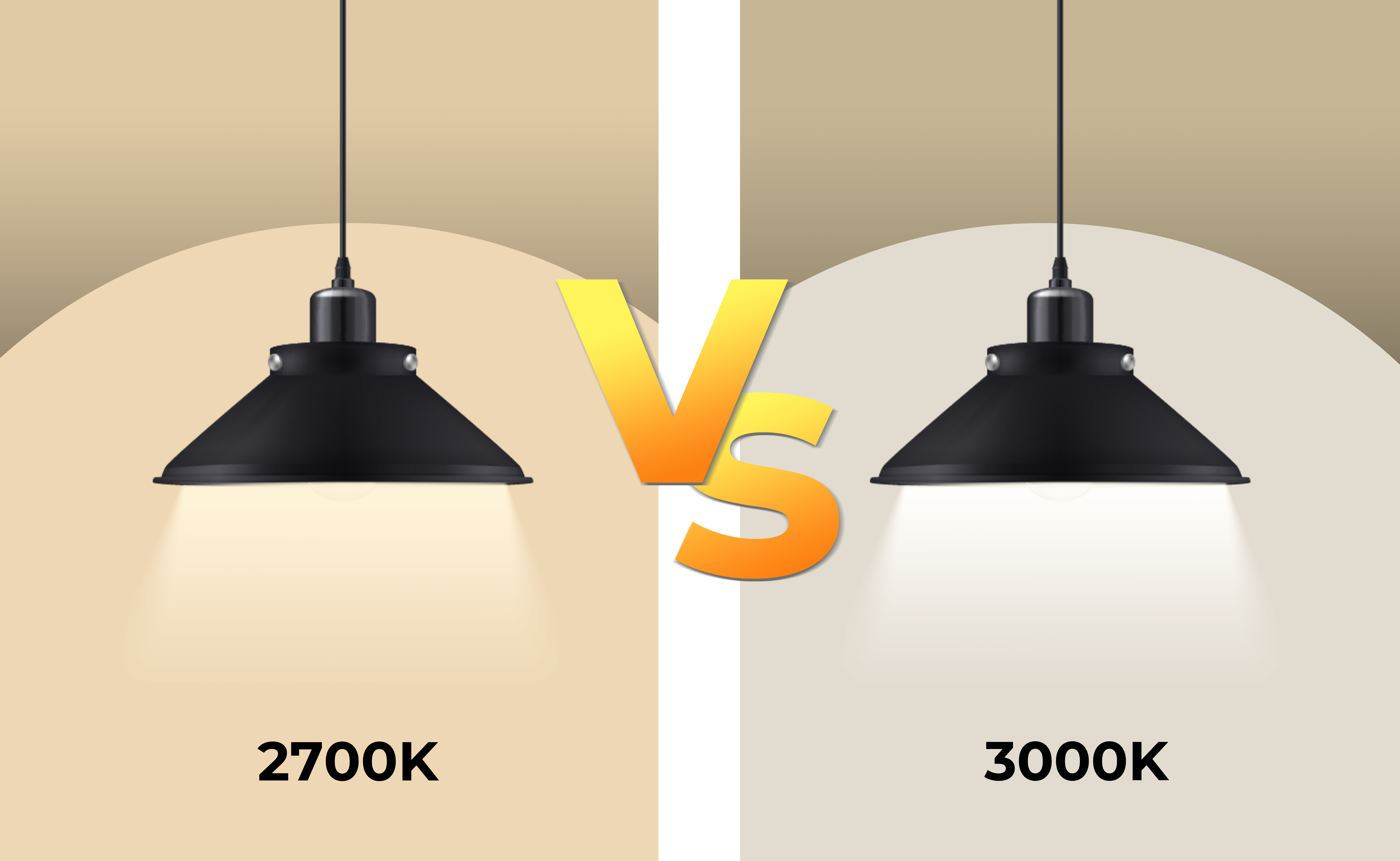
When it comes to choosing the right lighting for your space, even the subtlest differences can have a significant impact. One such consideration is the color temperature of your light bulbs. Among the myriad options available, two of the most commonly encountered are 2700K and 3000K lights. While they may seem similar at first glance, each hue brings its own unique ambiance to your environment.
In this article, we'll explore the distinction between 2700K vs 3000K lights, helping you make informed decisions about illuminating your home or business.
2700K vs. 3000K: What's the Difference?
Color Temperature and Hue
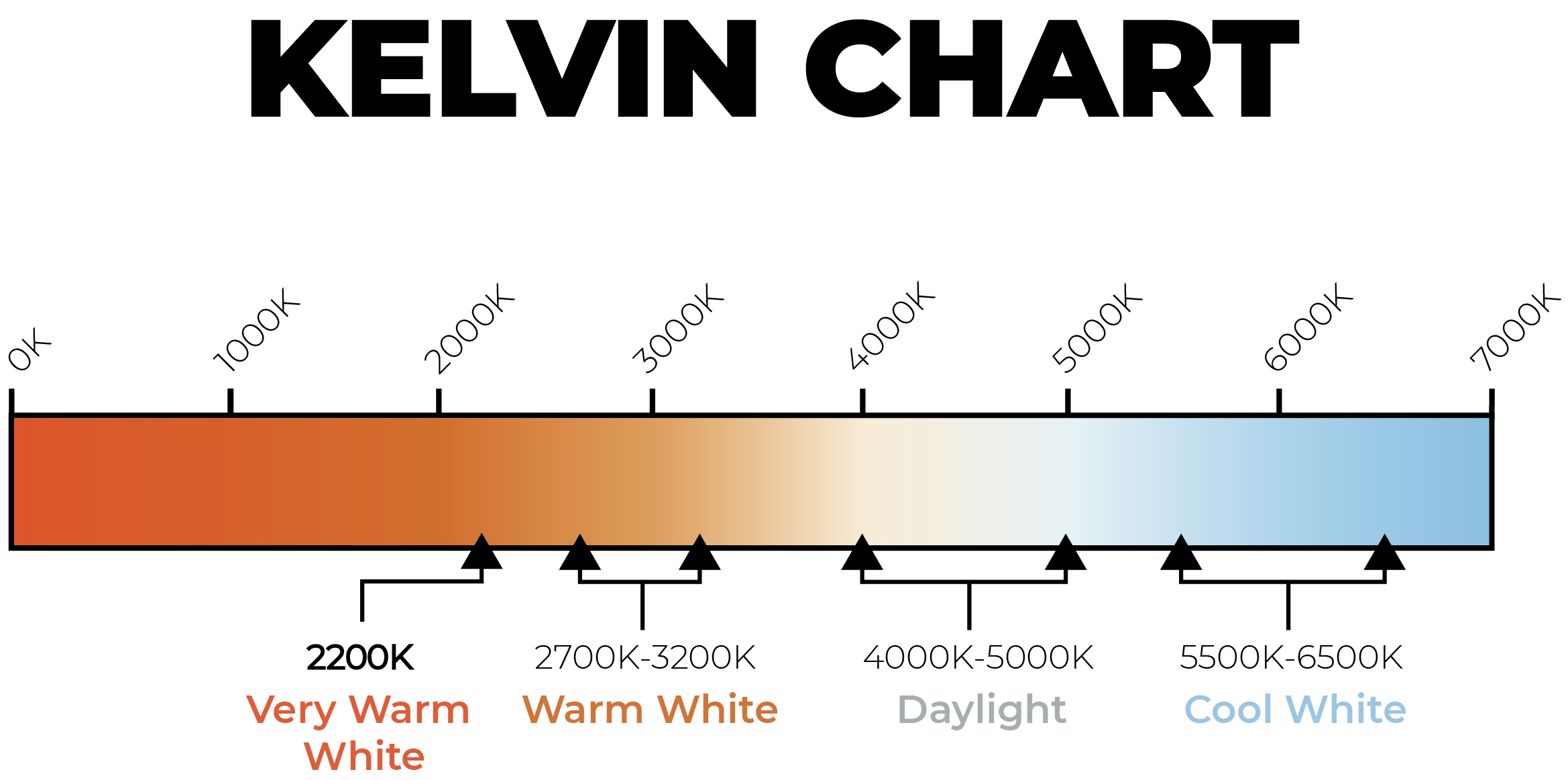
- 2700K: Warm white with a yellowish-orange tint, creating a cozy and inviting atmosphere.
- 3000K: Soft white, slightly cooler and more neutral, producing a brighter and whiter appearance.
- Main difference: 2700K feels warmer and more traditional; 3000K is slightly cooler and more modern.
Common Uses and Applications
- 2700K: Often found in traditional incandescent bulbs, living rooms, bedrooms, and spaces where a relaxed ambiance is desired.
- 3000K: Popular for kitchens, bathrooms, offices, and areas where brighter, neutral light is preferred.
- Main difference: 2700K enhances cozy, intimate spaces; 3000K works better for functional and general-purpose lighting.
Atmosphere and Mood
- 2700K: Creates a warmer, softer glow that makes spaces feel intimate and relaxing.
- 3000K: Produces a softer white light that feels cleaner, slightly more energetic, and less yellow.
- Main difference: 2700K = warm and cozy; 3000K = neutral and modern.
Color Rendering Index (CRI)
- 2700K: Slightly lower CRI, so colors may appear warmer and less vibrant compared to natural light.
- 3000K: Usually higher CRI, allowing colors to appear more accurate and natural.
- Main difference: 3000K tends to better represent true colors, while 2700K emphasizes warmth over accuracy.
Comparison Table
2700K vs 3000K: Pros and Cons
2700K (Warm White)
Pros:
- Creates a cozy, relaxing atmosphere — ideal for bedrooms and living rooms.
- Provides soft, flattering light that enhances warm tones in furniture and decor.
- Reduces eye strain in low-light settings.
- Excellent for ambient or decorative lighting.
Cons:
- Slightly yellowish hue can distort true colors.
- May not be ideal for task-oriented spaces like bathrooms or offices.
- Can feel too dim or relaxing for active areas.
3000K (Soft White)
Pros:
- Produces a cleaner, brighter light suitable for functional spaces.
- Higher CRI usually means colors appear more accurate and natural.
- Good for kitchens, bathrooms, and offices where detail matters.
- Balances warmth and neutrality for versatile use throughout the home.
Cons:
- Slightly cooler tone may feel less cozy in relaxation spaces.
- Less flattering for warm-colored furniture or decor.
- Can feel too bright or harsh if overused in intimate settings.
3000K vs. 2700K: Which to Choose?
Choosing between 2700K (warm white) and 3000K (soft white) depends on the room’s purpose, mood, and decor. Here’s how to decide the best light for every space in your home.
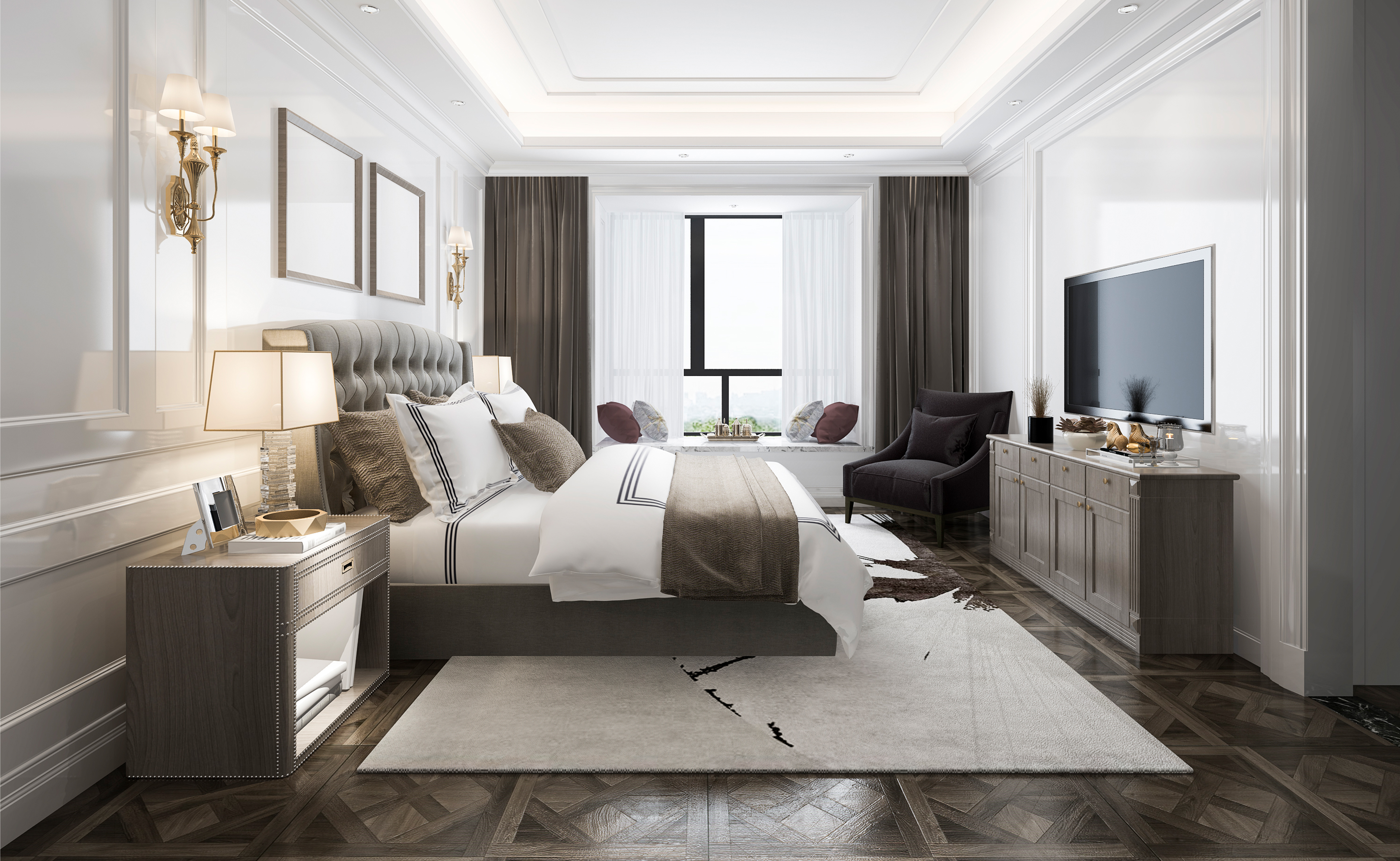
Bedroom: Cozy and Relaxing
Best choice: 2700K (warm white)
- Creates a cozy, relaxing atmosphere ideal for winding down.
- Perfect for bedrooms primarily used for sleep and relaxation.
- Caution: If your bedroom doubles as a home office or reading space, 2700K may reduce productivity; 3000K provides a slightly brighter, more neutral light.
- Recommendation: 2700K for relaxation, 3000K for functional activities.
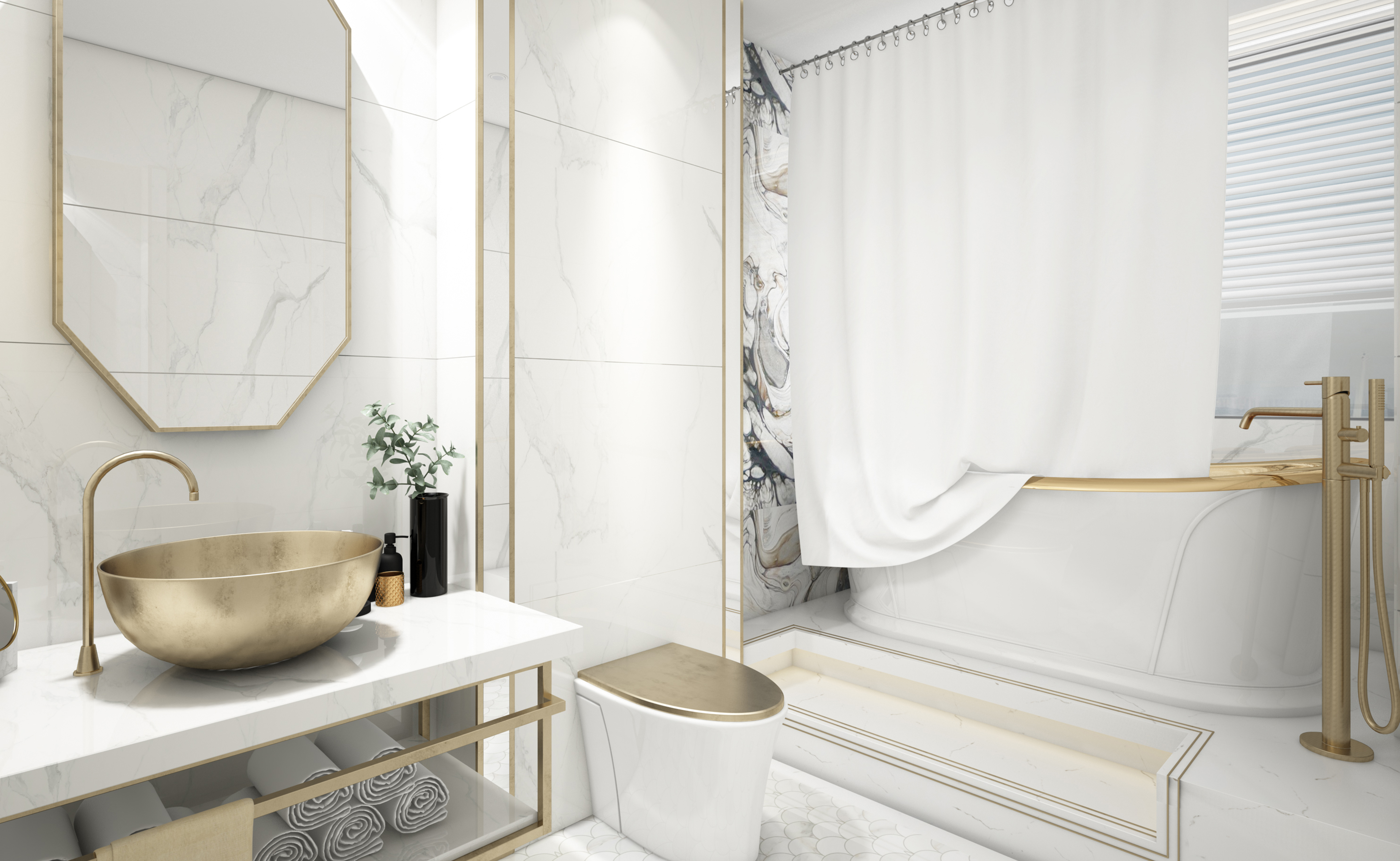
Bathroom: Bright and Natural
Best choice: 3000K (soft white)
- Produces a clean, crisp tone for natural appearance.
- Ideal for mirror work, grooming, and applying makeup.
- 2700K can dull lighter surfaces, while 3000K enhances brightness.
- Recommendation: Use 3000K to reflect true colors and provide functional lighting.
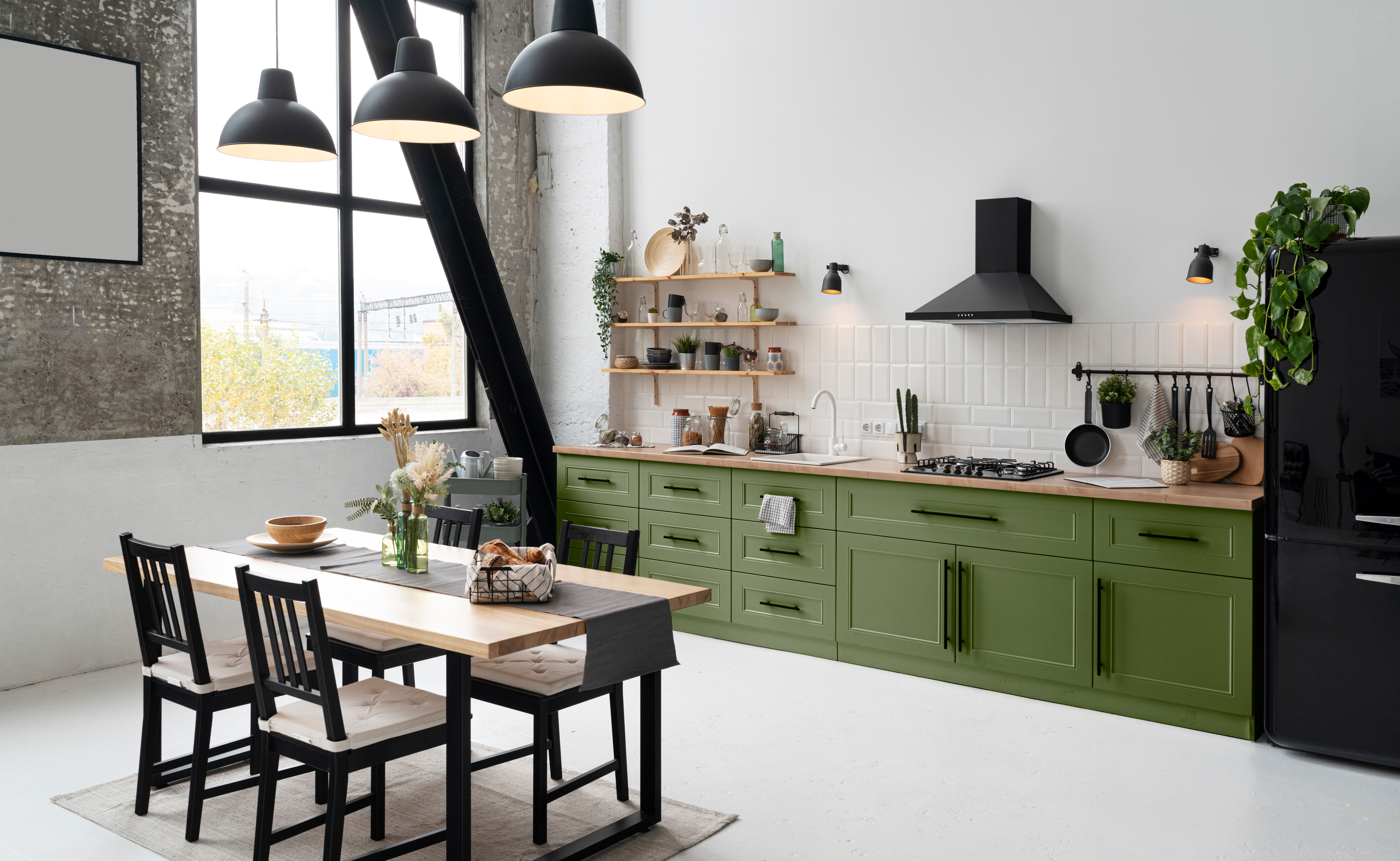
Kitchen: Task-Oriented or Cozy
Best choice: Depends on activity and decor
- 3000K: Best for active kitchens, where bright, task-oriented lighting is needed.
- 2700K: Works in kitchens with relaxing, slower-paced environments.
- Consider decor:
- Dark wood cabinets → brighter 3000K enhances richness.
- Light, contemporary colors → 2700K creates warm ambiance.
- Recommendation: Choose 2700K for mood, 3000K for functional tasks.
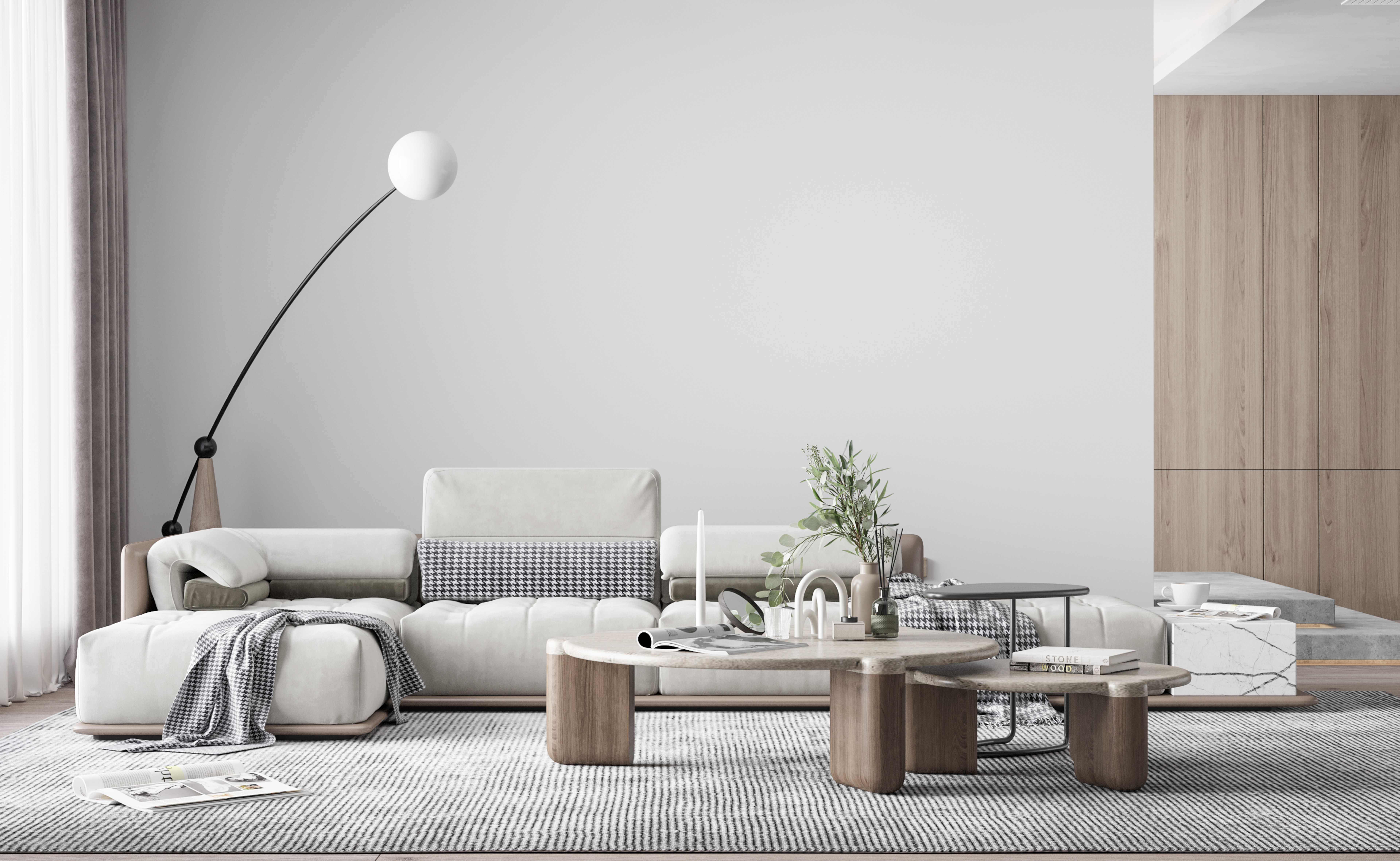
Living Room: Flexible Ambiance
Best choice: Mix of 2700K and 3000K
- 2700K: Warm, relaxing light for lounging and evening TV.
- 3000K: Brighter light for social gatherings or active spaces.
- Consider natural light:
- Rooms with lots of sunlight may only need supplemental 2700K at night.
- Shaded rooms → 3000K can help brighten the space.
- Recommendation: Use adjustable fixtures to switch between warm and soft white.
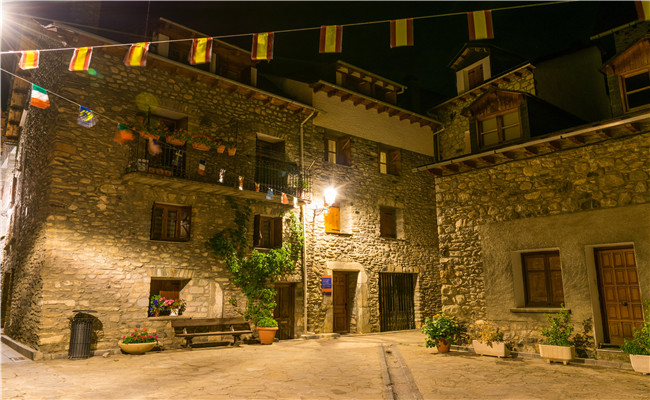
Landscape Lighting: Outdoor Ambiance
Best choice: Personal preference, usually warmer
- Outdoor spaces require less harsh lighting.
- 2700K: Creates warm, inviting pathways and uplighting.
- 3000K: Works for modern homes or brightly colored exteriors.
- Recommendation: 2700K for cozy ambiance, 3000K for contemporary, brighter look.
2700K vs. 3000K Lighting for Security Cameras
Choosing the right color temperature for your security cameras can impact visibility, image quality, and overall safety.
2700K (Warm White) for Security Cameras
Best for: Creating a softer, ambient security glow.
- Pros:
- Reduces glare and harsh shadows for a more pleasant visual environment.
- Creates a welcoming outdoor ambiance without overly bright lighting.
- Useful for residential areas where neighbors and aesthetics matter.
- Cons:
- Slightly lower illumination, which can affect night-time camera clarity.
- Colors and details in video footage may appear warmer or slightly muted.
Use Case: Pathways, patios, and outdoor seating areas where a softer light is sufficient but safety is still important.
3000K (Soft White) for Security Cameras
Best for: Functional, task-oriented lighting for security and monitoring.
- Pros:
- Brighter, clearer light improves visibility for motion detection.
- Helps cameras capture more accurate colors and finer details at night.
- Ideal for driveways, garages, entrances, and high-traffic areas.
- Cons:
- Slightly cooler tone may feel less cozy than 2700K.
- Can be too bright for decorative or ambient outdoor spaces.
Use Case: Entryways, driveways, and areas where detailed monitoring and high visibility are priorities.
Reolink Floodlight Camera with Adjustable Lighting
The Reolink Floodlight Camera allows you to switch between 2700K and 3000K depending on your security needs:
- Adjustable Brightness & Color Temperature: Optimize both ambiance and visibility.
- Motion-Activated Lighting: Lights turn on only when needed, saving energy while maintaining safety.
- Enhanced Camera Performance: Brighter 3000K lighting improves night-time recording clarity, while 2700K maintains soft, welcoming illumination.
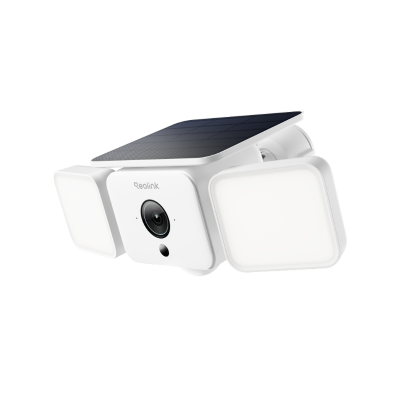
Smart 2K Solar Floodlight Security Camera
150° Ultra-Wide View, 2K 4MP HD Resolution, AI-Based Adaptive Floodlight, Endless Power with Reolink SolarEase™.
FAQs
Is 2700K light too yellow?
2700K light is warm white with a yellowish glow, creating a cozy and relaxing atmosphere. It is perfect for bedrooms, living rooms, or outdoor areas, but may feel too yellow in task-oriented spaces like kitchens or offices.
Is there a big difference between 3000K and 2700K?
The difference is noticeable but subtle. 2700K feels warmer and more relaxing, while 3000K is slightly cooler and brighter, making it better for visibility and accurate color rendering. Adjustable lighting, like the Reolink Floodlight Camera, lets you switch between both for mood or tasks.
Is 2700K too warm for a kitchen?
2700K can create a cozy ambiance in kitchens, but 3000K is usually better for task lighting on counters and islands. Many kitchens combine both, using 2700K for atmosphere and 3000K for functionality.
Conclusion
When it comes to a common scale for color temperatures, you’re going to find 2700K and 3000K are the most widely used. The biggest difference between them is in the hue of the light, with 2700K delivering a more yellow tone and 3000K offering a purer white light. Knowing the difference can help you choose the right color temperature for your home.
Do you know the color temperature of the bulbs you use in your home? Do you favor 2700K or 3000K bulbs? Can you tell the difference between them? Let us know your thoughts and experiences below!
Search
Subscribe for the Latest Updates
Security insights & offers right into your inbox