
Color Night Vision Security Camera: Complete Buying Guide

Night vision security cameras with full colour are one of the most common night vision surveillance cameras. Unlike black-and-white cameras, full-colour night vision security cameras provide true colour images and videos even in low lighting conditions, so you can easily identify details, such as faces and license plates.
Here are some things you should know about how full color night vision surveillance cameras work, how they compare to regular night vision security cameras, and more.
Key Takeaways:
- Color night vision cameras capture color footage in low-light conditions, making it easier to identify people, vehicles, and other details at night.
- Low-light full-color cameras rely on ambient light, while spotlight-assisted cameras can capture color footage in complete darkness.
- When choosing a camera, consider resolution, sensor size, aperture, and lighting conditions to ensure clear nighttime footage.
What Is a Color Night Vision Security Camera?
A color night vision security camera captures color images and videos in low-light conditions by using sensitive image sensors and wide apertures to collect more available light or built-in spotlights to illuminate dark areas. Unlike traditional infrared cameras that produce black-and-white footage at night, color night vision cameras help identify details such as clothing colors, vehicles, and surroundings.
There are two main types of color night vision security cameras:
- Low-Light Full-Color Cameras: Use large image sensors and wide apertures to capture more available light, producing color footage without relying on spotlights when sufficient ambient light is present.
- Spotlight Color Night Vision Cameras: Use built-in spotlights to illuminate dark areas, allowing cameras to capture color footage even in complete darkness.
Note: Reolink also applies low-light full-color night vision technology through its ColorX series, which uses a large 1/1.8-inch image sensor and an F1.0 aperture to capture more available light and deliver color footage in low-light conditions without relying on spotlights.
Low-Light vs. Spotlight Color Night Vision: What's the Difference?
Low-light color night vision uses available ambient light to capture color footage, while spotlight-assisted color night vision relies on built-in lights to illuminate dark areas. The main difference is how each technology performs under different lighting conditions.
How to Choose the Best Color Night Vision Security Camera?
When choosing a color night vision security camera, pay attention to resolution, sensor size, aperture, lighting requirements, and viewing angle. These specifications help you determine whether a camera can capture the details you need at night.
Video Resolution
Resolution determines how much detail a security camera can capture. Higher-resolution security cameras, such as 4K 8MP, 12MP, and 16MP models, can provide sharper images and more detail, making it easier to examine people, vehicles, and other objects. However, higher resolution does not always mean better color night vision. Image sensor quality, aperture, and lighting conditions also affect nighttime image clarity.
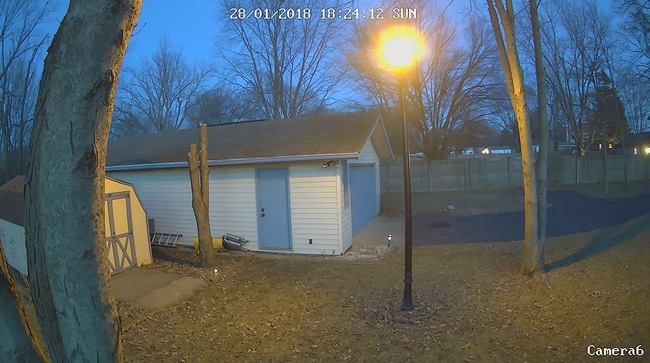
Image Sensor Size and Aperture
A larger image sensor and wider aperture help cameras collect more light in low-light environments. For example, a 1/1.8-inch sensor generally offers greater light-gathering potential than a 1/2.7-inch sensor when other conditions are comparable. An F1.0 aperture also allows approximately four times as much light through as an F2.0 aperture, assuming comparable lens conditions.
For gardens and driveways with limited outdoor lighting, cameras with larger sensors and wider apertures are worth considering, especially if you want color footage without leaving a spotlight on.
Night Vision Range and Lighting Requirements
Check how far the camera can record at night and what lighting it needs. Manufacturers may list night vision ranges of 10m (33ft), 20m (66ft), or 30m (100ft), but these figures do not necessarily represent the distance at which color details remain visible.
Starlight and ColorX cameras use available light to produce color footage, while spotlight-assisted cameras provide their own illumination. If your driveway has a streetlight nearby, a low-light full-color camera may be sufficient. For a backyard with no lighting, a spotlight-assisted model may be more suitable.
Field of View and Coverage
The field of view determines how much of an area appears in the camera's image. A 90° camera can cover a front entrance or narrow driveway, while a 145° or 180° model is better suited to wider areas such as front gardens and backyards.
Keep in mind that a wider view spreads the available pixels across a larger scene. If you need to see details at the far end of a driveway, a narrower view or higher resolution may be more useful than panoramic coverage.
Check Real Night Vision Footage and Reviews
Nighttime video samples can tell you more than resolution and night vision range alone. Look at whether moving people appear blurred, whether vehicle colors remain visible, and how much detail the camera captures at the edge of its viewing area.
You can find user-submitted footage through the Reolink Captures Program. When comparing samples, pay attention to the lighting conditions, since footage recorded under a streetlight may look very different from footage taken in an unlit garden.
You can also check independent reviews for nighttime footage and information about how the camera performs in everyday use.
Best Reolink Color Night Vision Security Cameras
Reolink offers color night vision cameras with different lighting technologies, including built-in spotlights, floodlights, and ColorX. The following three models are designed for different nighttime monitoring scenarios.
Best for Front Doors and Garages: Reolink RLC-1240A
The Reolink RLC-1240A is a 12MP PoE security camera with a 145° diagonal field of view, making it suitable for monitoring front doors, garage entrances, and other areas where a fixed camera can provide continuous coverage.
Its built-in spotlight enables color recording when additional lighting is needed, helping capture details such as clothing colors and vehicles arriving at night. The camera also supports infrared night vision when you prefer not to use visible lighting. With 24/7 recording support, it is well suited to entrances that need monitoring throughout the night.
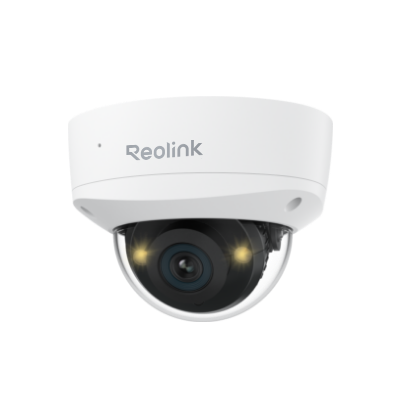
12MP IK10 Vandal Proof Wide FOV Security Camera
12MP UHD with 145° FOV, Color Night Vision, IK10 Vandal-Proof, Two-Way Audio.
Best for Large Driveways and Backyards: Reolink TrackFlex Floodlight WiFi
The Reolink TrackFlex Floodlight WiFicombines a 3000-lumen floodlight with a dual-lens camera, making it suitable for large driveways, backyards, and outdoor parking areas with little or no existing lighting.
Its adjustable floodlights illuminate the surrounding area while the camera records color footage at night. The 355° pan, 50° tilt, and automatic tracking allow it to follow people or vehicles moving across the property. This makes it particularly useful for monitoring long driveways or backyards where activity may occur in different directions.
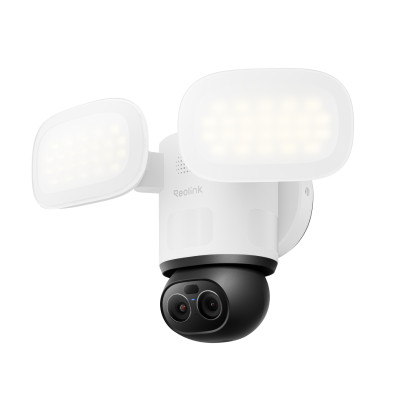
Smart 4K 360° Coverage Wi-Fi Floodlight Security Camera
Local AI Video Search, 4K 8MP Ultra HD, 360° Coverage View, 6X Hybrid Zoom, Dual-Color Floodlight.
Best for Wide Outdoor Areas Without Additional Lighting: Reolink Argus 4 Pro (ColorX)
The Reolink Argus 4 Pro is a battery-powered 4K 8MP security camera with a 180° panoramic field of view. Its ColorX technology captures full-color footage using available ambient light without relying on spotlights.
It is suitable for front gardens, wide driveways, and areas near neighbouring properties where bright security lights may cause disturbance. Its battery-powered design and optional solar charging also make it convenient for locations without nearby power outlets. However, some ambient light is still required for full-color recording.
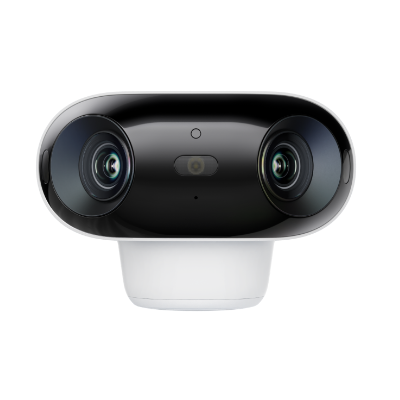
4k 180° Wire-free Color Night Vision Camera
4K UHD 180° Blindspot-free View; Color Vision Day and Night; 30% More Battery Life; Dual-band Wi-Fi 6; Smart detection.
How to Set Up Color Night Vision on Reolink Cameras
You can configure color night vision through the Reolink App. The available settings depend on your camera model and night vision technology.
Step 1: Open the Day and Night Settings
Launch the Reolink App, select your camera, and go to Device Settings > Display > Day and Night. On compatible cameras with infrared lights, you can choose Color, Black & White, or Auto mode.
Step 2: Select Color Mode
Choose Color to keep the camera displaying color footage when sufficient visible light is available. Alternatively, select Auto to let the camera switch between color and black-and-white images based on lighting conditions.
For detailed instructions, see How to Change Day and Night Mode via Reolink App.
Step 3: Configure the Spotlight
For compatible spotlight-assisted cameras, open Device Settings > Light > Spotlight. Select a lighting mode, such as Night Smart Mode, and adjust the brightness if supported. The spotlight can illuminate dark areas to help the camera capture color footage.
For model-specific instructions, see How to Configure Spotlight Settings for Your Camera.
Step 4: Adjust ColorX Settings (If Applicable)
Reolink ColorX cameras use available ambient light for color recording. If your model has a configurable spotlight, select an appropriate lighting mode based on your monitoring needs. Available modes differ between plug-in and battery-powered ColorX cameras.
See Introduction to the Spotlight of Reolink ColorX Series for the supported modes and instructions.
Step 5: Check the Nighttime Live View
Open the live view after dark to check image brightness and color. Adjust the spotlight settings or surrounding lighting if necessary.
Note: The Day and Night settings described above apply to compatible infrared cameras. ColorX models have different night vision and spotlight controls, so refer to the instructions for your specific camera.
FAQs
Is Color Night Vision Worth It?
Yes, color night vision is worth it if you want to identify details such as clothing colors, vehicle colors, and objects at night. It is particularly useful for monitoring front doors, driveways, and parking areas. However, infrared night vision may be more suitable for locations where visible lighting is undesirable.
What Are the Best 4K Security Cameras with Color Night Vision?
The Reolink Argus 4 Pro is a good option for wide outdoor areas, offering 4K resolution, 180° panoramic coverage, and ColorX technology for full-color footage in low-light conditions without spotlights. The Reolink TrackFlex Floodlight WiFi is another option for large driveways and backyards, combining 4K resolution with a 3000-lumen floodlight for nighttime illumination.
What Color Light Is Best for a Night Vision Camera?
White light is generally best for capturing natural color footage at night, as it provides broad-spectrum illumination that helps cameras reproduce colors more accurately. Warm white light, typically around 2700K–3000K, can also provide effective illumination with a softer appearance. Infrared light is better suited to black-and-white night vision rather than full-color recording.
Conclusion
Color night vision security cameras offer significant advantages in capturing true color images and videos even in low-light conditions. They provide enhanced clarity and detail, enabling easy identification of important features such as faces and license plates.
Compared to regular night vision cameras that typically provide black-and-white images, color night vision cameras provide a more realistic and comprehensive surveillance experience. Understanding how night vision cameras work and their capabilities can assist in making informed decisions when choosing the right night vision security camera for your needs.
Still have any questions about the color night vision security cameras? We’ve always been here to welcome all your ideas, questions or anything you’d like to share!
Search
Subscribe for the Latest Updates
Security insights & offers right into your inbox